
Commercial HVAC Energy Efficiency Tips for Office Buildings
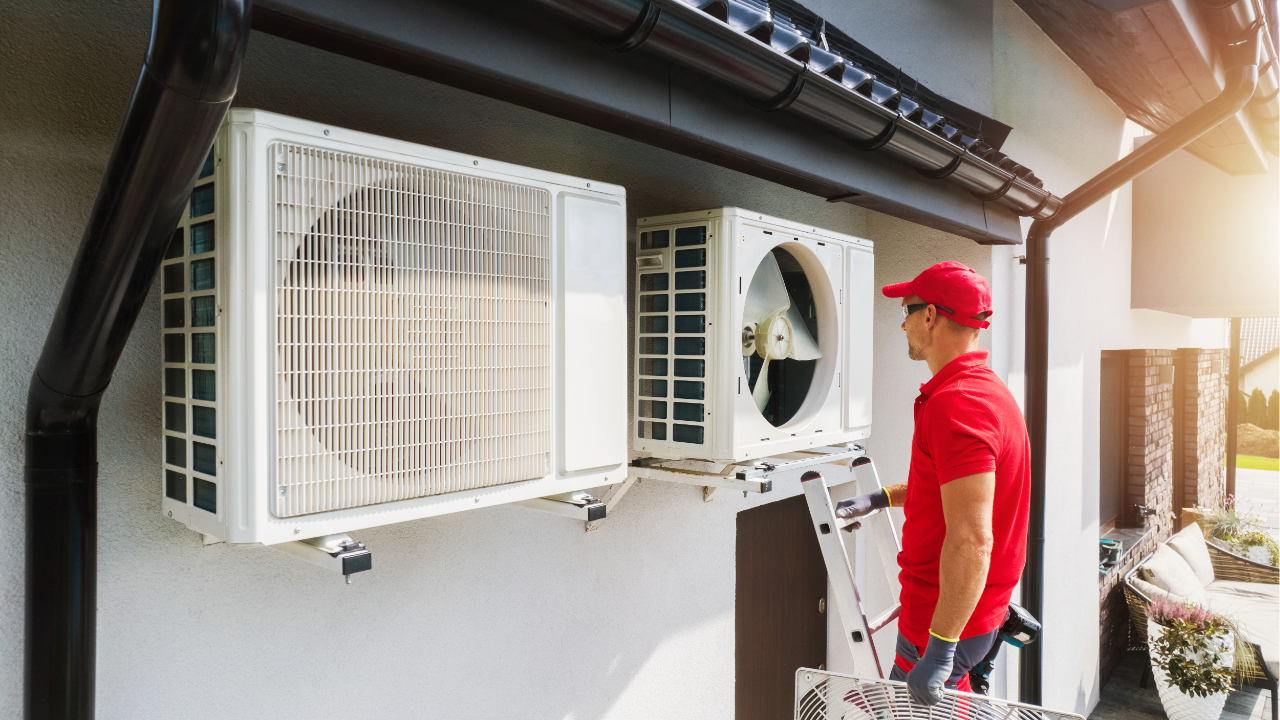
Managing an office building comes with constant pressure to control operating costs while keeping employees and tenants comfortable. One area that often has the biggest impact on both comfort and monthly expenses is the HVAC system. In many commercial properties, heating and cooling systems run for long hours every day, which means even small inefficiencies can lead to higher utility bills, unnecessary repairs, and avoidable downtime.
For office buildings, improving HVAC energy efficiency is not only about lowering energy costs. It also helps maintain consistent indoor temperatures, supports better indoor air quality, and reduces strain on commercial equipment over time.
According to Elite Quality HVAC, commercial HVAC systems and preventive maintenance programs play an important role in helping businesses maintain reliable performance and avoid interruptions that affect daily operations.
Schedule Preventive HVAC Maintenance Consistently
One of the most effective ways to improve energy efficiency in an office building is regular preventive maintenance. Commercial HVAC systems work continuously throughout the year, especially in busy office environments where comfort expectations remain high during every season.
The company’s preventive maintenance programs emphasize the importance of identifying issues early before they become larger and more expensive problems.
When maintenance is delayed, HVAC systems often work harder than necessary. Dirty filters, clogged coils, worn components, and airflow restrictions can all increase energy consumption.
Routine inspections and servicing can help office buildings:
Improve system performance
Reduce unnecessary energy usage
Minimize unexpected breakdowns
Extend equipment lifespan
Maintain more consistent indoor comfort
Preventive maintenance also allows technicians to catch smaller issues before they disrupt business operations. Businesses can also explore helpful insights through the company’s commercial HVAC blog, which covers common performance and maintenance concerns.
Replace Dirty Air Filters Regularly
Air filters may seem like a small component, but they directly affect HVAC efficiency in commercial office buildings.
When filters become clogged with dust and debris, airflow becomes restricted. The HVAC system must then use more energy to circulate air throughout the building. This added strain can reduce efficiency and place unnecessary wear on equipment.
Office buildings with high occupancy levels may require more frequent filter changes because of increased indoor air circulation demands.
Clean filters help support:
Better airflow
Improved indoor air quality
Reduced strain on HVAC equipment
More balanced temperatures throughout the building
Consistent filter replacement is one of the simplest ways to support energy-efficient HVAC performance.
Use Programmable or Smart Thermostat Controls
Temperature control has a major influence on commercial HVAC energy use. Office buildings that rely on outdated manual thermostat adjustments often experience unnecessary heating or cooling during unoccupied hours.
Modern programmable controls help building managers create more efficient temperature schedules based on occupancy patterns.
For example:
Cooling can be reduced after office hours
Weekend energy usage can be minimized
Different zones can maintain separate temperature settings
This approach helps reduce wasted energy without sacrificing comfort during working hours.
Many office buildings also benefit from zoning strategies that prevent unused conference rooms, storage areas, or low-traffic spaces from receiving unnecessary conditioning.
Keep Commercial Refrigeration and HVAC Systems Working Together Efficiently
In office buildings that include cafeterias, breakrooms, restaurants, or food service areas, refrigeration systems can also affect overall energy efficiency.
Professional commercial refrigeration services can help businesses maintain temperature-sensitive equipment while reducing unnecessary strain on surrounding HVAC systems.
Poorly maintained refrigeration equipment can generate excess heat, forcing nearby HVAC systems to work harder to maintain indoor temperatures.
Efficient coordination between refrigeration and HVAC systems can help:
Reduce unnecessary cooling loads
Improve indoor comfort
Support more stable operating temperatures
Lower overall energy consumption
Businesses managing kitchen or refrigeration equipment may also benefit from reading related industry resources such as common commercial refrigeration problems restaurants face and top causes of walk-in cooler failure in commercial kitchens.
Inspect and Seal Air Leaks
Office buildings lose significant amounts of conditioned air through leaks around windows, doors, ductwork, and poorly insulated areas.
When cooled or heated air escapes, HVAC systems must operate longer to maintain target temperatures. This directly increases energy usage.
Common areas to inspect include:
Entry doors
Window seals
Roof penetrations
Duct connections
Utility access points
Improving insulation and sealing leaks can help maintain indoor temperatures more effectively while reducing the workload placed on commercial HVAC equipment.
Maintain Proper Airflow Throughout the Building
Balanced airflow is critical for commercial HVAC efficiency. Inconsistent airflow often causes temperature complaints, hot and cold spots, and overworked equipment.
Blocked vents, obstructed returns, and poor airflow distribution can reduce system performance.
Office managers should regularly ensure that:
Air vents remain unobstructed
Furniture does not block airflow
Return vents are clear
HVAC components are professionally inspected
When airflow remains balanced, HVAC systems can distribute conditioned air more efficiently throughout the building.
Upgrade Aging Commercial HVAC Equipment When Necessary
Older HVAC systems generally require more energy to maintain the same level of performance compared to newer equipment.
As commercial systems age, components naturally experience wear that affects efficiency. Frequent repairs, inconsistent temperatures, and rising utility costs can all signal declining system performance.
Professional commercial HVAC services can help businesses evaluate whether repairs or upgrades are the better long-term solution for their building.
Newer commercial HVAC systems may offer:
Improved energy efficiency
Better temperature control
More consistent airflow
Reduced operational strain
Lower long-term operating costs
Businesses experiencing repeated performance issues may also find value in reading 7 signs your commercial HVAC system needs immediate repair.
Monitor Indoor Humidity Levels
Humidity control is often overlooked in office buildings, but it plays a major role in HVAC efficiency and occupant comfort.
High humidity levels can make indoor spaces feel warmer than they actually are, causing occupants to lower thermostat settings and increase cooling demand.
Maintaining balanced humidity helps office environments feel more comfortable while supporting more efficient HVAC operation.
Proper humidity control may also support:
Better indoor air quality
Reduced moisture-related concerns
Improved employee comfort
More stable indoor conditions
Commercial HVAC systems should be inspected regularly to ensure humidity management components are operating correctly.
Reduce Heat Gain Inside the Office Building
Office buildings generate significant internal heat from lighting, computers, office equipment, and occupancy.
Reducing excess heat inside the building can help lower HVAC cooling demands.
Simple strategies include:
Using energy-efficient lighting
Limiting unnecessary equipment usage
Closing blinds during peak sunlight hours
Managing heat-producing equipment areas carefully
These adjustments help reduce the cooling load placed on the HVAC system during warmer months.
Keep Rooftop HVAC Units Clean and Accessible
Many office buildings rely on rooftop HVAC systems for commercial heating and cooling.
Outdoor debris, dirt buildup, and restricted airflow around rooftop units can negatively affect performance and energy efficiency.
Regular inspections help ensure that:
Coils remain clean
Airflow around units is unobstructed
Components operate properly
Debris does not interfere with ventilation
Keeping rooftop units maintained can improve efficiency and reduce the risk of sudden equipment failures.
Pay Attention to Employee Comfort Complaints
Small comfort complaints often reveal larger HVAC efficiency problems before they become expensive repairs.
Examples include:
Rooms that are consistently too warm or too cold
Uneven airflow
Excess humidity
Poor ventilation
Temperature fluctuations throughout the day
Addressing these concerns early can help identify system inefficiencies before they increase energy usage or disrupt productivity.
Office employees spend long hours inside commercial buildings, so maintaining consistent indoor comfort is essential for daily operations.
Improve Energy Efficiency Through Preventive Planning
Many office buildings react to HVAC issues only after a breakdown occurs. Unfortunately, emergency repairs often cost more and create operational disruptions.
Preventive planning helps building owners stay ahead of efficiency problems.
A proactive maintenance strategy can help businesses:
Reduce surprise repair costs
Improve equipment reliability
Maintain energy-efficient performance
Support longer system life
Avoid unnecessary downtime
This approach is especially important for commercial properties with large HVAC systems that operate daily under heavy demand.
Business owners can also learn more about long-term savings by reviewing why preventive HVAC maintenance saves businesses thousands and how often commercial HVAC systems should be serviced.
Commercial Refrigeration Maintenance Also Supports Efficiency
Office campuses, mixed-use buildings, and commercial properties with food storage or kitchen operations should not overlook refrigeration maintenance.
Commercial refrigeration systems that struggle to maintain temperatures often consume more energy while producing additional heat around surrounding areas.
Regular refrigeration maintenance can help:
Improve cooling performance
Reduce strain on HVAC systems nearby
Support food safety requirements
Lower operational interruptions
Combining refrigeration maintenance with HVAC preventive care creates a more complete energy management strategy for commercial buildings.
Why Energy Efficiency Matters for Office Buildings
Commercial HVAC efficiency directly affects operational costs, employee comfort, and long-term equipment performance.
Office buildings with inefficient HVAC systems often experience:
Rising utility expenses
Increased repair frequency
Uneven temperatures
Reduced indoor comfort
More operational disruptions
Energy-efficient HVAC management helps create a more stable and productive indoor environment while supporting long-term cost control.
Building owners and property managers who invest in preventive maintenance and system performance monitoring often experience fewer unexpected issues throughout the year.
Partner With Experienced Commercial HVAC Professionals
Commercial office buildings require HVAC systems that can reliably support daily business operations. From preventive maintenance to refrigeration support, working with experienced professionals helps businesses maintain consistent performance and energy efficiency.
The company’s about page highlights its focus on commercial HVAC and refrigeration services designed to support businesses and commercial properties. Businesses that also manage residential spaces or mixed-use facilities can explore available home HVAC services for additional support.
For office buildings looking to improve HVAC efficiency, reduce downtime, and maintain reliable comfort, ongoing maintenance and professional service remain some of the most effective long-term solutions.
Businesses can request professional assistance directly through the company’s contact page.
