Best Temperature Settings for Commercial Refrigerators and Freezers
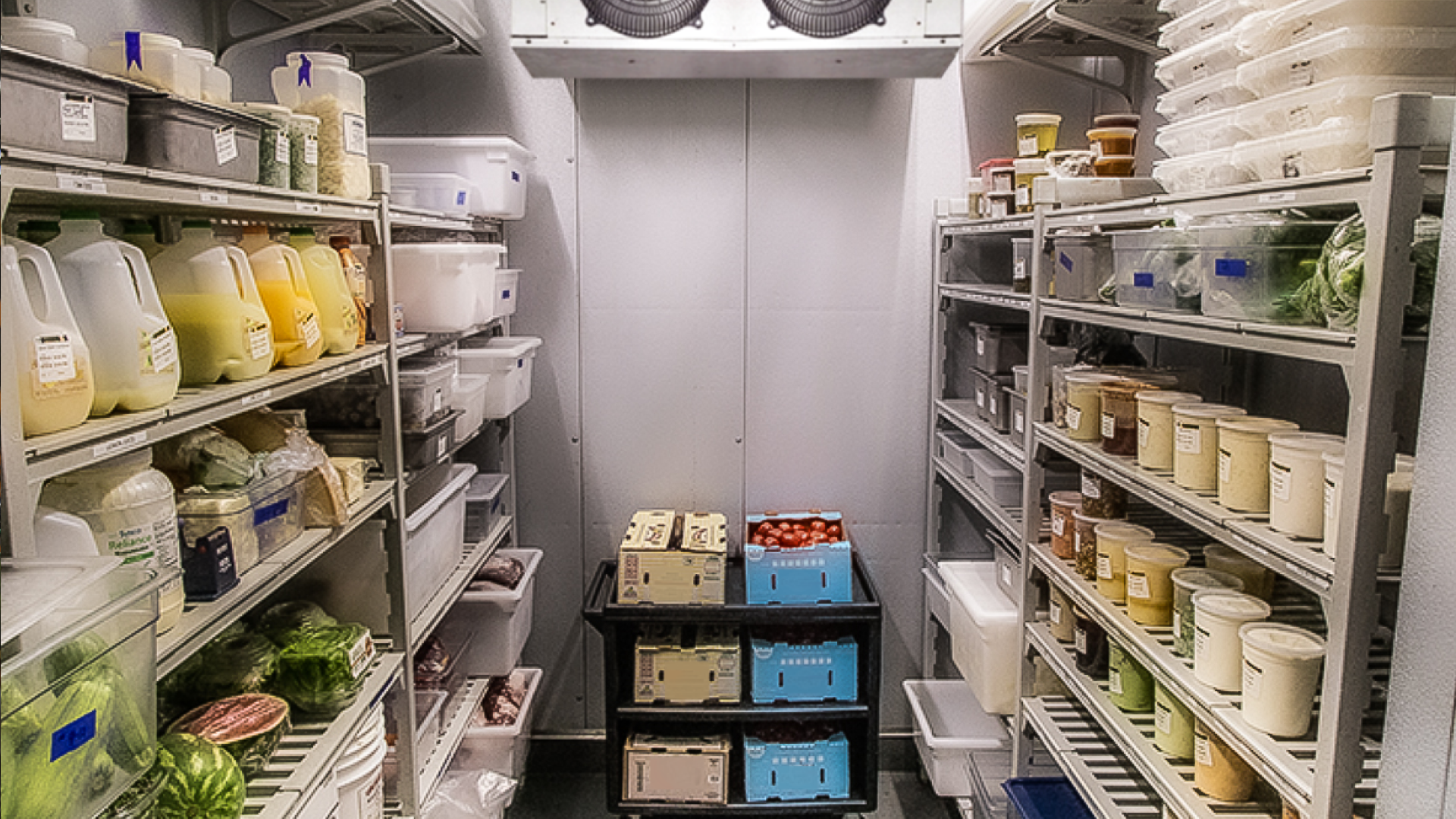
Commercial refrigerators and freezers are essential for restaurants, grocery stores, food businesses, and other commercial operations that depend on reliable refrigeration. Keeping equipment at the right temperature is an important part of maintaining consistent refrigeration performance and supporting daily operations.
However, there is no single temperature setting that applies to every commercial refrigeration system. The appropriate setting depends on the type of equipment, its intended use, the products being stored, and the manufacturer's requirements.
For business owners and managers, understanding the basics of commercial refrigerator and freezer temperature management can help support reliable equipment performance and reduce avoidable refrigeration problems.
Why Commercial Refrigeration Temperature Matters
Temperature directly affects how commercial refrigeration equipment performs.
A refrigerator that is not maintaining the expected temperature may indicate an equipment or maintenance issue. Likewise, a freezer that struggles to maintain its normal operating conditions may require professional attention.
Consistent temperature control helps businesses:
Maintain dependable refrigeration performance
Protect daily operations
Monitor equipment performance
Identify potential refrigeration problems earlier
For businesses that depend on refrigeration every day, maintaining appropriate operating conditions should be part of routine equipment management.
Commercial Refrigerators and Freezers Have Different Requirements
Commercial refrigerators and freezers are designed for different purposes, so their operating temperatures are not identical.
A commercial refrigerator is designed to keep products cold without freezing them, while a commercial freezer is intended to maintain much colder conditions.
Because equipment and storage requirements vary, business owners should follow the manufacturer's recommended operating range for their specific commercial refrigeration equipment rather than relying on a generic setting.
What Is the Right Temperature for a Commercial Refrigerator?
The correct refrigerator temperature depends on the specific unit and the products it is designed to store.
Instead of choosing a temperature based solely on a general recommendation, businesses should consult the equipment manufacturer's specifications and any applicable food handling requirements.
A professional commercial refrigeration technician can also help evaluate whether equipment is operating properly and maintaining the conditions it is designed to provide.
What Is the Right Temperature for a Commercial Freezer?
Commercial freezers operate at lower temperatures than refrigerators because they are designed to keep products frozen.
As with refrigerators, the correct freezer setting depends on the specific equipment and its intended use.
Business owners should refer to the manufacturer's specifications and applicable requirements for their operation.
If a freezer cannot consistently maintain its expected operating temperature, professional service may be necessary.
Avoid Constantly Changing Temperature Settings
Frequent thermostat adjustments may make it harder to determine whether refrigeration equipment is operating normally.
If employees continually change settings because the refrigerator or freezer does not appear to be maintaining the desired temperature, the underlying issue should be investigated.
The problem could involve the refrigeration system itself rather than the temperature setting.
Professional commercial refrigeration service can help identify the actual cause of inconsistent performance.
Check Temperature Consistently
Monitoring refrigeration temperatures is an important part of managing commercial equipment.
Businesses should establish a consistent process for checking and recording temperatures according to their operational requirements.
Regular monitoring can help identify changes in equipment performance before a refrigeration problem becomes more disruptive.
For example, if a refrigerator that normally maintains a stable temperature begins showing unusual fluctuations, that change may warrant further evaluation.
Do Not Overload Commercial Refrigerators
The way refrigeration equipment is used can affect its performance.
Overloading a commercial refrigerator or freezer can make it more difficult for the system to circulate cooled air effectively.
Businesses should follow the equipment manufacturer's guidance regarding storage capacity and organization.
Keeping the interior properly arranged can support more consistent refrigeration performance. Learn more about best practices for maintaining walk-in coolers and freezers to optimize your storage space and airflow.
Keep Refrigerator and Freezer Doors Closed
Frequent door opening allows warm air to enter the equipment.
In busy restaurants and grocery stores, refrigerator and freezer doors may be opened repeatedly throughout the day. Each opening can increase the workload placed on the refrigeration system.
Encouraging employees to keep doors closed when they are not actively retrieving or storing products can help minimize unnecessary temperature changes.
Watch for Changes in Refrigeration Performance
Temperature settings alone do not guarantee proper refrigeration performance.
Business owners and employees should pay attention to changes such as:
Unusual temperature fluctuations
Equipment running longer than normal
Repeated service problems
Difficulty maintaining expected temperatures
Changes in normal equipment operation
These signs may indicate that professional refrigeration service is needed.
Commercial Refrigeration Maintenance Matters
Regular preventive maintenance is an important part of maintaining commercial refrigeration equipment. Discover why commercial refrigeration maintenance matters for food safety and operational success.
Commercial refrigerators and freezers operate regularly and may experience significant demands during busy business hours.
Preventive maintenance helps professionals identify developing concerns and evaluate equipment performance before a problem becomes more disruptive.
Routine maintenance can help:
Support reliable refrigeration operation
Identify potential equipment concerns
Maintain consistent performance
Prepare equipment for ongoing use
For businesses that depend on refrigeration every day, scheduled preventive maintenance programs can be an important part of protecting equipment and supporting normal operations.
Restaurants Have Unique Refrigeration Demands
Restaurants often rely on multiple refrigeration systems while also operating commercial kitchens and commercial HVAC equipment. Understand how commercial refrigeration impacts restaurant operations to keep your kitchen running smoothly.
Refrigeration equipment may be opened frequently during food preparation and busy service periods. At the same time, kitchen activity can create additional heat within the building.
These conditions can place greater demands on commercial refrigeration and HVAC systems.
Regular professional maintenance helps restaurants address equipment performance concerns and prepare for the demands of daily operations.
Grocery Stores Also Need Reliable Refrigeration
Grocery stores depend heavily on refrigeration equipment throughout their operations.
Different areas of the business may have different refrigeration requirements, and equipment can experience frequent customer and employee interaction.
Monitoring temperatures and paying attention to changes in equipment performance can help store operators recognize potential problems early.
Professional commercial refrigeration service can provide additional support when equipment is not performing as expected.
What If a Commercial Refrigerator Is Too Warm?
If a commercial refrigerator is consistently warmer than its expected operating range, the problem should not simply be addressed by lowering the thermostat.
Changing the setting may not correct the underlying issue.
Possible causes can involve the equipment's condition, operation, or maintenance requirements. A professional refrigeration technician can evaluate the system and determine what may be affecting performance.
What If a Commercial Freezer Is Not Cold Enough?
The same principle applies to commercial freezers.
If a freezer is struggling to maintain its expected operating temperature, repeatedly lowering the setting may not solve the problem.
Unusual temperature changes should be treated as a potential equipment performance issue. Read our guide on why your commercial freezer is not maintaining temperature to learn about common culprits.
When Should You Schedule Commercial Refrigeration Service?
Business owners should consider scheduling professional service when they notice persistent or unusual changes in refrigeration performance.
Warning signs include:
Temperature fluctuations
Equipment running continuously
Reduced cooling performance
Recurring refrigeration problems
Difficulty maintaining expected temperatures
Addressing these concerns early can help businesses avoid more disruptive refrigeration downtime. If you notice severe issues like a failing commercial refrigeration compressor, quick action can prevent complete system failure.
Supporting Reliable Commercial Refrigeration
There is no universal temperature setting that is appropriate for every commercial refrigerator or freezer. Equipment type, manufacturer specifications, intended use, and applicable requirements all matter when determining the proper operating temperature.
Businesses should monitor refrigeration performance consistently, avoid unnecessary temperature adjustments, follow equipment guidance, and maintain regular preventive service.
For restaurants, grocery stores, and other food businesses, dependable commercial refrigeration is an important part of daily operations. Proper temperature management combined with professional refrigeration maintenance can help support reliable equipment performance and reduce the risk of unexpected interruptions. Contact Elite Quality HVAC today to learn more about our maintenance and repair solutions.