
Best Practices for Maintaining Walk-In Coolers and Freezers
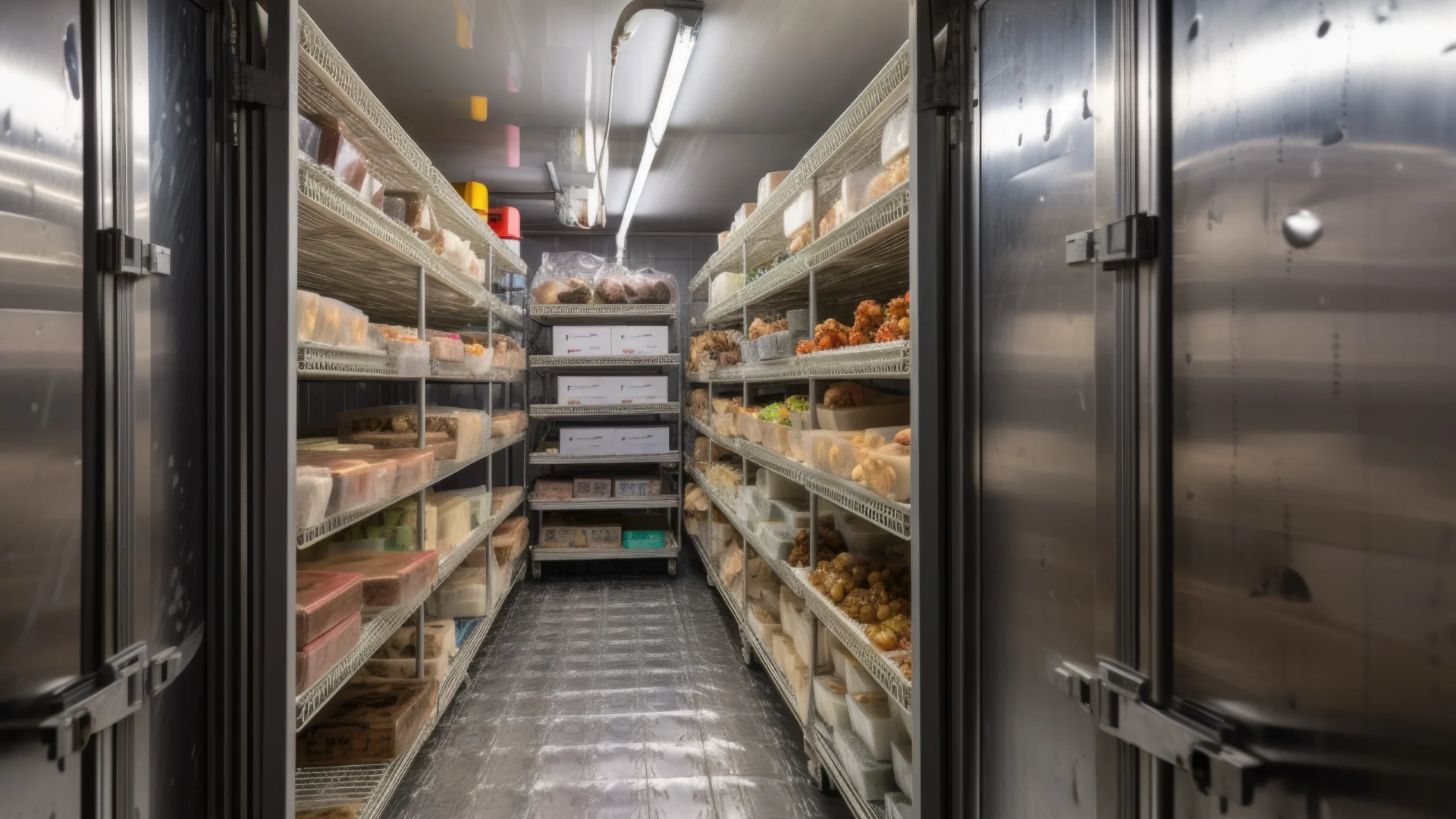
Walk-in coolers and freezers are essential pieces of equipment for restaurants, grocery stores, convenience stores, commercial kitchens, and many other businesses that rely on dependable refrigeration. Because these systems often operate around the clock, regular maintenance is critical for supporting consistent performance and reducing the risk of unexpected downtime.
When refrigeration equipment is properly maintained, businesses can better support daily operations and minimize disruptions caused by cooling issues. Small problems that go unnoticed can gradually affect system performance, making preventive care an important part of long-term equipment management.
According to Elite Quality HVAC, preventive maintenance helps identify potential concerns early while supporting reliable HVAC and commercial refrigeration operation.
Why Walk-In Refrigeration Maintenance Matters
Walk-in coolers and freezers are designed for continuous use, often operating every hour of the day. This constant workload naturally creates wear on system components over time. Routine maintenance helps support:
Consistent cooling performance
Reliable daily operation
Better airflow
Reduced equipment strain
Early identification of developing issues
Businesses that rely on refrigeration systems understand that even minor performance problems can quickly become operational concerns if left unaddressed. To prevent inventory losses, operators should understand the broader scope of why commercial refrigeration maintenance matters for food safety, ensuring compliance with strict health codes.
Keep Airflow Areas Clear
Proper airflow is one of the most important factors in maintaining refrigeration performance. Restricted airflow can force the system to work harder, potentially reducing cooling efficiency and increasing wear on equipment.
Business owners and facility managers should regularly check for:
Obstructed vents
Blocked airflow pathways
Excessive storage crowding
Debris around refrigeration equipment
Maintaining good airflow helps support more consistent cooling throughout the walk-in unit.
       [ Crowded Inventory / Blocked Vents ]
                         │
                         ▼
             [ Restricted Airflow ]
                         │
                         ▼
        [ Frost Accumulation on Coils ]
                         │
                         ▼
[ Compressor Overheats & Suffers Mechanical Failure ]
Inspect Door Seals Regularly
Walk-in cooler and freezer doors are opened frequently during daily operations. Over time, regular use can affect how effectively the door closes and seals. A door that does not close properly may allow warmer, humid air to enter the unit, causing the refrigeration system to work harder to maintain cooling conditions.
Regular visual inspections can help identify signs that doors or rubber gaskets may require professional attention. This simple inspection helps prevent the top causes of walk-in cooler failure in commercial kitchens, where compromised seals rank among the primary culprits of ice buildup.
Monitor Temperature Consistency
One of the simplest ways to identify potential refrigeration issues is by regularly monitoring temperature stability. Business owners should watch for signs such as:
Temperature fluctuations
Longer cooling cycles
Inconsistent cooling performance
Difficulty maintaining normal operating conditions
Unexpected changes in temperature may indicate that the refrigeration system requires inspection. If your system is failing to protect its contents, looking into why your commercial freezer is not maintaining temperature can help you pinpoint issues like failing defrost timers or low refrigerant charges.
The commercial refrigeration services offered through Elite Quality HVAC Commercial Refrigeration Services are designed to help businesses maintain dependable refrigeration system performance through specialized adjustments.
Keep the Interior Organized
Overloading a walk-in cooler or freezer can quickly choke air circulation and impact overall system operation. An organized storage layout helps support proper air circulation throughout the unit. Businesses should avoid blocking airflow pathways with excessive inventory or improperly placed bulk boxes.
Good organization helps refrigeration systems distribute cooling more evenly across the storage space. Neglecting this layout often leaves kitchens vulnerable to the common commercial refrigeration problems restaurants face, which frequently stem from restricted return air vents.
Pay Attention to Unusual Noises
Commercial refrigeration systems typically produce a rhythmic operating sound, but unusual noises should never be ignored. Business owners and kitchen staff should watch for sounds such as:
Grinding
Rattling
Buzzing
Squealing
These changes in operation may signal that a fan motor or compressor bearing is failing. If a screeching noise starts during a busy shift, knowing what to do regarding emergency commercial HVAC repairs can safeguard your facility from wider electrical or mechanical damage. Addressing unusual noises early can help reduce the likelihood of total system failure.
Preventive Maintenance Helps Reduce Unexpected Breakdowns
Routine preventive maintenance is one of the most effective ways to support long-term refrigeration reliability.
According to Elite Quality HVAC Preventive Maintenance Programs, these programs help identify issues early while supporting dependable HVAC and refrigeration operation.
Routine maintenance may include:
Equipment inspections and electrical checks
Airflow evaluations and coil cleaning
General system performance checks
Identification of worn components
Overall refrigeration system assessment
Regular service gives technicians the opportunity to identify smaller concerns before they affect daily operations. Business owners who look closely at the data realize why preventive HVAC maintenance saves businesses thousands by preventing emergency product spoiling.
Minimize Unnecessary Door Openings
In busy commercial environments, walk-in doors may be opened hundreds of times throughout the day. Frequent door openings allow warm, moist kitchen air to rush into the refrigerated space, rapidly increasing the workload on the system and causing ice accumulation on evaporator coils.
While regular access is unavoidable for food prep, reducing unnecessary door openings when possible helps support more stable cooling conditions.
Watch for Rising Energy Costs
An unexpected increase in utility expenses can sometimes indicate declining refrigeration efficiency. When walk-in coolers or freezers must work harder to maintain temperature, energy usage increases dramatically.
Potential causes include:
Restricted airflow
Dirty or greasy condenser coils
Heavy system strain
Lack of preventive maintenance
Monitoring utility costs alongside refrigeration performance can help businesses identify potential issues earlier. Restaurant managers can adopt proven commercial HVAC energy efficiency tips for office buildings to find similar structural methods for containing cooling energy waste.
Seasonal Conditions Can Affect Refrigeration Equipment
Warmer weather always places additional demands on commercial refrigeration systems, especially when condensing units are located in hot kitchens or outdoors. During summer months, refrigeration equipment may experience longer operating cycles, increased workload, greater cooling demands, and additional system strain.
Scheduling maintenance before periods of heavy seasonal demand can help businesses prepare refrigeration systems for increased operation. Applying professional insight on how to reduce commercial cooling costs during summer helps offset the heavy energy draw your facility faces when outdoor temperatures soar.
Airflow Around Equipment Is Important
In addition to maintaining airflow inside the walk-in unit, businesses must ensure that surrounding equipment areas—particularly near the condensing unit—remain completely clear. Accumulated debris, storage boxes, or obstructions around refrigeration equipment can choke the heat-rejection process and trigger high-pressure cutouts. Routine visual inspections help locate these safety hazards quickly.
Why Professional Refrigeration Service Matters
Commercial refrigeration systems are complex pieces of equipment containing specialized controls, expansion valves, and toxic refrigerants that require professional evaluation and maintenance.
According to the Elite Quality HVAC About Page, the company provides comprehensive HVAC and refrigeration services focused on quality workmanship and dependable customer service. Professional technicians can inspect refrigeration equipment, evaluate deep-system metrics, and identify concerns that are invisible during normal daily operations.
When older systems decline, a professional can also walk you through a clear analysis of commercial refrigeration repair vs. replacement: which is better for your operational budget.
Small Refrigeration Problems Can Become Larger Issues
Many refrigeration failures begin as relatively minor concerns, such as slight temperature fluctuations, reduced airflow, unusual operating sounds, or minor performance inconsistencies. If these issues are ignored, they can gradually increase system strain and lead to compressor failure.
Home Comfort Connection: While keeping kitchen walk-ins running protects your business, ensuring your home systems are maintained is just as vital. Review our benefits of seasonal HVAC tune-ups for homes and use a residential HVAC maintenance checklist for homeowners to protect your family's indoor environment.
Commercial HVAC and Refrigeration Maintenance Work Together
Many facilities depend on both environmental air systems and commercial refrigeration to support efficient daily operations. According to Elite Quality HVAC Commercial HVAC Services, commercial HVAC systems also benefit from regular maintenance and professional service.
A proactive maintenance strategy that covers both HVAC and refrigeration equipment ensures reliable overall facility performance. It prevents environmental issues from bleeding into your refrigeration areas; for example, ignoring the warning signs your rooftop HVAC unit needs repair can cause ambient kitchen temperatures to rise, directly stressing your coolers. It also links to employee safety, as explained in our review on the importance of indoor air quality in commercial buildings.
Warning Signs Your Walk-In Cooler or Freezer May Need Service
Business owners should contact a professional refrigeration service provider immediately if they notice:
Warning Sign Potential Core Issue Inconsistent Temperatures: Failing thermostat, low refrigerant charge, or bad door seals
Excessive Frost Buildup: Defrost clock failure, fan motor damage, or high humidity entry
Unusual Noises: Worn compressor bearings or failing condenser fan blades
Longer Operating Cycles: Restricted airflow, dirty coils, or lack of compression
If you notice any of these developments, reading about the 7 signs your commercial HVAC system needs immediate repair can help you diagnose if parallel systems are failing simultaneously. It may also mean you are overdue for service; review our benchmark on how often should commercial HVAC systems be serviced to re-align your calendar. Understanding what happens when you skip preventive HVAC maintenance highlights how minor issues quickly spiral into total system losses.
Preventive Maintenance Supports Long-Term Equipment Reliability
Walk-in coolers and freezers represent a significant capital investment for any commercial facility. Regular maintenance helps support long-term performance by reducing unnecessary strain and identifying concerns early.
Businesses that prioritize preventive maintenance are better positioned to:
Maintain consistent cooling and protect inventory
Reduce unexpected, costly downtime
Improve operational and mechanical reliability
Support energy-efficient system performance
Protect long-term refrigeration equipment investment
The preventive maintenance programs available through the Elite Quality HVAC Blog resources and direct maintenance agreements are designed to help businesses maintain dependable performance through routine inspections.
Consistent Maintenance Helps Protect Your Refrigeration Investment
Walk-in coolers and freezers are vital to many commercial operations, and keeping them operating reliably requires ongoing attention. Monitoring temperatures, maintaining proper airflow, observing system performance, and scheduling regular preventive maintenance all help support dependable refrigeration operation.
By staying proactive and addressing smaller issues early, businesses can reduce unexpected disruptions and support the long-term performance of their refrigeration equipment. For additional information about commercial refrigeration services, preventive maintenance programs, or HVAC support, visit the Elite Quality HVAC Contact Page.
