
Warning Signs Your Rooftop HVAC Unit Needs Repair
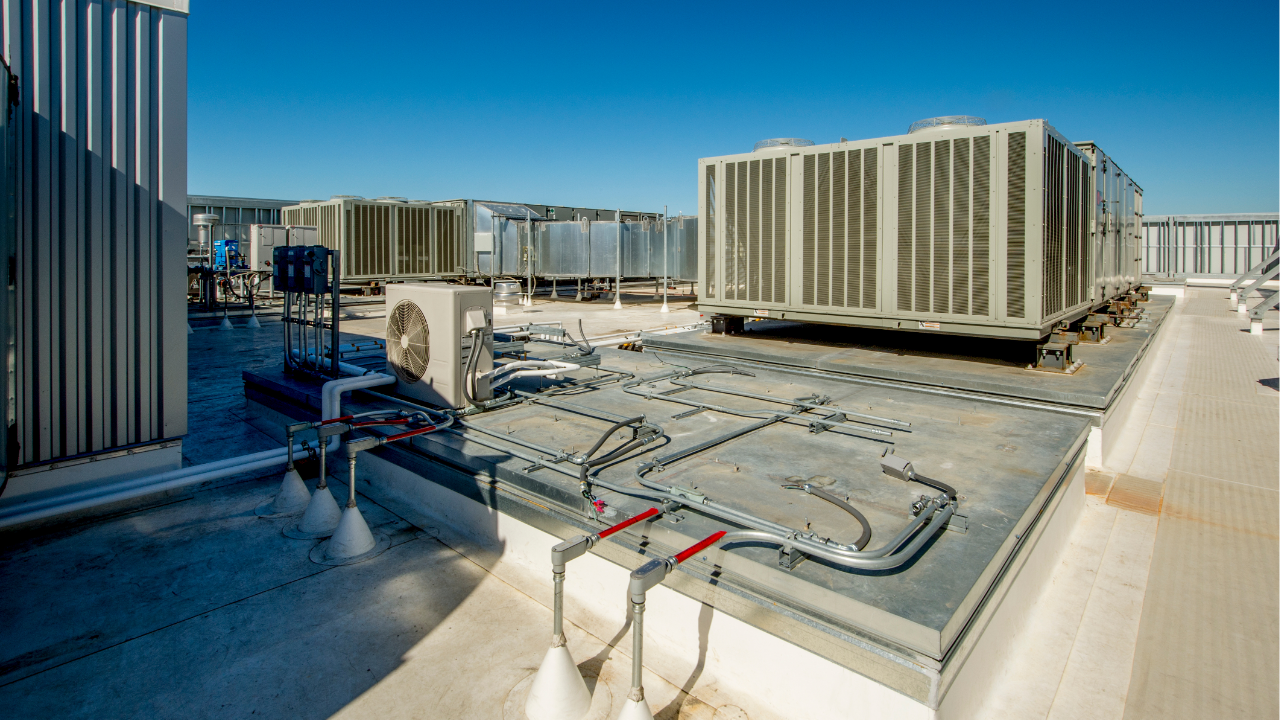
Rooftop HVAC units are a critical part of keeping commercial buildings comfortable, productive, and operational throughout the year. In office buildings, restaurants, retail spaces, and other commercial properties, these systems often run for long hours every day to maintain indoor temperatures and airflow.
Because rooftop HVAC systems are out of sight, many business owners and property managers may not notice problems until comfort issues or system failures start affecting operations. Small warning signs can quickly turn into expensive repairs, higher energy bills, or unexpected downtime if they are ignored.
According to Elite Quality HVAC, preventive maintenance and professional commercial HVAC service play an important role in keeping systems operating reliably and efficiently.
Uneven Temperatures Throughout the Building
One of the most common signs of rooftop HVAC problems is inconsistent indoor temperatures.
If some offices feel too warm while others remain too cold, the system may not be distributing air properly. Uneven temperatures can happen for several reasons, including airflow restrictions, worn components, or system performance issues.
Commercial buildings rely on balanced heating and cooling to keep employees and visitors comfortable during business hours. When rooftop units struggle to maintain consistent temperatures, it may indicate the system needs professional inspection and repair.
Common temperature-related issues include:
Hot and cold spots
Rooms that never seem comfortable
Constant thermostat adjustments
Inconsistent cooling during busy hours
Ignoring these warning signs can place additional strain on the HVAC system over time.
Higher Than Normal Energy Bills
A sudden increase in utility costs is often one of the earliest indicators of HVAC inefficiency.
As rooftop HVAC units develop problems, they usually work harder to maintain the same level of comfort. This increased workload leads to higher energy consumption and rising operating expenses.
Commercial property managers should pay attention to unexplained spikes in monthly energy bills, especially if building occupancy and usage patterns have remained consistent.
Several HVAC issues can contribute to energy waste, including:
Dirty filters
Airflow restrictions
Malfunctioning components
Lack of preventive maintenance
Aging equipment performance issues
The company’s preventive maintenance programs focus on identifying issues early before they affect performance and reliability. Businesses can also explore educational resources through the company’s HVAC blog, which covers maintenance and repair topics for commercial systems.
Weak Airflow From Vents
Weak airflow is another common sign that a rooftop HVAC unit may need service.
When airflow decreases, commercial spaces often feel stuffy or uncomfortable, even when the thermostat appears to be working correctly.
Poor airflow can affect employee comfort, indoor air circulation, and overall HVAC efficiency.
Possible causes may include:
Dirty air filters
Blower issues
Blocked ductwork
Ventilation problems
Mechanical wear within the system
Commercial HVAC systems are designed to distribute conditioned air evenly throughout the property. Reduced airflow may indicate that the system is struggling to operate efficiently.
Businesses dealing with recurring airflow problems may also benefit from reading 7 signs your commercial HVAC system needs immediate repair.
Unusual Noises Coming From the Rooftop Unit
Commercial rooftop HVAC units naturally produce some operating noise, but sudden or unusual sounds should never be ignored.
Loud banging, rattling, buzzing, or grinding noises can signal developing mechanical problems.
These sounds may indicate:
Loose components
Motor problems
Fan issues
Worn parts
Internal system damage
Addressing unusual noises early may help prevent more serious repairs later.
Business owners often overlook rooftop equipment because it is not located inside the building. However, routine inspections can help identify unusual system behavior before it affects daily operations.
Frequent HVAC Cycling
Short cycling occurs when the HVAC system turns on and off more frequently than normal.
This issue can increase energy consumption and place unnecessary stress on commercial HVAC equipment.
Frequent cycling may happen because of:
Thermostat issues
Airflow restrictions
System inefficiency
Mechanical problems
Overworked components
Commercial rooftop units are designed to operate in balanced cycles. If the system constantly starts and stops throughout the day, professional service may be needed to identify the underlying problem.
Excess Humidity Inside the Building
Rooftop HVAC systems help regulate not only temperature but also indoor humidity levels.
When the system is not operating correctly, commercial buildings may start feeling humid or uncomfortable indoors.
Excess humidity can create several problems, including:
Reduced comfort for employees and customers
Stuffy indoor air
Condensation issues
Increased strain on the HVAC system
Restaurants, offices, and commercial spaces depend on balanced indoor conditions to maintain a comfortable environment.
If humidity levels suddenly increase indoors, it may indicate that the rooftop HVAC unit requires inspection or repair.
Strange Odors Coming From Vents
Unusual smells coming from air vents are another warning sign that should not be ignored.
Musty, burning, or unpleasant odors may point to airflow issues, dirty components, or mechanical problems inside the system.
In commercial environments, poor indoor air quality can negatively affect customer experiences and employee comfort.
Property managers should pay attention if building occupants report:
Burning smells
Stale air
Musty odors
Persistent unpleasant airflow
Professional HVAC service can help identify the source of these issues before they worsen.
Water Leaks or Moisture Around the System
Moisture or visible leaks around rooftop HVAC equipment can indicate drainage or operational problems.
Water buildup may damage surrounding building materials and potentially affect HVAC performance if left unresolved.
Possible causes include:
Drainage blockages
Condensation issues
System malfunctions
Maintenance concerns
Routine inspections can help identify moisture-related issues before they lead to more extensive property damage.
Constant Repairs and Service Calls
Commercial rooftop HVAC systems naturally require maintenance over time, but repeated repair calls may signal larger underlying problems.
If the same unit frequently experiences breakdowns or recurring issues, it may no longer be operating efficiently.
Common signs include:
Repeated emergency service calls
Ongoing cooling problems
Recurring airflow issues
Increasing repair costs
Professional commercial HVAC services help businesses maintain dependable system performance while identifying issues before they become larger operational concerns.
Companies experiencing repeated repair needs may also find useful information in why preventive HVAC maintenance saves businesses thousands.
Poor Indoor Air Quality
Indoor air quality directly affects comfort in commercial buildings.
When rooftop HVAC units are not functioning properly, businesses may notice:
Dust buildup
Poor ventilation
Stale indoor air
Increased discomfort indoors
Air circulation problems may affect office environments, restaurants, retail spaces, and other commercial properties where people spend long hours indoors.
Clean airflow and proper ventilation are important for maintaining a comfortable business environment.
Rooftop HVAC Units Struggling During Peak Weather
Commercial HVAC systems often experience the highest workload during extreme temperatures.
If the rooftop unit struggles to keep up during hot or cold weather, it may indicate reduced efficiency or system wear.
Business owners may notice:
Slower cooling or heating response
Longer operating cycles
Inconsistent temperatures during peak hours
Difficulty maintaining thermostat settings
These warning signs may suggest that the HVAC system requires maintenance or repairs to restore reliable performance.
Delayed Maintenance Can Increase Repair Costs
Many rooftop HVAC problems begin as small issues that gradually worsen over time.
Unfortunately, delaying service can increase the risk of:
Major system breakdowns
Business interruptions
Higher repair expenses
Reduced equipment lifespan
Energy inefficiency
Preventive maintenance programs help identify potential issues early before they affect operations.
Businesses can also review how often commercial HVAC systems should be serviced to better understand routine maintenance scheduling.
Commercial Refrigeration Systems Also Affect Building Comfort
For restaurants, food service businesses, and commercial kitchens, refrigeration systems can also impact indoor comfort and HVAC performance.
Poorly operating refrigeration equipment may generate additional heat, forcing rooftop HVAC units to work harder to maintain indoor temperatures.
Professional commercial refrigeration services support businesses that rely on temperature-sensitive equipment and consistent cooling performance.
When refrigeration systems are included in regular maintenance planning, businesses may experience:
Better energy efficiency
More stable indoor temperatures
Reduced strain on HVAC equipment
Fewer operational interruptions
Restaurant operators may also find value in reading common commercial refrigeration problems restaurants face and top causes of walk-in cooler failure in commercial kitchens.
Why Preventive Maintenance Matters for Rooftop HVAC Systems
Preventive maintenance is one of the most effective ways to reduce unexpected HVAC problems in commercial buildings.
Rooftop systems are constantly exposed to outdoor conditions, debris, temperature changes, and heavy daily usage. Without routine inspections, small problems can go unnoticed until they disrupt operations.
Preventive maintenance may help businesses:
Improve HVAC efficiency
Reduce energy waste
Extend equipment life
Minimize emergency repairs
Maintain consistent comfort indoors
Routine maintenance also helps ensure that rooftop units continue operating safely and efficiently throughout the year.
Signs Restaurant Owners Should Watch Carefully
Restaurants often place higher demands on commercial HVAC systems because of kitchen heat, customer traffic, and refrigeration equipment.
Restaurant owners should pay close attention to:
Dining rooms feeling warmer than usual
Kitchen ventilation concerns
Humidity buildup
Poor airflow near cooking areas
Increased cooling costs
Commercial HVAC and refrigeration systems both play an important role in maintaining customer comfort and supporting daily restaurant operations.
The Importance of Professional Commercial HVAC Service
Commercial rooftop HVAC systems are complex and require experienced service professionals who understand commercial building demands.
Professional inspections can help identify issues that may not be visible during daily operations.
The company’s about page highlights its experience providing HVAC and refrigeration services for commercial and residential customers. Businesses managing mixed-use or residential properties can also explore available home HVAC services for additional support.
Businesses that schedule regular HVAC service are often better positioned to avoid costly downtime and maintain reliable indoor comfort throughout the year.
FAQ About Rooftop HVAC Unit Repairs
How do I know if my rooftop HVAC unit needs repair?
Common warning signs include uneven temperatures, weak airflow, rising energy bills, unusual noises, humidity problems, and recurring system breakdowns.
Why is my commercial HVAC system using more energy?
Higher energy usage may happen when HVAC systems work harder because of dirty filters, airflow restrictions, worn components, or lack of maintenance.
How often should rooftop HVAC systems be inspected?
Routine preventive maintenance helps identify issues early and supports efficient system performance. Commercial systems typically benefit from ongoing inspections and maintenance programs.
Can refrigeration systems affect HVAC performance?
Yes. Commercial refrigeration equipment can generate additional heat, which may increase the workload placed on nearby HVAC systems.
Why is preventive maintenance important for commercial HVAC systems?
Preventive maintenance helps improve efficiency, reduce emergency repairs, extend equipment lifespan, and maintain reliable indoor comfort for commercial buildings.
When should a business call for commercial HVAC service?
Businesses should schedule professional service when they notice comfort issues, airflow problems, unusual noises, humidity concerns, rising utility bills, or repeated HVAC system breakdowns.
For businesses experiencing rooftop HVAC performance issues, the company’s contact page provides additional information about available commercial HVAC and refrigeration services.
