
Why Your Commercial Building Has Hot and Cold Spots
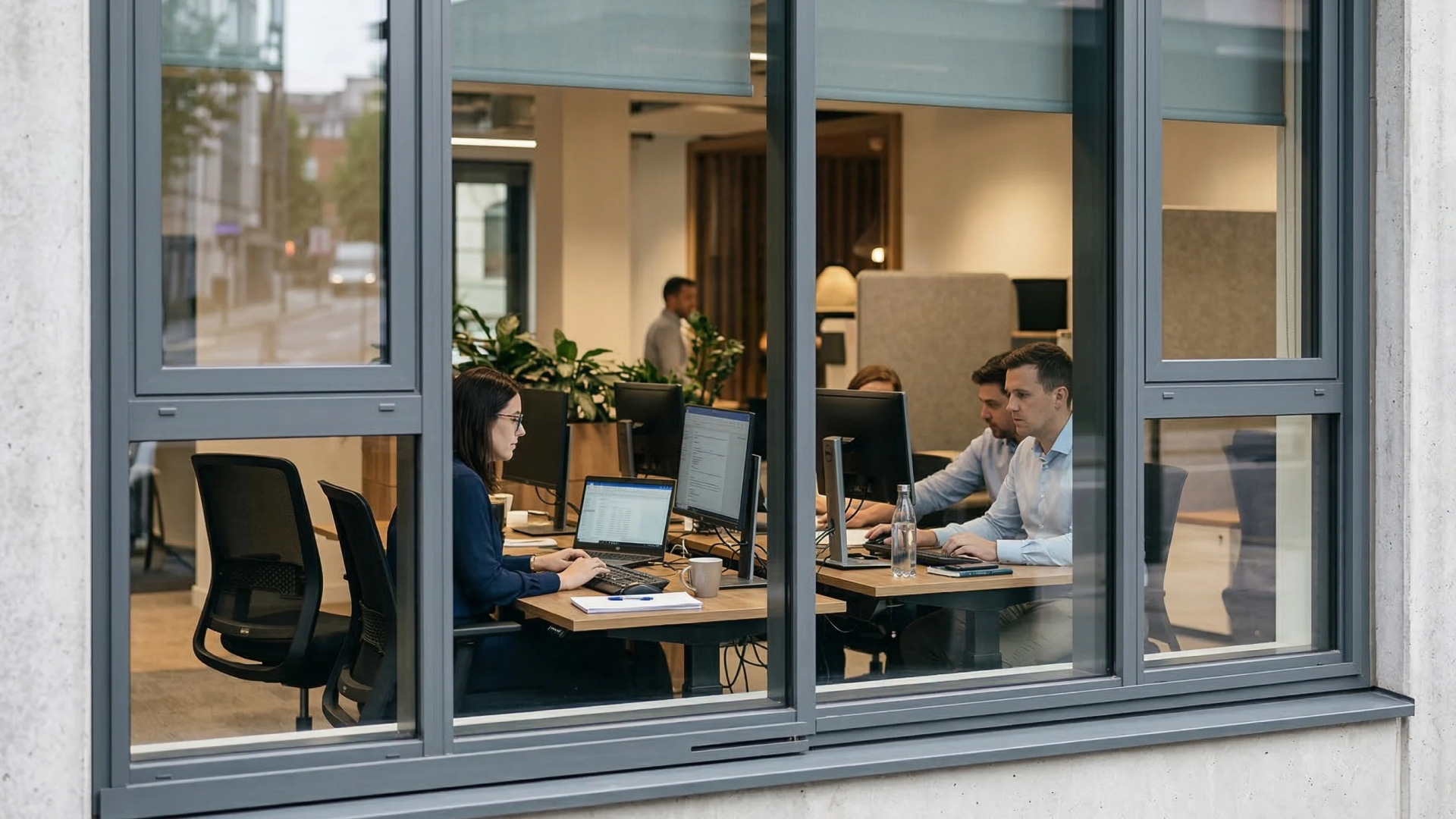
Few workplace complaints are as common as employees saying one room feels like a freezer while another feels too warm. Hot and cold spots are a frequent issue in commercial buildings, and they can affect comfort, productivity, and even customer experience.
Uneven temperatures often indicate that your commercial HVAC system is struggling to distribute air consistently throughout the building. Understanding why these temperature differences occur can help business owners and property managers identify potential issues and determine when professional service may be needed.
What Are Hot and Cold Spots?
Hot and cold spots are areas within a building that experience noticeably different temperatures from the rest of the space. One office may feel perfectly comfortable, while another room just a few feet away feels much warmer or colder.
These temperature imbalances can happen in:
Retail spaces
Warehouses
Multi-room commercial facilities
In many cases, uneven temperatures develop gradually and become more noticeable during periods of extreme weather.
Poor Airflow Distribution
One of the most common reasons for hot and cold spots is uneven airflow.
Commercial HVAC systems are designed to distribute conditioned air throughout the building. If certain areas receive less airflow than others, some rooms may never reach the desired temperature.
Poor airflow can lead to:
Warm rooms during summer
Cold areas during winter
Inconsistent comfort levels throughout the building
HVAC systems running longer than necessary
When airflow problems occur, the entire system may need to work harder to maintain indoor comfort.
Building Layout Can Affect Temperature Consistency
Every commercial building has unique characteristics that influence how air moves through the space.
Large open areas, multiple floors, private offices, conference rooms, and sections with different occupancy levels can all create temperature variations.
Certain areas may naturally retain more heat or cool down faster than others, making it difficult to maintain perfectly even temperatures throughout the building.
Buildings that have expanded or changed layouts over time may also experience uneven heating and cooling if the HVAC system is trying to serve spaces with different needs.
Sun Exposure Creates Temperature Differences
The amount of sunlight entering different parts of a building can significantly affect indoor temperatures.
Rooms with large windows or direct afternoon sun often become warmer than interior spaces. Areas with less sun exposure may remain cooler throughout the day.
This can create noticeable temperature differences between:
South-facing and north-facing rooms
Exterior offices and interior offices
Window-lined spaces and enclosed areas
As outdoor conditions change throughout the day, these temperature variations can become even more noticeable.
Occupancy Levels Influence Indoor Temperatures
People generate heat, and some areas of a commercial building naturally have higher occupancy levels than others.
Conference rooms, break rooms, waiting areas, and busy retail sections often experience more temperature fluctuations because of the number of people using those spaces.
For example:
A crowded meeting room may become warm quickly.
An unused office may feel cooler than surrounding areas.
High-traffic customer areas may require different cooling demands than storage spaces.
As occupancy changes throughout the day, indoor temperatures can shift as well.
Equipment and Electronics Generate Heat
Many commercial spaces contain equipment that produces heat.
Computers, printers, kitchen equipment, refrigeration systems, and other electronics can raise temperatures in certain areas of a building.
Businesses may notice hot spots in:
Server rooms
Offices with multiple computers
Commercial kitchens
Equipment storage areas
When certain rooms generate additional heat, the HVAC system may struggle to maintain consistent temperatures throughout the entire building.
Seasonal Weather Can Make Hot and Cold Spots Worse
Extreme outdoor temperatures can amplify existing HVAC issues.
During the summer, some parts of the building may become much warmer because of sunlight and heat gain. During the winter, areas near exterior walls or entrances may feel colder than the rest of the building.
Changing weather conditions often make uneven temperatures more noticeable and can place additional strain on commercial HVAC systems.
HVAC Systems Work Harder as Buildings Age
Over time, commercial HVAC equipment experiences normal wear and tear.
As systems age, performance may become less consistent, and maintaining even temperatures throughout the building can become more challenging. If a building faces persistent short cycles alongside uneven comfort levels, it might be due to specific component stress, which highlights why your commercial HVAC system keeps short-cycling.
Signs that the system may be struggling include:
Rooms that never seem comfortable
Frequent thermostat adjustments
Longer heating or cooling cycles
Increasing energy costs
More employee comfort complaints
Addressing these concerns early can help prevent further performance issues.
Inconsistent Temperatures Can Affect Business Operations
Hot and cold spots are more than just an inconvenience. Uneven temperatures can impact:
Employee Comfort
Workers who are too hot or too cold may become distracted and less comfortable throughout the day.
Customer Experience
Retail stores, restaurants, and other customer-facing businesses depend on comfortable indoor environments.
Productivity
Comfortable indoor temperatures help create a better work environment and support daily operations.
Energy Efficiency
When employees constantly adjust thermostats or when equipment runs longer to compensate for uneven temperatures, energy use can increase.
Why Preventive Maintenance Matters
Regular HVAC maintenance plays an important role in supporting system performance and identifying potential issues before they become larger problems. Working with a dedicated provider to implement preventive hvac maintenance tips for property managers can minimize these occurrences entirely.
A structured program for preventive maintenance can help:
Keep equipment operating efficiently
Identify concerns affecting airflow and performance
Support more consistent indoor comfort
Prepare systems for seasonal temperature demands
Commercial HVAC systems work continuously, and routine maintenance helps ensure they are ready to meet changing building needs.
When to Schedule Professional HVAC Service
If hot and cold spots continue to occur, it may be time to have your commercial HVAC system evaluated.
Common signs that professional HVAC service may be needed include:
Persistent temperature differences between rooms
Rising utility bills
Reduced indoor comfort
HVAC equipment running continuously
Frequent occupant complaints about temperatures
Addressing these issues early may help improve comfort and support reliable system operation.
Creating a More Comfortable Commercial Environment
Every commercial property depends on consistent indoor comfort. Whether you manage an office building, restaurant, retail space, or another commercial facility, uneven temperatures can affect employees, customers, and daily operations.
Hot and cold spots often develop because of a combination of factors, including airflow challenges, building layout, occupancy levels, weather conditions, and the demands placed on commercial HVAC equipment.
By paying attention to temperature inconsistencies and investing in regular maintenance, businesses can better support HVAC performance and create a more comfortable environment throughout the year.
