
How Weather Conditions Affect Commercial HVAC Performance
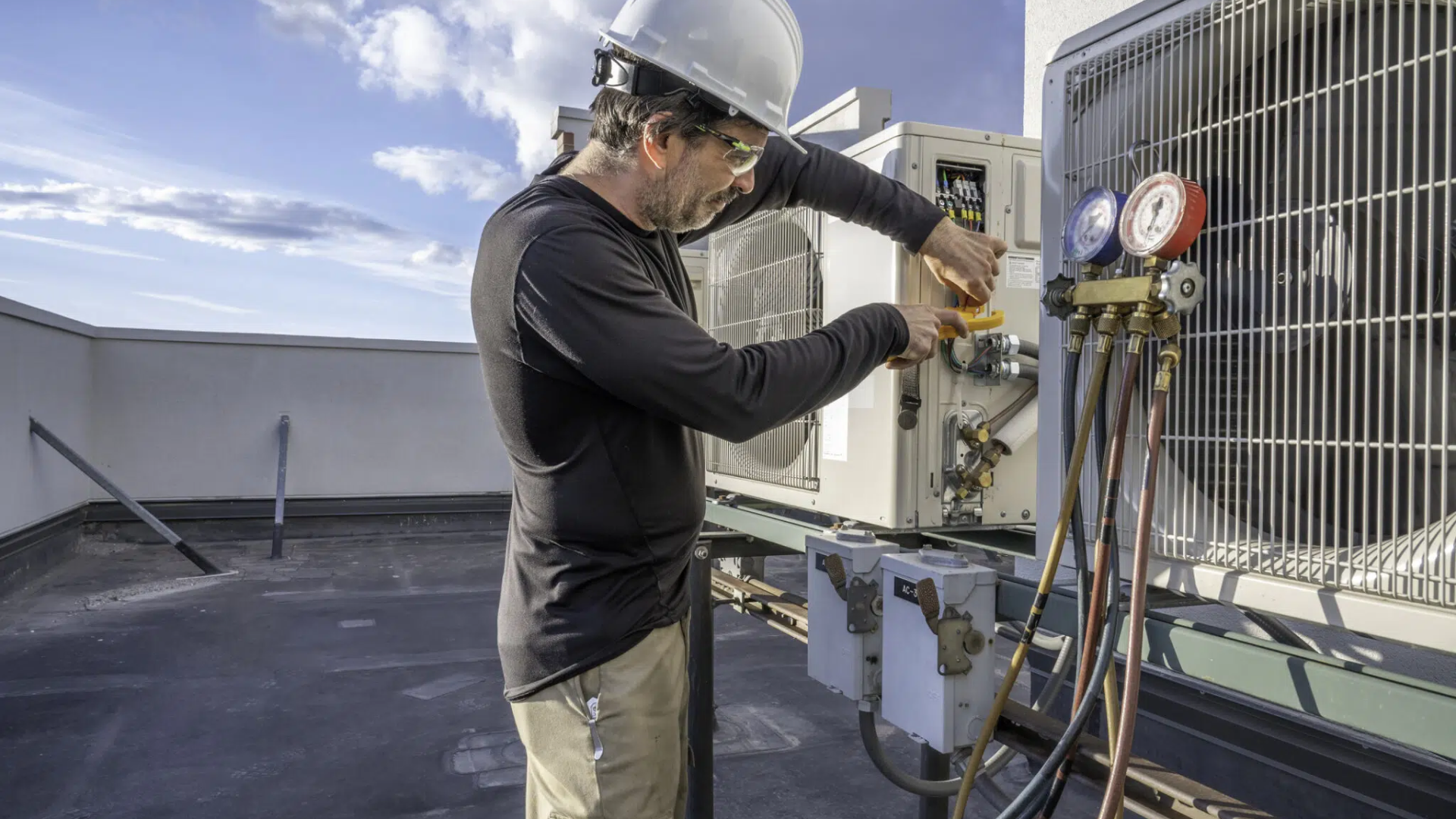
Commercial HVAC systems work hard throughout the year, but weather conditions can have a significant impact on how efficiently they perform. From intense summer heat to cold winter temperatures and seasonal humidity changes, the weather outside directly affects indoor comfort, energy use, and equipment strain.
For business owners and property managers, understanding this relationship can make it easier to recognize potential problems early and make informed decisions about maintenance and system care. Whether you operate an office building, retail space, restaurant, or another commercial property, paying attention to weather-related HVAC challenges can help protect your investment and keep your building comfortable.
Why Weather Matters to Commercial HVAC Systems
A commercial HVAC system is designed to maintain comfortable indoor conditions regardless of what is happening outside. However, every change in outdoor temperature, humidity, and weather patterns affects the amount of work the system must do.
When temperatures rise or fall dramatically, heating and cooling equipment often runs longer cycles to maintain indoor settings. Over time, this increased demand can place additional stress on components and potentially affect performance.
Weather conditions can influence:
Indoor comfort levels
Energy consumption
Equipment efficiency
System runtime
The need for maintenance and inspections
Because commercial HVAC systems often operate for long hours, even small changes in weather can have a noticeable impact on performance and operating costs.
Hot Summer Temperatures Can Increase System Strain
Summer is often one of the busiest seasons for commercial HVAC systems. When outdoor temperatures climb, cooling equipment must work harder to remove heat from the building and maintain a comfortable environment.
Businesses with high occupancy levels or large indoor spaces may notice that their systems run almost continuously during particularly hot days.
Common effects of extreme heat include:
Longer operating cycles
Increased energy use
Greater wear on equipment components
Difficulty maintaining consistent indoor temperatures
For commercial properties, this additional demand makes regular maintenance especially important. Keeping equipment operating properly can help systems perform more efficiently during periods of intense heat.
Humidity Plays a Major Role in Indoor Comfort
Temperature is only part of the equation. Humidity levels can also have a major impact on commercial HVAC performance.
High humidity can make indoor spaces feel warmer than they actually are, causing occupants to lower thermostat settings in an attempt to stay comfortable. This often leads to increased system operation and additional strain on equipment.
Excess humidity may also affect:
Employee comfort
Customer experience
Overall cooling efficiency
Businesses such as restaurants and retail locations often rely on consistent indoor conditions to create a comfortable environment for both staff and customers.
An HVAC system that is properly maintained can help manage humidity levels more effectively and support better indoor comfort.
Cold Weather Creates Different HVAC Challenges
While summer often receives the most attention, winter weather can also affect commercial HVAC performance.
As temperatures drop, heating systems must work harder to keep indoor spaces comfortable. Extended heating cycles can place additional demands on equipment and may reveal issues that went unnoticed during warmer months.
Cold weather can contribute to:
Increased energy consumption
Longer heating cycles
Reduced efficiency if equipment is not properly maintained
Greater demand on aging systems
Commercial buildings that experience significant temperature fluctuations throughout the year benefit from ongoing maintenance to ensure equipment is prepared for changing conditions.
Sudden Temperature Changes Can Impact Performance
Some seasons bring dramatic shifts in weather from one day to the next. These sudden changes can make commercial HVAC systems work harder because equipment must quickly adapt to different heating and cooling demands.
For example, a cool morning followed by an unusually warm afternoon can cause systems to switch operating modes or run more frequently than usual.
Frequent changes in demand can contribute to:
Additional wear on equipment
Reduced efficiency
Increased operating costs
Difficulty maintaining consistent indoor comfort
Businesses that experience unpredictable seasonal weather often benefit from routine inspections and preventive maintenance.
Storms and Severe Weather Can Affect Equipment Operation
Severe weather events can create additional challenges for commercial HVAC systems.
Heavy rain, strong winds, and changing outdoor conditions may impact how equipment performs. Even when systems continue operating, extreme weather can increase strain and make existing issues more noticeable.
After severe weather events, it is often beneficial to pay close attention to system performance and address any concerns promptly.
Signs that equipment may need attention include:
Uneven temperatures throughout the building
Unusual operating sounds
Reduced airflow
Higher-than-normal energy usage
Addressing concerns early may help prevent more significant issues later.
Seasonal Changes Affect Commercial Refrigeration Too
Many businesses rely on both HVAC systems and commercial refrigeration equipment to keep operations running smoothly.
Restaurants, grocery stores, and other food-related businesses often depend on consistent refrigeration performance regardless of outdoor conditions.
Extreme temperatures can influence how refrigeration systems operate because equipment may need to work harder to maintain proper cooling conditions.
Commercial refrigeration systems that operate continuously can benefit from regular maintenance and inspections to help identify potential issues before they become disruptive.
The Connection Between HVAC Performance and Energy Costs
Weather-related strain on HVAC systems often shows up in utility bills.
When heating and cooling equipment works harder, it typically uses more energy. This can lead to increased operating expenses for commercial properties, especially if dirty HVAC filters affect commercial energy bills.
Factors that may contribute to higher energy use include:
Extreme outdoor temperatures
High humidity
Extended equipment runtime
Reduced system efficiency
Delayed maintenance
Business owners frequently focus on controlling operational costs, and HVAC performance plays an important role in overall building expenses.
Keeping equipment maintained and addressing concerns early can support more efficient operation throughout the year.
Why Preventive Maintenance Matters in Every Season
One of the best ways to prepare commercial HVAC systems for changing weather conditions is through regular preventive maintenance.
Commercial equipment experiences constant demands, and weather often increases those demands. Maintenance programs are designed to help identify potential concerns before they become major issues, explaining why preventive HVAC maintenance saves businesses thousands over the lifespan of the equipment.
Routine maintenance can help:
Keep systems operating efficiently
Identify wear and performance concerns
Support reliable operation during peak seasons
Reduce the likelihood of unexpected disruptions
For many businesses, preventive maintenance is an important part of protecting HVAC and refrigeration investments.
Preparing Commercial HVAC Systems for Summer
As warmer weather approaches, businesses can benefit from evaluating their HVAC systems before peak cooling season arrives.
A proactive approach may help ensure equipment is prepared for increased demand and reduce the chances of unexpected performance issues during the hottest months.
Business owners often consider:
Scheduling routine maintenance
Monitoring indoor comfort levels
Paying attention to unusual system behavior
Addressing concerns before temperatures rise significantly
Preparation can make a meaningful difference when systems begin operating at full capacity during the summer season.
Preparing for Winter Weather
Cold weather preparation is equally important.
Heating equipment often operates for long periods during the winter, making reliability especially important for employee comfort and daily operations.
Preparing ahead of seasonal changes can help businesses avoid unnecessary disruptions and maintain comfortable indoor conditions.
Signs Weather May Be Affecting Your HVAC System
Commercial property owners and managers should pay attention to changes that occur during extreme weather conditions. Looking out for these early indicators can point to signs your commercial HVAC system needs immediate repair.
Rising Utility Bills
A sudden increase in energy costs may indicate that the system is working harder than normal.
Uneven Indoor Temperatures
Some areas of the building may feel warmer or cooler than others when equipment struggles to keep up with changing outdoor conditions.
Longer System Runtime
If equipment seems to run continuously during extreme temperatures, it may be experiencing increased demand.
Reduced Comfort Levels
Employee or customer complaints about indoor temperatures can sometimes signal that the HVAC system needs attention.
Recognizing these signs early may help prevent larger problems and support more reliable performance.
Commercial Properties Depend on Reliable HVAC Performance
A comfortable indoor environment affects employees, customers, tenants, and overall business operations.
Whether managing an office building, retail location, restaurant, or other commercial property, maintaining HVAC performance throughout changing weather conditions is an important part of building management.
Commercial HVAC and refrigeration systems face different demands during every season. Hot temperatures, humidity, cold weather, and sudden seasonal changes can all influence how equipment performs.
Because of these factors, ongoing maintenance and timely service can play an important role in helping systems operate effectively throughout the year.
Partnering With Experienced HVAC Professionals
Weather conditions cannot be controlled, but businesses can take steps to prepare their HVAC and refrigeration systems for changing seasons.
Working with experienced HVAC professionals and investing in preventive maintenance can help commercial properties stay ahead of potential issues and keep equipment operating more reliably.
For businesses that depend on consistent indoor comfort and dependable refrigeration performance, understanding how weather affects HVAC systems is an important part of protecting both equipment and daily operations.
