
Commercial Refrigeration Repair vs Replacement: Which Is Better?
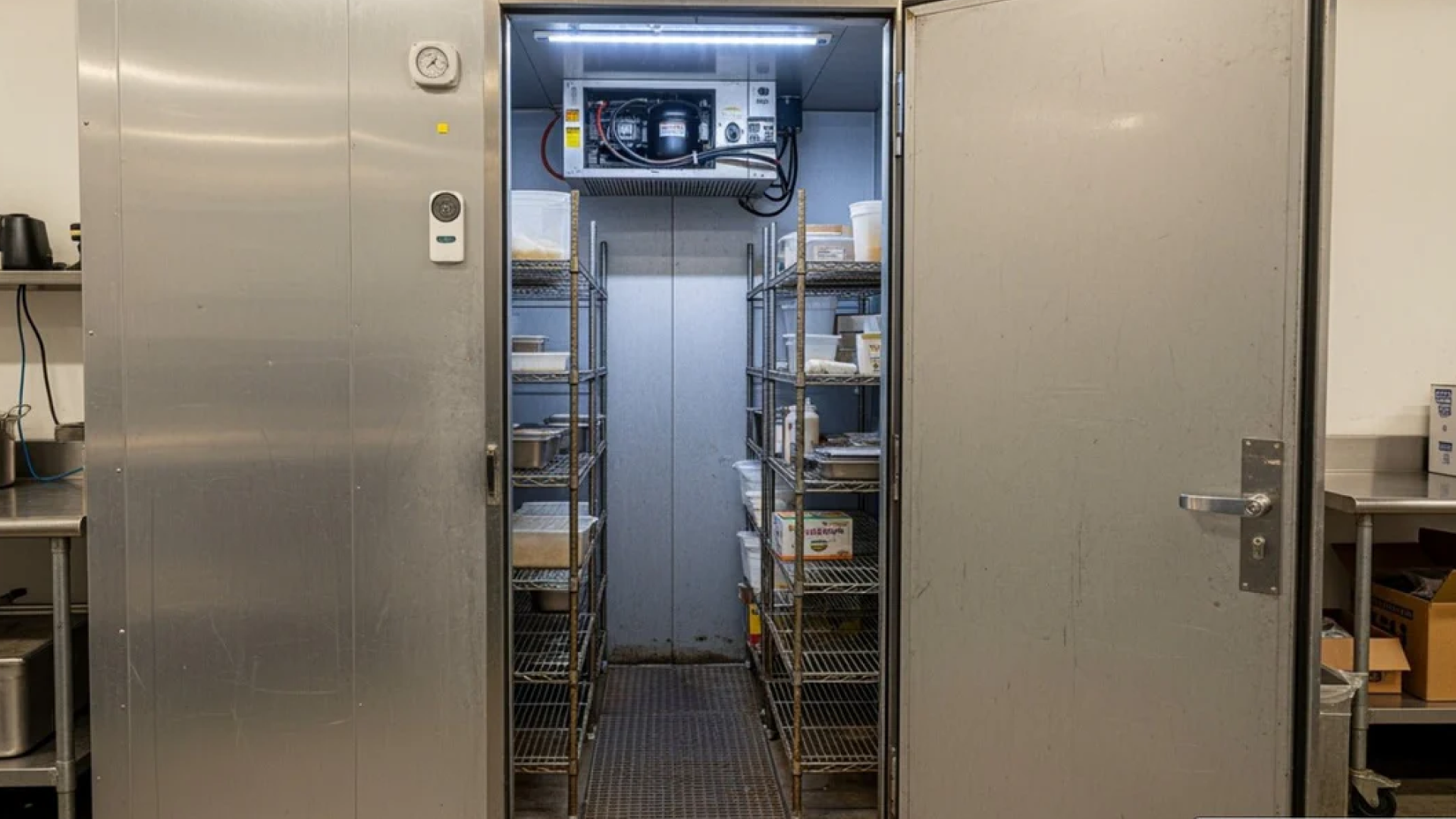
Commercial refrigeration equipment is essential for many businesses, including restaurants, grocery stores, convenience stores, food service operations, and commercial kitchens. When refrigeration systems begin experiencing performance issues, business owners are often faced with an important question: should the equipment be repaired or replaced?
The answer depends on several factors, including the condition of the equipment, the severity of the problem, and the overall reliability of the system. While every situation is unique, understanding the considerations involved can help businesses make more informed decisions when refrigeration problems occur.
Elite Quality HVAC supports commercial operations with dependable refrigeration and HVAC service, recognizing that timely maintenance and responsive repairs are central to keeping businesses running without interruption.
Why Commercial Refrigeration Reliability Matters
Commercial refrigeration systems often operate continuously throughout the day and night. Because these systems support daily business operations, any interruption in performance can create challenges for employees, customers, and facility managers.
Reliable refrigeration helps support consistent cooling performance, daily operational efficiency, equipment dependability, comfortable working environments, and overall business continuity.
When refrigeration equipment begins showing signs of declining performance, business owners must determine the most practical path forward.
When Commercial Refrigeration Repair May Be the Better Option
In many situations, professional repairs can restore refrigeration performance and help businesses avoid unnecessary equipment replacement.
Repair may be appropriate when the issue is isolated to a specific component, the system has otherwise been operating reliably, performance concerns are identified early, or the equipment remains in generally good condition.
Routine inspections often help technicians identify smaller issues before they develop into larger refrigeration problems. Businesses that stay informed about common commercial refrigeration problems restaurants face are better equipped to catch developing concerns before they escalate into costlier repairs.
Dedicated commercial refrigeration services are designed to help businesses evaluate refrigeration performance and address system concerns as they arise.
Common Signs That a Refrigeration System May Need Attention
Regardless of whether repair or replacement becomes necessary, business owners should monitor refrigeration equipment for warning signs.
Inconsistent Temperatures
Temperature fluctuations may indicate developing system issues. Businesses experiencing this should review why your commercial freezer is not maintaining temperature to understand likely causes and next steps.
Unusual Noises
Grinding, rattling, buzzing, or other unexpected sounds can signal equipment concerns that deserve prompt professional attention.
Reduced Cooling Performance
If refrigeration equipment struggles to maintain proper cooling levels, professional evaluation may be needed.
Increased Energy Usage
Declining efficiency can sometimes lead to higher utility costs — a pattern worth monitoring over time.
Frequent Service Calls
Recurring performance issues may indicate larger concerns. If your system has needed repeated attention, it may be time to revisit how often commercial HVAC systems should be serviced and whether your current maintenance schedule is adequate.
Recognizing these symptoms early allows businesses to address problems before they become more disruptive.
When Replacement May Need to Be Considered
There are situations where replacement may become a topic of discussion during a professional refrigeration evaluation.
Business owners may consider replacement when performance issues occur repeatedly, equipment reliability continues to decline, cooling consistency becomes difficult to maintain, or ongoing repairs no longer provide lasting results.
A professional assessment can help determine whether continued repairs are practical or whether alternative solutions should be explored. The decision between repair and replacement depends on the specific condition of the equipment and should always be evaluated by qualified refrigeration professionals.
Preventive Maintenance Helps Extend Equipment Performance
One of the most effective ways to reduce both repair frequency and unexpected replacement discussions is through preventive maintenance. A structured preventive maintenance program is designed to identify potential concerns early while supporting reliable HVAC and refrigeration operation.
Routine maintenance may help evaluate overall system performance, airflow conditions, equipment operation, signs of wear, and developing refrigeration concerns. Many businesses are surprised to discover just how much preventive HVAC maintenance saves when compared to the cumulative cost of reactive repairs and emergency service calls.
By identifying issues early, businesses have more opportunities to address smaller problems before they affect overall system reliability.
The Cost of Unexpected Refrigeration Downtime
When refrigeration equipment experiences significant performance issues, the consequences often extend well beyond the repair itself. Unexpected downtime can affect daily business operations, employee productivity, customer service, and operational efficiency.
For businesses that rely heavily on refrigeration equipment, maintaining dependable performance is often a top priority. This is why many operations focus on proactive maintenance strategies rather than waiting for equipment problems to escalate. The risks of a reactive approach are outlined clearly when looking at what happens when you skip preventive HVAC maintenance — a pattern that applies equally to commercial refrigeration systems.
How Preventive Service Supports Better Decision-Making
One advantage of ongoing maintenance is that it provides a clearer picture of equipment condition over time. Regular inspections help technicians monitor system performance trends, operational consistency, emerging concerns, and overall equipment condition.
This information can help business owners make more informed decisions when evaluating future repair needs. Rather than reacting to sudden failures, businesses with preventive maintenance programs often have greater visibility into how their refrigeration systems are performing — which directly supports smarter repair versus replacement decisions.
Airflow and System Performance Matter
Many refrigeration performance issues are related to airflow restrictions or declining system efficiency. Problems may arise from dirty filters, blocked airflow pathways, equipment strain, or lack of routine maintenance.
When airflow becomes restricted, refrigeration equipment may need to work harder to maintain cooling conditions. For walk-in cooler operators, understanding the top causes of walk-in cooler failure in commercial kitchens is particularly valuable, as airflow-related failures are among the most common and preventable issues in food service environments.
Professional inspections can help identify these concerns before they contribute to larger operational issues.
Commercial Refrigeration and HVAC Systems Often Work Together
In many commercial facilities, refrigeration systems operate alongside HVAC equipment to support overall building performance. Because both systems contribute to daily operations, preventive maintenance for each can help support overall facility efficiency.
Businesses relying on commercial HVAC services alongside refrigeration support benefit from a unified approach to equipment management — one that reduces the risk of one system placing undue strain on the other. Understanding why commercial refrigeration maintenance matters for food safety further underscores why these systems deserve coordinated, ongoing attention.
Why Professional Evaluation Is Important
Choosing between repair and replacement is not always straightforward. Every commercial refrigeration system has unique operating conditions, maintenance history, and performance characteristics.
The Elite Quality HVAC team provides HVAC and refrigeration services focused on quality workmanship and attentive customer care. Professional technicians can evaluate equipment performance, cooling consistency, operational concerns, maintenance history, and overall system condition — giving businesses a clear picture of their available service options.
Seasonal Demand Can Increase Refrigeration Stress
Commercial refrigeration systems often experience greater strain during warmer months when surrounding temperatures rise. Summer conditions may contribute to longer operating cycles, increased equipment workload, higher energy consumption, and greater demand on refrigeration systems.
Businesses that schedule maintenance before peak seasonal demand may be better positioned to maintain reliable refrigeration performance throughout the year. Pairing refrigeration preparation with steps to reduce commercial cooling costs during summer can help businesses manage both performance and energy expenses during the most demanding months.
Warning Signs You Should Not Ignore
Regardless of whether repair or replacement is ultimately recommended, certain warning signs deserve prompt attention. These include ongoing temperature fluctuations, repeated performance issues, unusual operating sounds, reduced cooling effectiveness, and increasing utility expenses.
For businesses experiencing multiple symptoms at once, reviewing the 7 signs your commercial HVAC system needs immediate repair can help clarify when professional evaluation should not be delayed. When urgent issues do arise, knowing the basics of emergency commercial HVAC repairs helps business owners respond quickly and minimize operational disruption.
Addressing these concerns early can help reduce the likelihood of larger refrigeration disruptions.
Repair and Replacement Decisions Should Focus on Reliability
For most businesses, the primary goal is maintaining dependable refrigeration performance that supports daily operations. In some situations, repairs may effectively restore system functionality. In others, recurring performance concerns may lead to discussions about longer-term equipment solutions.
The best decision is typically based on a professional evaluation of the equipment's condition, reliability, and overall performance — not a reaction to a single incident.
Preventive Maintenance Remains the Best Long-Term Strategy
Whether a refrigeration system is repaired or eventually replaced, preventive maintenance remains one of the most important tools for supporting reliable operation. Regular inspections help businesses identify concerns early, maintain system performance, reduce unexpected downtime, support operational continuity, and improve long-term equipment reliability.
Staying current with guidance through the Elite Quality HVAC blog is a practical way for business owners to keep pace with best practices for both refrigeration and HVAC management throughout the year.
Making the Right Choice for Your Business
When commercial refrigeration equipment begins experiencing problems, the decision between repair and replacement should be based on the specific condition of the system and a thorough professional evaluation of its performance. Factors such as cooling consistency, reliability, maintenance history, and operational needs all play a role in determining the most practical solution.
By prioritizing preventive maintenance, addressing warning signs early, and working with experienced refrigeration professionals, businesses can make informed decisions that support long-term operational reliability.
For more information about commercial refrigeration services, HVAC support, or preventive maintenance programs, the Elite Quality HVAC contact page is the right place to start.
