
The Importance of Indoor Air Quality in Commercial Buildings
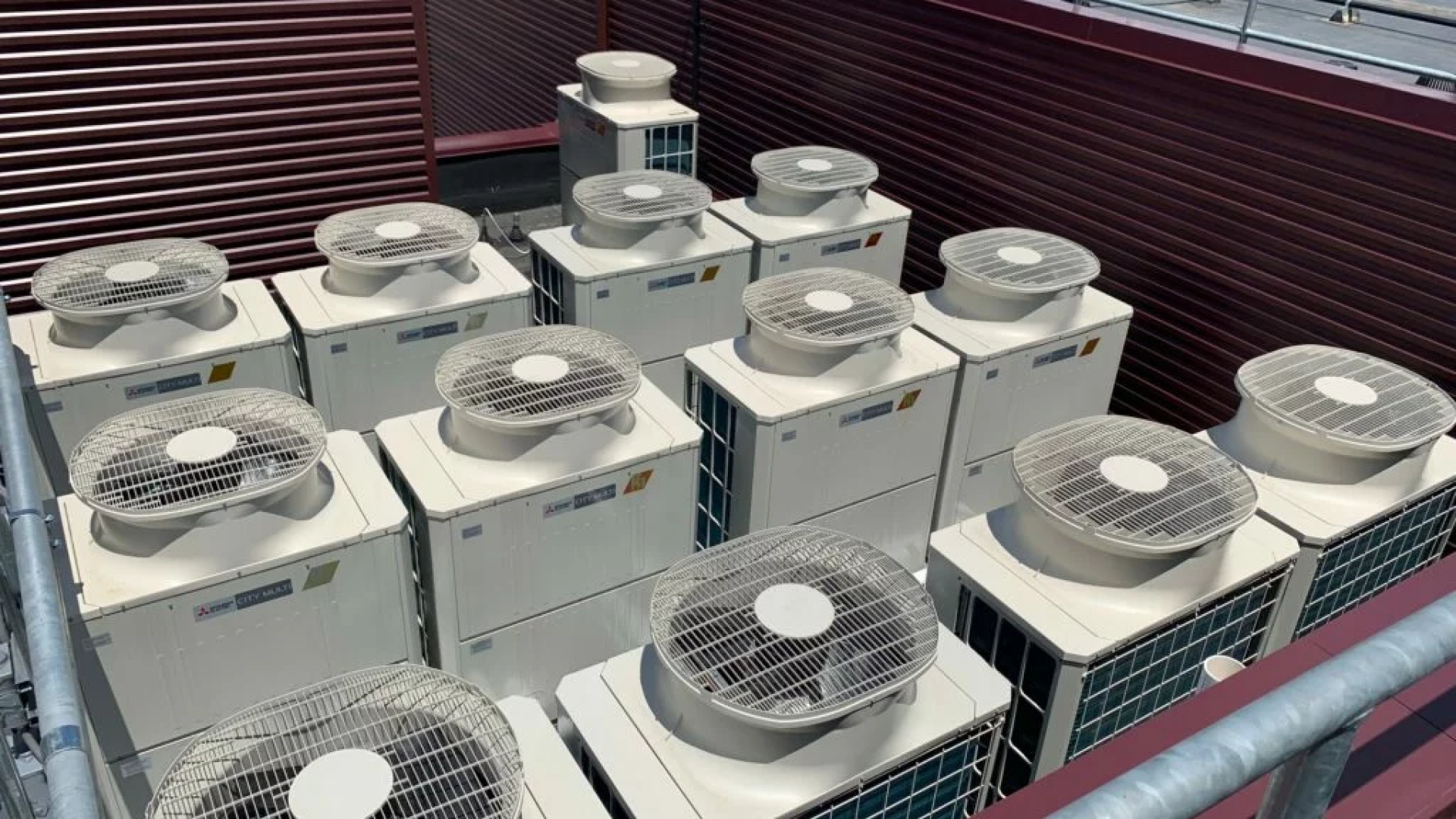
Indoor air quality plays a significant role in the comfort and functionality of commercial buildings. Whether it is an office, retail store, restaurant, healthcare facility, or other commercial property, the quality of the indoor environment can affect employees, customers, tenants, and daily operations.
Many business owners focus on temperature control when evaluating their HVAC system, but indoor air quality is another important part of creating a comfortable indoor environment. Proper HVAC operation, airflow management, and preventive maintenance all contribute to maintaining healthy and consistent indoor conditions.
Elite Quality HVAC helps businesses support reliable performance and overall indoor comfort through professional commercial and residential service.
What Is Indoor Air Quality?
Indoor air quality refers to the condition of the air inside a building and how effectively that air is circulated through the space.
Several factors can influence indoor air quality, including:
Airflow performance
HVAC system operation
Air filtration
Dust accumulation
Building occupancy levels
Equipment maintenance
In commercial buildings, maintaining proper airflow and HVAC performance helps support a more comfortable environment for everyone inside the facility.
Why Indoor Air Quality Matters in Commercial Buildings
Employees, customers, and visitors often spend many hours inside commercial buildings each day. Because of this, maintaining a comfortable indoor environment becomes an important operational priority.
Good indoor air quality can help support:
Consistent indoor comfort
Proper airflow throughout the building
Reliable HVAC performance
A more pleasant environment for occupants
When indoor air quality declines, building occupants may notice discomfort related to airflow issues, uneven temperatures, or inconsistent HVAC performance. Understanding 7 signs your commercial HVAC system needs immediate repair can help property managers act before small concerns become costly disruptions.
HVAC Systems Play a Critical Role in Indoor Air Quality
Commercial HVAC systems do much more than heat and cool a building. They also help move and circulate air throughout the facility.
When HVAC systems are operating efficiently, they help support:
Balanced airflow
Consistent temperature distribution
Improved air circulation
More comfortable indoor conditions
Businesses that invest in commercial HVAC services are better positioned to maintain dependable system performance and consistent indoor comfort across all seasons.
Poor Airflow Can Affect Indoor Comfort
Airflow is one of the most important factors influencing indoor air quality.
When airflow becomes restricted, businesses may experience:
Uneven temperatures
Hot and cold spots
Reduced comfort levels
Increased HVAC system strain
Common causes of airflow issues may include dirty filters, blocked vents, restricted circulation, and neglected maintenance. Addressing airflow concerns promptly can help improve overall HVAC performance. Businesses looking to stay ahead of these issues can explore how often commercial HVAC systems should be serviced to build a consistent maintenance schedule.
Preventive Maintenance Supports Better Indoor Air Quality
One of the most effective ways to support indoor air quality is through regular HVAC maintenance. A structured preventive maintenance program helps identify potential issues early while supporting reliable system operation throughout the year.
Routine HVAC maintenance may help evaluate:
Airflow performance
System condition
Filter condition
Equipment operation
Overall HVAC efficiency
Regular inspections allow technicians to identify concerns that could negatively affect indoor comfort and system performance. Many businesses are surprised to learn just how much preventive HVAC maintenance saves compared to the cost of emergency repairs and system replacements.
Dirty Filters Can Reduce HVAC Performance
Air filters play an important role in HVAC system operation.
When filters become dirty or clogged, they may restrict airflow, reduce system efficiency, increase strain on HVAC equipment, and affect overall indoor comfort. Regular filter inspections and replacements are among the simplest ways to support proper HVAC performance.
Business owners who overlook filter maintenance may notice declining airflow and reduced comfort throughout the building. For a broader look at what neglecting service can cause, reviewing what happens when you skip preventive HVAC maintenance offers useful context for building a proactive approach.
Indoor Air Quality Impacts Employee Comfort
A comfortable indoor environment can contribute to a better workplace experience. When HVAC systems are operating properly, employees are more likely to experience consistent temperatures, better airflow, and more comfortable working conditions.
Temperature fluctuations and airflow issues can create discomfort that affects day-to-day workplace operations. Offices and commercial properties can find practical guidance in commercial HVAC energy efficiency tips for office buildings to improve both comfort and cost management simultaneously.
Maintaining HVAC performance helps support a more stable and comfortable environment for building occupants.
Customer Experience Can Be Affected by Indoor Conditions
For businesses that welcome customers into their facilities, indoor comfort can influence the overall customer experience. This applies across a wide range of settings, including restaurants, retail stores, hospitality venues, and service businesses.
Customers who enter a building that feels excessively warm, cold, or poorly ventilated may notice the difference immediately. Reliable HVAC operation helps businesses maintain a comfortable environment that supports positive customer interactions.
Seasonal HVAC Maintenance Helps Maintain Indoor Air Quality
Indoor air quality should be monitored throughout the year, especially during periods of increased HVAC demand.
Summer Months
Cooling systems often operate for extended periods during hot weather. Seasonal inspections help ensure equipment is prepared for increased workload. Business owners can take steps to reduce commercial cooling costs during summer without sacrificing indoor comfort.
Winter Months
Heating systems also require maintenance before colder temperatures increase system demand. Seasonal tune-ups help support airflow, efficiency, and reliable HVAC operation throughout changing weather conditions.
Signs Your Commercial Building May Have Indoor Air Quality Concerns
Business owners and property managers should pay attention to warning signs that may indicate HVAC or airflow issues.
Uneven Temperatures
Certain areas of the building may feel significantly warmer or cooler than others.
Weak Airflow
Reduced airflow from vents can indicate restrictions within the HVAC system. This is also one of the warning signs your rooftop HVAC unit needs repair that property managers should never overlook.
Frequent HVAC Cycling
Systems that constantly turn on and off may be struggling to maintain indoor conditions.
Rising Energy Costs
Higher utility bills can sometimes signal declining HVAC efficiency.
Occupant Comfort Complaints
Employee or customer complaints about temperature consistency may indicate underlying HVAC concerns. When issues escalate, understanding emergency commercial HVAC repairs can help business owners respond quickly and minimize downtime.
Prompt evaluation of these symptoms can help identify issues before they become larger operational problems.
Commercial Refrigeration and Indoor Comfort
In facilities that rely on refrigeration equipment, overall HVAC performance can also affect operational conditions. Restaurants, food service operations, and commercial kitchens often depend on both HVAC and refrigeration systems to maintain comfortable and efficient working environments.
Businesses in the food service industry should also be aware of common commercial refrigeration problems restaurants face and how they can affect both product safety and daily operations. For operations relying on cold storage, why your commercial freezer is not maintaining temperature is a concern worth addressing before it disrupts service.
Dedicated commercial refrigeration services help businesses in the food industry maintain the dependable cold storage performance their operations depend on. It is also worth noting that commercial refrigeration maintenance plays a direct role in food safety — a standard no food service business can afford to compromise.
For walk-in cooler operators in particular, understanding the top causes of walk-in cooler failure in commercial kitchens can help prevent costly equipment failures and health code concerns.
Regular maintenance of both HVAC and refrigeration systems helps support overall facility performance.
Why Professional HVAC Service Matters
Commercial HVAC systems are often large and complex. Professional service helps ensure that equipment is evaluated thoroughly and maintained properly. The Elite Quality HVAC team brings focused expertise in HVAC and refrigeration services with an emphasis on quality workmanship and responsive customer care.
Professional technicians can evaluate airflow performance, system operation, equipment condition, maintenance needs, and developing system concerns — all of which help support long-term HVAC reliability and indoor comfort.
Homeowners can also benefit from professional service. A residential HVAC maintenance checklist is a practical starting point for maintaining indoor comfort at home, and home HVAC services are available for those looking for trusted residential support.
Long-Term HVAC Performance Supports Better Indoor Environments
Maintaining indoor air quality requires ongoing attention to HVAC performance, airflow, and preventive maintenance. Commercial buildings rely on properly functioning heating and cooling systems to create comfortable environments for employees, customers, and visitors.
Regular inspections, filter maintenance, airflow evaluations, and preventive service all contribute to more consistent indoor conditions and dependable HVAC operation. Staying informed through the Elite Quality HVAC blog is a practical way for business owners and property managers to keep up with best practices throughout the year.
For businesses seeking commercial HVAC support, preventive maintenance services, or refrigeration solutions, the Elite Quality HVAC contact page is the right place to start.
