
What Happens When You Skip Preventive HVAC Maintenance?
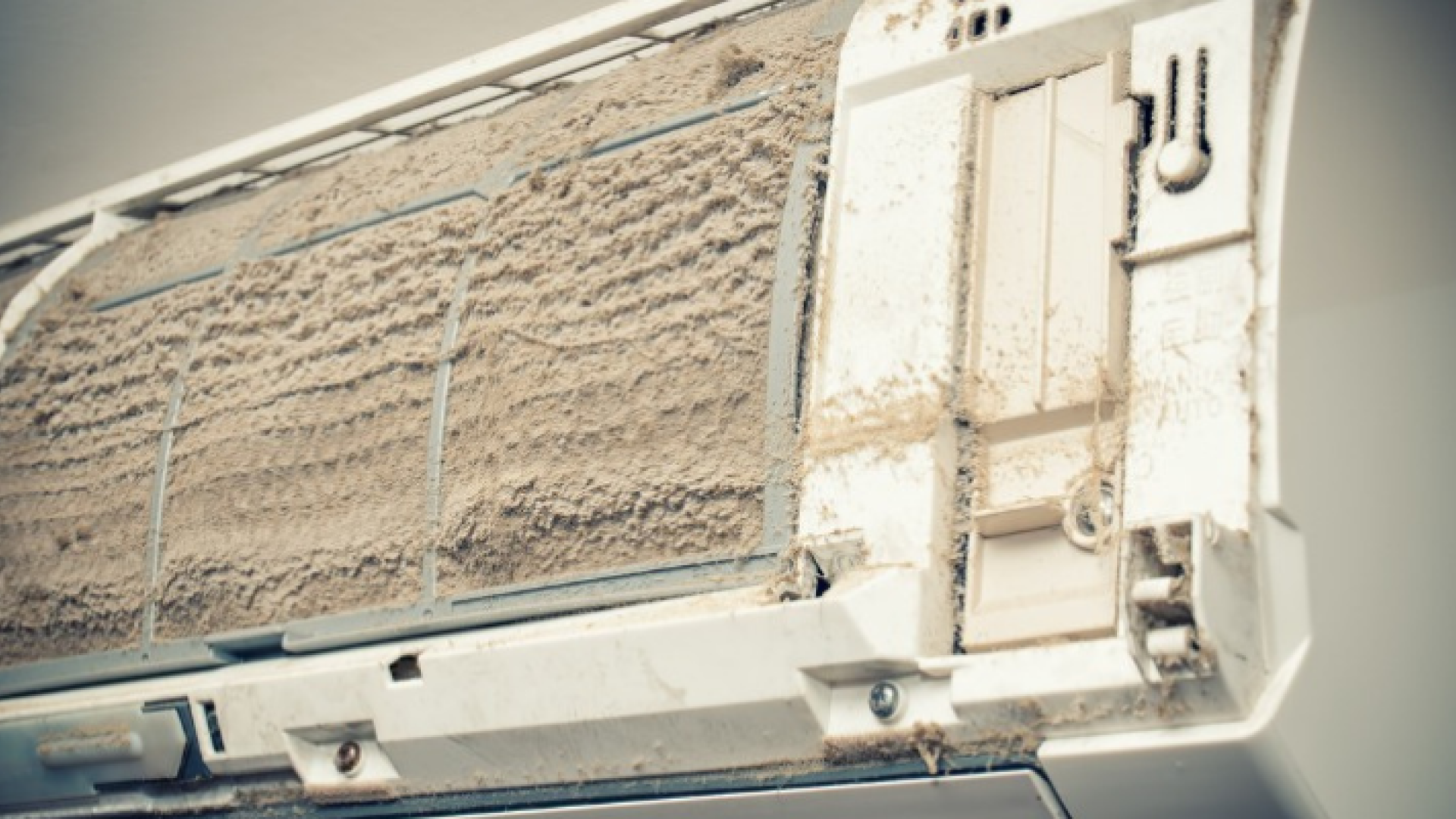
Your HVAC system works hard every day to keep your home or business comfortable. Whether it is handling summer heat or maintaining warmth during colder months, heating and cooling equipment experiences ongoing wear over time. Preventive HVAC maintenance helps reduce that strain by keeping systems clean, inspected, and operating as efficiently as possible.
According to Elite Quality HVAC, preventive maintenance programs are designed to help identify concerns early and support long-term system performance.
Understanding what can happen when preventive HVAC maintenance is skipped can help homeowners and business owners make better decisions about protecting their equipment and indoor comfort.
HVAC Systems Experience Daily Wear and Tear
Every HVAC system contains components that operate regularly throughout the year. Motors, filters, coils, thermostats, and airflow systems all experience gradual wear with continued use.
Without regular maintenance, these components may become:
Dirty
Restricted
Overworked
Less efficient
More vulnerable to breakdowns
Over time, neglected systems often have to work harder to maintain desired indoor temperatures. That additional strain can affect overall performance and reliability.
The residential and commercial HVAC services provided by Elite Quality HVAC Residential HVAC Services and Elite Quality HVAC Commercial HVAC Services are intended to help customers maintain dependable heating and cooling operation through proper service and maintenance.
Property owners can also explore additional maintenance resources through the company’s HVAC blog section, where topics related to efficiency, preventive care, and HVAC reliability are regularly discussed.
Reduced Energy Efficiency
One of the first things many property owners notice after skipping HVAC maintenance is higher energy usage.
When filters become clogged or components are not operating properly, the system often consumes more energy to achieve the same level of comfort. Restricted airflow and dirty system parts can force heating and cooling equipment to run longer cycles.
Common maintenance-related efficiency problems include:
Dirty air filters
Dust buildup on system components
Reduced airflow
Poor thermostat performance
Outdoor unit obstruction
Even small inefficiencies can add up over time, especially during periods of heavy HVAC use.
Businesses looking to reduce operating costs may also find value in reviewing commercial HVAC energy efficiency tips for office buildings, which explains how preventive maintenance supports system efficiency.
Increased Risk of Unexpected Breakdowns
Preventive maintenance is designed to identify potential problems before they become major repairs. When inspections are skipped, developing issues may go unnoticed until the system stops working entirely.
Unexpected HVAC breakdowns can happen during:
Summer heat waves
Cold weather conditions
Periods of peak system demand
Busy business operating hours
Emergency repairs are often more stressful and disruptive than routine maintenance visits.
For commercial properties, HVAC downtime can also impact employees, customers, and daily operations.
Business owners managing larger systems may benefit from understanding the 7 signs your commercial HVAC system needs immediate repair, especially when maintenance has been delayed.
Poor Indoor Comfort
Skipping HVAC maintenance can directly affect indoor comfort levels.
As system performance declines, homeowners and business owners may notice:
Uneven temperatures
Weak airflow
Rooms that never fully cool or heat
Increased humidity indoors
Frequent temperature fluctuations
A properly maintained HVAC system helps support more consistent temperature control throughout the property.
Shortened Equipment Lifespan
Heating and cooling systems represent a significant investment. Regular maintenance helps protect that investment by reducing unnecessary strain on system components.
When maintenance is neglected, parts may wear out faster due to:
Overheating
Restricted airflow
Dirt accumulation
Excessive runtime
Mechanical stress
Systems forced to operate under poor conditions may experience premature failure compared to equipment that receives regular professional service.
According to the Elite Quality HVAC preventive maintenance programs, preventive maintenance is intended to help maintain system performance and identify concerns early before larger problems develop.
Small Problems Often Become Expensive Repairs
One of the biggest reasons preventive maintenance matters is that small issues are typically easier to address than major system failures.
For example:
A dirty filter may eventually affect airflow throughout the system
Loose components can create additional wear
Minor performance issues may place strain on other parts
Unnoticed system inefficiencies can worsen over time
Without regular inspections, these smaller concerns may continue developing until repairs become more extensive and costly.
Indoor Airflow Problems Can Increase
Airflow plays a major role in HVAC performance and indoor comfort. Systems that are not maintained properly may struggle to circulate air effectively throughout the property.
Common airflow issues linked to neglected maintenance include:
Blocked vents
Dirty filters
Reduced airflow pressure
Uneven room temperatures
Poor airflow can make HVAC systems feel less effective even when they continue running frequently.
Thermostat and System Control Issues
Many HVAC performance complaints are connected to thermostat or control problems.
If maintenance is skipped, homeowners or business owners may experience:
Incorrect temperature readings
Inconsistent system cycling
Delayed heating or cooling response
Difficulty maintaining desired temperatures
Routine maintenance helps verify that thermostats and system controls are functioning properly.
Commercial Refrigeration Systems Face Similar Risks
Preventive maintenance is equally important for refrigeration systems used in restaurants, food service businesses, and commercial facilities.
According to Elite Quality HVAC Commercial Refrigeration Services, refrigeration equipment requires dependable operation to support business needs.
Skipping refrigeration maintenance may contribute to:
Inconsistent cooling performance
Increased equipment strain
Unexpected breakdowns
Operational disruptions
Restaurant owners and food service businesses may also benefit from reviewing common commercial refrigeration problems restaurants face and top causes of walk-in cooler failure in commercial kitchens to better understand common refrigeration maintenance challenges.
Warning Signs Your HVAC System May Need Maintenance
Many HVAC systems provide early warning signs before major problems occur. Property owners should pay attention to symptoms such as:
Unusual Sounds
Grinding, rattling, banging, or squealing noises may indicate developing mechanical issues.
Higher Utility Bills
An increase in heating or cooling costs can suggest declining system efficiency.
Frequent Cycling
Systems turning on and off repeatedly may be struggling to operate correctly.
Weak Airflow
Reduced airflow from vents may point to airflow restrictions or component issues.
Uneven Temperatures
Hot and cold spots throughout the property can indicate performance problems.
Addressing these warning signs early may help reduce the likelihood of more serious repairs later.
Property managers operating larger commercial systems may also want to review warning signs your rooftop HVAC unit needs repair for additional insights into system performance concerns.
Preventive Maintenance Helps Support Reliable HVAC Performance
Preventive maintenance is not just about avoiding repairs. It also helps HVAC systems perform more consistently throughout the year.
Routine service may include:
System inspections
Airflow evaluations
Component checks
Filter inspection or replacement
Cleaning of key areas
Identification of worn parts
These services help technicians evaluate overall system condition and address concerns before they escalate.
Businesses with larger HVAC systems may also benefit from understanding how often commercial HVAC systems should be serviced to support long-term system reliability.
Seasonal HVAC Maintenance Is Important
Different seasons place different demands on HVAC equipment.
Spring and Summer
Cooling systems often experience heavier usage during warmer months. Maintenance before peak summer temperatures can help prepare the system for increased demand.
Fall and Winter
Heating systems should also be inspected before colder weather arrives to help support dependable operation during winter conditions.
Seasonal preventive maintenance helps systems remain prepared for changing weather conditions throughout the year.
Preventive Maintenance Helps Protect Comfort and Business Operations
For homeowners, HVAC problems can create uncomfortable indoor conditions and unexpected repair costs.
For businesses, HVAC failures can impact:
Employees
Customers
Productivity
Daily operations
Commercial properties that rely on refrigeration systems may also face operational interruptions if equipment performance declines unexpectedly.
Routine maintenance helps reduce the risk of these disruptions while supporting more dependable system operation.
Why Professional HVAC Maintenance Matters
While homeowners and property managers can perform basic maintenance tasks like checking filters and clearing debris around outdoor units, professional service provides a more complete system evaluation.
According to the information available on the Elite Quality HVAC About Page, the company provides HVAC and refrigeration services focused on quality workmanship and customer service.
Professional technicians can inspect system components, evaluate performance, and identify developing concerns that may not be obvious during routine visual checks.
The Long-Term Cost of Skipping HVAC Maintenance
Many people postpone maintenance to avoid short-term service costs. However, neglected systems often become more expensive to operate and repair over time.
Skipping preventive maintenance may contribute to:
Higher utility bills
More frequent repairs
Reduced system lifespan
Emergency service calls
Greater equipment strain
Preventive care is often one of the most effective ways to support long-term HVAC performance and reliability.
Preventive Maintenance Helps Homeowners and Businesses Stay Prepared
HVAC systems rarely fail at convenient times. Problems often appear when systems are under the greatest demand, such as during extreme temperatures or busy operating periods.
Routine preventive maintenance helps property owners stay proactive rather than reactive.
The preventive maintenance services available through Elite Quality HVAC Preventive Maintenance Programs are intended to help customers maintain reliable system operation and identify concerns before they become larger problems.
Consistent HVAC Care Supports Long-Term Reliability
Skipping preventive HVAC maintenance can gradually affect energy efficiency, indoor comfort, system reliability, and equipment lifespan. Small issues that go unnoticed may eventually turn into costly repairs or unexpected breakdowns.
Routine inspections, airflow evaluations, filter checks, and professional maintenance services all play an important role in helping HVAC and refrigeration systems operate more effectively throughout the year.
Homeowners, business owners, and property managers who stay proactive with preventive maintenance are often better positioned to maintain dependable indoor comfort and reduce avoidable system disruptions.
For additional information about HVAC maintenance, residential HVAC service, commercial HVAC support, or refrigeration solutions, visit the Elite Quality HVAC contact page.
