Heat Pump vs Traditional Air Conditioning: Which Is Better for Homeowners?
Introduction
Choosing a home cooling system is not simply a matter of picking the unit with the lowest price tag. Homeowners also need to think about heating needs, energy use, comfort, installation requirements, maintenance, and long-term operating costs.
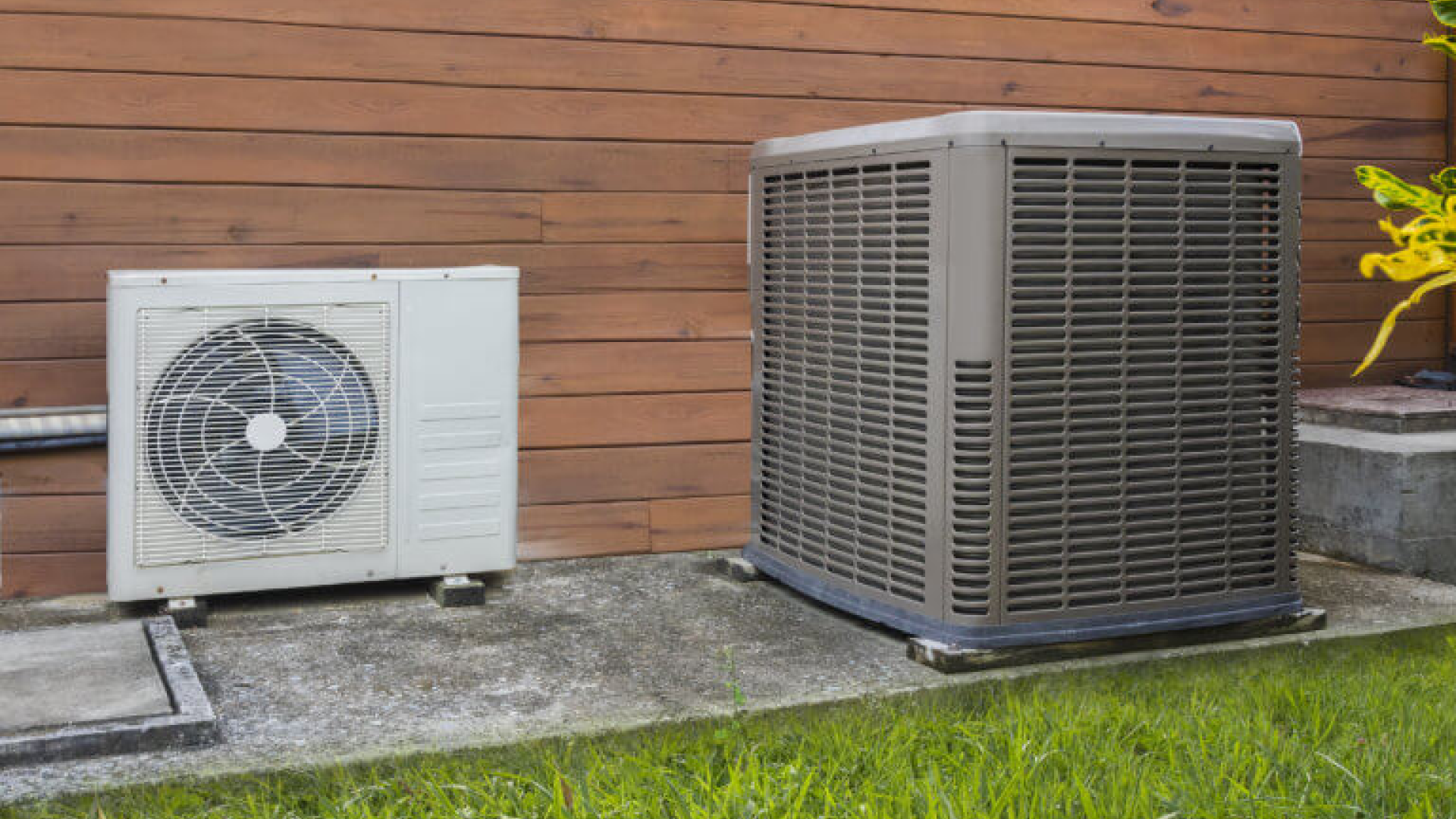
Two of the most common options are a traditional air conditioning system and a heat pump. At first glance, they may seem similar because both can cool a home using refrigeration technology. The major difference is that a heat pump can reverse its operation to provide heating, while a traditional central air conditioner is designed primarily for cooling.
So, which is better for homeowners?
The answer depends on the home's climate, existing heating system, energy priorities, budget, and how the property is used. A heat pump can be an efficient year-round comfort system for many homes, while a traditional air conditioner may make more sense for homeowners who already have an effective heating system and primarily need cooling.
Understanding how both systems work makes the decision much easier.
What Is the Difference Between a Heat Pump and Traditional Air Conditioning?
The simplest distinction is this: a traditional air conditioner moves heat out of your home, while a heat pump can move heat both out of and into your home.
Both systems use a refrigeration cycle involving components such as a compressor, condenser coil, evaporator coil, refrigerant, expansion device, and outdoor fan. The difference is that a heat pump includes a reversing valve that allows the direction of heat transfer to change.
How a Traditional Air Conditioner Works
A central air conditioner removes heat from indoor air and transfers that heat outdoors.
The basic cooling process works like this:
Warm indoor air passes over the indoor evaporator coil.
Refrigerant absorbs heat from the indoor air.
The refrigerant carries that heat toward the outdoor unit.
The compressor increases the refrigerant's pressure and temperature.
The outdoor condenser coil releases heat into the outside air.
The cooled refrigerant returns indoors to repeat the cycle.
The system keeps repeating this process until the thermostat reaches the desired temperature.
A traditional air conditioner does not normally provide heating. Homes using this setup may rely on a furnace, boiler, electric resistance heating, or another heating system during colder months.
How a Heat Pump Works
A heat pump can perform the same basic cooling process during warm weather. The difference appears when the system switches into heating mode.
A reversing valve changes the direction of refrigerant flow. Instead of removing heat from the house and releasing it outdoors, the heat pump extracts available heat from outdoor air and transfers it indoors.
That may sound surprising during cold weather, but outdoor air still contains thermal energy at temperatures below freezing. Heat pumps are designed to capture and transfer that energy, although their performance and heating capacity vary with outdoor temperature and system design.
Heat Pump vs Air Conditioner: Side-by-Side Comparison
A direct comparison can make the decision easier.
FeatureHeat PumpTraditional Air ConditionerCoolingYesYesHeatingYesNoYear-round operationYesCooling onlyReversing valveYesNoSeparate heating system requiredNot alwaysUsuallyEnergy efficiencyCan be highly efficientDepends on system efficiencyCold-weather performanceDepends on model and climateNot applicable for heatingInstallation complexityCan be higherOften simpler if replacing existing ACBest suited forHomes needing heating and coolingHomes with separate heating
Neither option is automatically better for every homeowner. The right choice depends on the home's complete HVAC setup rather than cooling performance alone.
What Are the Benefits of a Heat Pump?
One System Can Provide Heating and Cooling
One of the biggest advantages of a heat pump is its ability to provide both heating and cooling.
Instead of operating a separate air conditioner for summer and furnace or other heating equipment for winter, homeowners can use one heat pump system for both functions.
This can simplify the home's HVAC equipment and, depending on the installation, may reduce the need for separate heating and cooling infrastructure.
Heat Pumps Can Provide Efficient Heating
Heat pumps transfer heat instead of creating heat through combustion or electric resistance.
Because of this operating principle, a properly selected and installed heat pump can provide efficient heating. Actual energy consumption depends on factors such as outdoor temperature, equipment efficiency, thermostat settings, home insulation, ductwork, and system condition.
Homeowners should evaluate the complete system rather than assuming every heat pump will deliver identical results.
They Can Improve Year-Round Comfort
Modern heat pumps can provide consistent heating and cooling when properly sized and installed.
Many systems also offer variable-speed or multi-stage operation, allowing the equipment to adjust output instead of simply running at full capacity whenever there is a call for heating or cooling.
This can contribute to more consistent indoor temperatures and improved humidity management in some homes.
Heat Pumps Can Be a Good Fit for Moderate Climates
Heat pumps are particularly attractive in areas where winters are relatively moderate and prolonged periods of extreme cold are uncommon.
That does not mean heat pumps cannot operate in colder climates. Cold-climate heat pumps are specifically designed for lower outdoor temperatures, although homeowners should select equipment based on local climate conditions and heating requirements.
What Are the Benefits of Traditional Air Conditioning?
Straightforward Cooling Performance
If your primary concern is summer cooling, a traditional central air conditioner can be a practical choice.
It is designed specifically to remove heat from the home and can work alongside an existing furnace or other heating system.
For homeowners who already have reliable heating equipment, replacing an aging air conditioner with another properly sized AC system may be simpler than changing the entire HVAC configuration.
Potentially Lower Replacement Complexity
If an existing central AC system needs replacement but the heating system is still in good condition, homeowners may not need to replace both systems.
A new air conditioner can often work with compatible existing equipment, although system compatibility should always be evaluated by a qualified HVAC professional.
Familiar Maintenance Requirements
Central air conditioning systems have well-established maintenance requirements. Regular filter replacement, coil cleaning, airflow checks, electrical inspections, refrigerant-related diagnostics, and condensate drain maintenance can help keep the system operating properly.
A traditional AC system does not have the additional heating function found in a heat pump, which can make its operating purpose simpler.
Which System Costs More to Install?
Installation cost varies considerably based on the equipment, home layout, electrical requirements, ductwork, existing HVAC system, labor, and local conditions.
A heat pump installation may involve more considerations because the system needs to provide both heating and cooling. In some homes, electrical upgrades or changes to the existing heating arrangement may also need to be considered.
A traditional AC replacement can be more straightforward when compatible heating equipment is already installed.
The best approach is to compare total project cost, not simply the equipment price.
A lower initial price does not necessarily mean lower ownership costs. Homeowners should consider installation, energy consumption, maintenance, expected service life, and whether another heating system will still be required.
Which Is More Energy Efficient?
Energy efficiency is one of the most important differences between these systems, but there is no universal answer that says one will always use less energy.
A heat pump can provide heating by transferring heat rather than generating it directly. During cooling mode, it operates similarly to an air conditioner.
Air conditioners can also be highly efficient, particularly when properly sized, maintained, and matched with compatible indoor equipment.
When comparing systems, homeowners should review the equipment's efficiency ratings and expected operating conditions rather than relying only on the system type.
Why Proper Sizing Matters
Even an efficient HVAC system can perform poorly if it is incorrectly sized.
An oversized air conditioner may cool the home quickly but cycle on and off too frequently. This can affect comfort and humidity control.
An undersized system may run for long periods without adequately maintaining the desired temperature during peak conditions.
Proper load calculations consider factors such as:
Home size and layout
Insulation
Windows and doors
Local climate
Solar exposure
Air leakage
Occupancy
Existing ductwork
A professional HVAC assessment is often more useful than choosing equipment based solely on square footage.
How Does a Heat Pump Perform in Cold Weather?
This is one of the most common questions homeowners have.
Heat pumps can operate in cold weather, but their heating capacity and efficiency vary according to the model and outdoor conditions.
As temperatures fall, extracting heat from outdoor air becomes more challenging. Some heat pumps may use supplemental or backup heat during particularly cold conditions.
Modern cold-climate heat pumps are designed to maintain useful heating performance at lower temperatures, but homeowners should still have the system properly matched to their home's heating load.
The important question is not simply, "Can a heat pump work in cold weather?" It is whether the specific heat pump is appropriate for your climate and home.
What About Maintenance?
Both systems benefit from regular professional HVAC maintenance.
For a heat pump, maintenance applies to both heating and cooling operation. A technician may inspect refrigerant-related components, electrical connections, coils, airflow, controls, condensate drainage, and the reversing valve.
Traditional AC maintenance focuses primarily on cooling operation and related components.
Homeowners should also replace or clean air filters according to the manufacturer's recommendations and household conditions. Homes with pets, high occupancy, construction dust, or other sources of airborne particles may require more frequent filter attention.
Why Preventive Maintenance Matters
HVAC equipment operates under demanding conditions during peak heating and cooling seasons.
Routine inspections can help identify problems such as restricted airflow, dirty coils, electrical issues, unusual refrigerant behavior, worn components, or drainage problems before they develop into more disruptive failures. Enrolling in preventive maintenance programs ensures your equipment receives the care it needs, providing seasonal hvac tune-ups for homes that keep systems running efficiently.
Maintenance cannot guarantee that a system will never break down, but adhering to a residential hvac maintenance checklist for homeowners can help support reliable operation, prevent top residential hvac problems during summer, and maintain efficiency.
Heat Pump vs AC: Which Is Better for Your Home?
There is no single winner.
A heat pump may be the better choice if:
You want one system for heating and cooling.
You are replacing both an aging heating and cooling system.
You live in a climate suitable for heat pump operation.
You want to explore efficient electric heating.
You are building a new home or significantly changing your HVAC system.
You want to reduce reliance on separate heating equipment.
A traditional air conditioner may be the better choice if:
Your existing heating system is reliable.
Your main HVAC need is cooling.
You are replacing an aging AC without changing the heating system.
Your current system configuration makes AC replacement straightforward.
You prefer keeping heating and cooling as separate systems.
The best decision comes from evaluating the home as a complete system.
Common Misconceptions About Heat Pumps
"Heat Pumps Only Work in Warm Climates"
This is outdated thinking.
Heat pumps can operate in cold conditions, and equipment specifically designed for cold climates can provide heating at relatively low outdoor temperatures. However, system selection and proper sizing are critical.
"Heat Pumps Do Not Produce Real Heat"
A heat pump does produce indoor warmth; it simply transfers thermal energy rather than generating heat through the same process as a conventional furnace.
The resulting comfort depends on system design, outdoor conditions, airflow, insulation, and proper installation.
"A Bigger HVAC System Is Always Better"
Larger is not automatically better.
HVAC systems need to be correctly sized for the home's heating and cooling loads. Oversizing can create its own performance and comfort problems.
"The Cheapest System Is the Best Investment"
Purchase price is only one part of HVAC ownership.
Energy use, maintenance, repairs, installation quality, equipment compatibility, and long-term comfort all matter. A slightly higher initial investment may make sense if the system is better suited to the home and its operating needs.
How Should Homeowners Choose Between a Heat Pump and AC?
Before making a decision, work through these steps.
1. Evaluate Your Existing HVAC System
Determine the age, condition, efficiency, and expected remaining service life of your current heating and cooling equipment. Learn how to know when it's time to replace your home air conditioner or spot signs your home hvac system is losing efficiency.
2. Review Your Climate
Consider both summer cooling demands and winter heating requirements. A system should be selected based on year-round conditions.
3. Calculate the Home's Heating and Cooling Load
Do not select equipment based solely on the size of the existing system. A proper load calculation provides a better basis for equipment sizing.
4. Compare Total Ownership Costs
Look beyond the installation quote. Consider energy consumption, maintenance, potential repairs, and whether you will still need separate heating equipment.
5. Check Equipment Compatibility
Existing ductwork, electrical capacity, thermostats, indoor units, and heating equipment may affect your options.
6. Ask About Backup Heating
If you are considering a heat pump, ask how the system will handle periods when outdoor temperatures fall below its most efficient operating range.
7. Prioritize Installation Quality
Even high-quality equipment can perform poorly if it is incorrectly installed.
Proper refrigerant charging, airflow, duct connections, electrical work, drainage, controls, and commissioning all influence system performance.
The Role of Professional HVAC Service
Choosing the right HVAC system is only part of the process. Installation, maintenance, repairs, and system setup all affect how well the equipment performs.
For homeowners considering a new heat pump or air conditioner, a professional home hvac evaluation can help identify the appropriate equipment capacity, compatibility requirements, ductwork concerns, and heating and cooling priorities.
A qualified HVAC contractor can also explain whether replacing one component makes sense or whether a complete system upgrade would provide a better long-term result. If you notice unusual symptoms, like asking why is my home hvac system making unusual noises, professional diagnostics are essential.
For a company serving commercial hvac and commercial refrigeration needs, expertise in system performance, maintenance, troubleshooting, and equipment reliability also reflects the broader importance of professional HVAC workmanship. You can learn more about our standards or contact us directly. Homeowners should apply the same principle when choosing residential HVAC professionals: look for clear recommendations, appropriate sizing, quality installation practices, and straightforward communication. Explore our blog for more residential hvac tips to keep your home comfortable year-round.
Conclusion
So, is a heat pump better than traditional air conditioning?
Not necessarily. The better system depends on what your home needs.
A heat pump can be an excellent option for homeowners who want heating and cooling from one system, particularly when the equipment is properly selected for the local climate and home. A traditional air conditioner remains a sensible choice for homeowners who primarily need cooling and already have dependable heating equipment.
The smartest decision starts with the home's actual heating and cooling requirements. Compare installation costs, efficiency, maintenance needs, equipment compatibility, climate performance, and long-term operating considerations before making a purchase.
Whether you choose a heat pump or traditional central air conditioning, proper sizing, professional installation, regular maintenance, and good airflow are essential to getting dependable performance from your HVAC system.
Frequently Asked Questions
1. Is a heat pump better than an air conditioner?
A heat pump is not automatically better than a traditional air conditioner. A heat pump can provide both heating and cooling, while an air conditioner is designed for cooling. The better option depends on your climate, existing heating system, energy priorities, budget, and home requirements.
2. Can a heat pump replace both an air conditioner and a furnace?
In many homes, a heat pump can provide both cooling and heating, potentially reducing the need for separate equipment. However, whether it can fully replace a furnace depends on the home's heating load, local climate, heat pump model, and whether supplemental or backup heat is needed.
3. Do heat pumps work in cold weather?
Yes. Heat pumps can operate in cold weather, and cold-climate models are designed specifically for lower outdoor temperatures. Their capacity and efficiency vary as temperatures fall, so homeowners should choose equipment appropriate for their local climate and heating requirements.
4. Which costs less to operate, a heat pump or AC?
There is no universal operating-cost winner. A heat pump provides both heating and cooling, while an AC provides cooling only. Energy costs depend on equipment efficiency, climate, utility rates, thermostat settings, insulation, ductwork, maintenance, and how often the system operates.
5. Does a heat pump cool a house as well as an air conditioner?
A properly selected heat pump can provide effective home cooling because its cooling operation uses the same fundamental refrigeration principles as a traditional air conditioner. Cooling performance depends on system capacity, efficiency, installation quality, airflow, and the home's heating and cooling load.
6. How long do heat pumps and air conditioners last?
Service life varies based on equipment quality, installation, climate, operating conditions, maintenance, and usage. Rather than relying on a single lifespan number, homeowners should monitor performance, repair frequency, energy use, and the overall condition of the equipment.
7. Should I replace my AC with a heat pump?
A heat pump may be worth considering if your existing AC and heating system are aging, you want one system for heating and cooling, or you are interested in electric heating. If your heating system is relatively new and reliable, replacing only the AC may be more practical.
8. Does HVAC system size affect energy efficiency?
Yes. An improperly sized system can affect comfort, humidity control, operating cycles, and energy use. HVAC equipment should be selected according to the home's heating and cooling load rather than simply matching the capacity of an older system.
9. How often should HVAC systems be maintained?
Regular professional maintenance is recommended for both heat pumps and traditional air conditioners. The appropriate schedule depends on the equipment, operating conditions, manufacturer's recommendations, and household needs. Filters should also be checked and replaced or cleaned as appropriate.
10. What should I consider before installing a new HVAC system?
Consider your local climate, heating and cooling requirements, equipment efficiency, installation cost, operating expenses, existing ductwork, electrical capacity, maintenance needs, system size, and the condition of your current equipment. A professional evaluation can help determine which option fits your home.