
Top Residential HVAC Problems During Summer
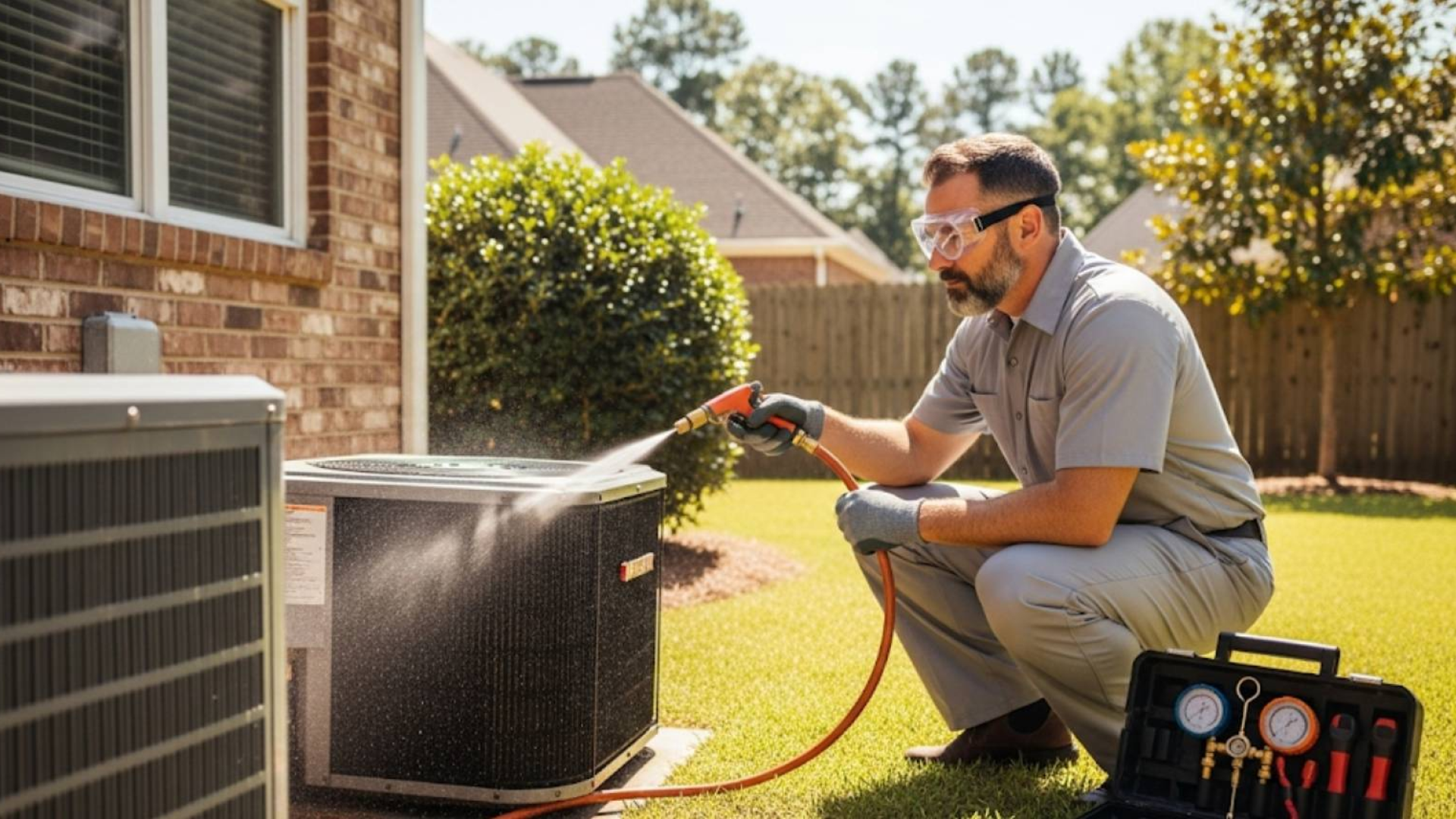
Summer is one of the busiest seasons for residential HVAC systems. As temperatures rise, homeowners depend heavily on their air conditioning systems to maintain a safe and comfortable indoor environment. During this period of intense, peak demand, even small mechanical issues become highly noticeable, rapidly degrading cooling performance, home comfort, and overall system reliability.
Understanding the most common residential HVAC problems during summer allows homeowners to recognize subtle warning signs early. By taking proactive steps, you can avoid a catastrophic system breakdown during the hottest days of the year.
According to the comfort experts at Elite Quality HVAC, regular maintenance and preventive service play an essential role in helping your home's air conditioner operate reliably when you need it most.
Why Summer Places Extra Stress on Your AC System
During the summer months, your air conditioning unit must work overtime, running for extended periods to combat intense outdoor heat and high humidity. This continuous workload places immense thermal and mechanical strain on every component inside the equipment.
Under moderate spring conditions, a struggling system might manage to keep your home comfortable. However, the extreme heat of summer quickly exposes hidden vulnerabilities. Common summer HVAC challenges typically stem from:
Compressed airflow and high static pressure
Degraded cooling and heat-exchange performance
Electrical failures caused by continuous component strain
Lack of lubrication on moving parts
General equipment wear and tear
Scheduling professional, routine evaluations helps identify and correct these hidden weak points before they compromise your household comfort.
The Most Common Summer HVAC Problems Homeowners Face
When residential systems are pushed to their limits, several predictable issues tend to surface. Here is what to look out for this summer:
1. Weak Airflow From Your Vents
If you notice that the air coming from your supply registers feels faint or weak, your system cannot circulate conditioned air effectively. This restriction causes rooms to take significantly longer to cool down, leading to poor air circulation and uneven temperatures. Weak airflow is often caused by a failing blower motor, ductwork leaks, or a heavily restricted filter.
2. Dirty Air Filters
Air filters are simple components, but neglecting them is the root cause of countless system failures. Because AC units run frequently in the summer, filters trap dust, pet dander, and airborne fibers at an accelerated rate.
A clogged filter restricts vital airflow, forcing the system to consume more electricity and causing the internal evaporator coils to drop below freezing. Reviewing a standard residential HVAC maintenance checklist for homeowners is an excellent way to keep your filter replacement schedule on track.
3. Uneven Cooling Between Rooms
Few things are more frustrating than a house where the living room feels ice-cold while the upstairs bedrooms remain uncomfortably hot. This imbalance points to airflow distribution problems, failing dampers, or an improperly sized HVAC system struggling against summer ambient temperatures. If you are experiencing these specific issues, exploring the core reasons commercial AC systems stop cooling properly can shed light on the identical aerodynamic principles that affect residential properties.
4. Excessively Long Cooling Cycles
While an air conditioner will naturally run longer on a scorching afternoon, it should still cycle off once it reaches your thermostat's target temperature. If your unit runs continuously without a break, it is a clear warning sign of declining efficiency, low refrigerant levels, or failing compressors.
5. Sudden Spikes in Energy Bills
Your utility bills are a direct reflection of your HVAC system's mechanical health. If your cooling costs jump drastically compared to the previous month—without an extraordinary change in outdoor weather—your system is working twice as hard as it should. Homeowners can actively fight this trend by learning signs your home hvac system is losing efficiency to spot and stop energy waste.
Neglected Maintenance ➔ System Efficiency Drops ➔ Run Times Extend ➔ Utility Bills Spike
6. Thermostat Inconsistencies
Sometimes, the issue isn't your air conditioner at all, but the thermostat commanding it. A miscalibrated thermostat, dead batteries, or a unit placed in direct sunlight can cause short-cycling, incorrect temperature readings, and unexpected indoor discomfort.
7. Frequent System Short-Cycling
When an air conditioner turns on and off rapidly every few minutes, it is experiencing a condition known as short-cycling. This behavior places tremendous electrical stress on the compressor and fan motors. Short-cycling can be triggered by anything from an oversized unit to a faulty high-pressure safety switch, and it requires immediate professional evaluation.
Outdoor Unit Obstructions: A Preventable Summer Hazard
Your HVAC system relies on a continuous loop of heat transfer. The indoor coil absorbs heat from your home, and the outdoor condenser unit releases that heat into the outside air. To do this, the outdoor compressor requires unobstructed breathing room.
Throughout the summer, your outdoor condenser can easily become choked by yard waste and environmental debris. Homeowners should regularly check the perimeter of the outdoor unit for:
Fallen leaves and twigs
Fresh grass clippings from mowing
Heavy dust, dirt, or mud accumulation on the metal fins
Encroaching bushes, weeds, or vine growth
Maintaining a clear, two-foot clearance zone around your outdoor condenser ensures optimal heat dissipation, preserves system efficiency, and protects key internal components from overheating.
Spotting Early Warning Signs to Avoid Costly Breakdowns
An air conditioning system rarely fails without warning. Being attentive to early symptoms can help you address minor issues before they become catastrophic malfunctions.
Listen for Unusual HVAC Noises
While your system will always make a low hum when running, you should never ignore sudden mechanical changes. Loud grinding, rattling, squealing, or banging sounds usually indicate loose components, failing motor bearings, or a compressor nearing the end of its lifespan. For perspective on what these noises mean for rooftop or split systems, check out our guide on the warning signs your rooftop HVAC unit needs repair.
Pay Attention to Humidity Levels
Your air conditioner is designed to act as a natural dehumidifier as it cools. If your home feels uncomfortably sticky, humid, or clammy despite the air blowing cold, your system's moisture-removal capabilities have broken down. Ignoring this lack of climate control can eventually damage electronics and interior structures, mirror-imaging the damage seen when a commercial freezer is not maintaining temperature in commercial settings.
The Proactive Solution: Seasonal Preventive Maintenance
The single most effective way to protect your home from summer breakdowns is to invest in routine, professional maintenance before the heatwave hits.
Spring Preventive Tune-Up ➔ Optimized Components ➔ Flawless Summer Operation
By enrolling in proactive preventive maintenance programs, homeowners gain the peace of mind that comes with professional oversight. During a seasonal tune-up, certified technicians check electrical connections, test safety controls, clean internal coils, and ensure accurate refrigerant levels.
Taking care of these details early offers the same structural protections that businesses receive, which is laid out in our comprehensive look at how preventive maintenance extends commercial HVAC lifespan. Ultimately, a small investment in seasonal care yields massive returns in comfort, safety, and system longevity.
Why Professional Inspections Matter
Modern residential cooling units are sophisticated systems that involve high-voltage electricity, pressurized chemical refrigerants, and delicate circuitry. Attempting a DIY fix without proper diagnostic equipment can void your manufacturer warranty or cause further mechanical damage.
The dedicated technicians at Elite Quality HVAC combine years of field experience with advanced diagnostic tools to deliver premium care across all residential HVAC services. Our priority is always transparent customer care and precision workmanship, which you can learn more about by reading about Elite Quality HVAC.
Frequently Asked Questions
Why is my air conditioner running constantly but not cooling my home?
This is typically caused by restricted airflow (such as a severely clogged air filter or blocked condenser coils) or a low refrigerant charge due to a leak. When this occurs, the system cannot remove heat from your home efficiently. To avoid a complete motor burnout, read about the 7 signs your commercial hvac system needs immediate repair, as residential units share these exact mechanical red flags.
What are the long-term risks of skipping annual HVAC maintenance?
Skipping your annual checkup leads to higher monthly utility costs, frequent and costly emergency repairs, poor indoor air quality, and premature system failure. To understand how skipping basic maintenance can negatively impact your finances, discover the real-world consequences in our article on what happens when you skip preventive HVAC maintenance.
How often should a home HVAC system be fully inspected and serviced?
Residential HVAC systems should be fully serviced at least twice a year—once in the spring before the cooling season begins, and once in the autumn before the heating system is turned on. While commercial properties follow specialized guidelines regarding how often should commercial HVAC systems be serviced, bi-annual care remains the gold standard for residential structural health.
What are the benefits of a seasonal HVAC tune-up?
A seasonal tune-up optimizes your system's efficiency, keeps your energy bills low, extends the lifespan of the equipment, and ensures that minor mechanical faults are caught before they turn into costly emergencies. Discover how a pre-summer inspection keeps your household comfortable by reading about the benefits of seasonal HVAC tune-ups for homes.
Conclusion: Stay Ahead of the Summer Heat
Summer pushes your residential air conditioner to its absolute absolute limits. Weak airflow, clogged filters, rising energy bills, and unexpected noises are clear warnings that your system is struggling under pressure. By recognizing these indicators early and investing in routine preventive care, you can maintain seamless home comfort, save money on utilities, and prevent sudden, stressful system failures.
For more expert advice, troubleshooting tips, and home comfort strategies, explore our comprehensive blog. Ready to prepare your home for the peak summer heat? Head over to the Elite Quality HVAC Contact Page today to schedule a professional inspection with our local cooling experts.
