
Residential HVAC Maintenance Checklist for Homeowners
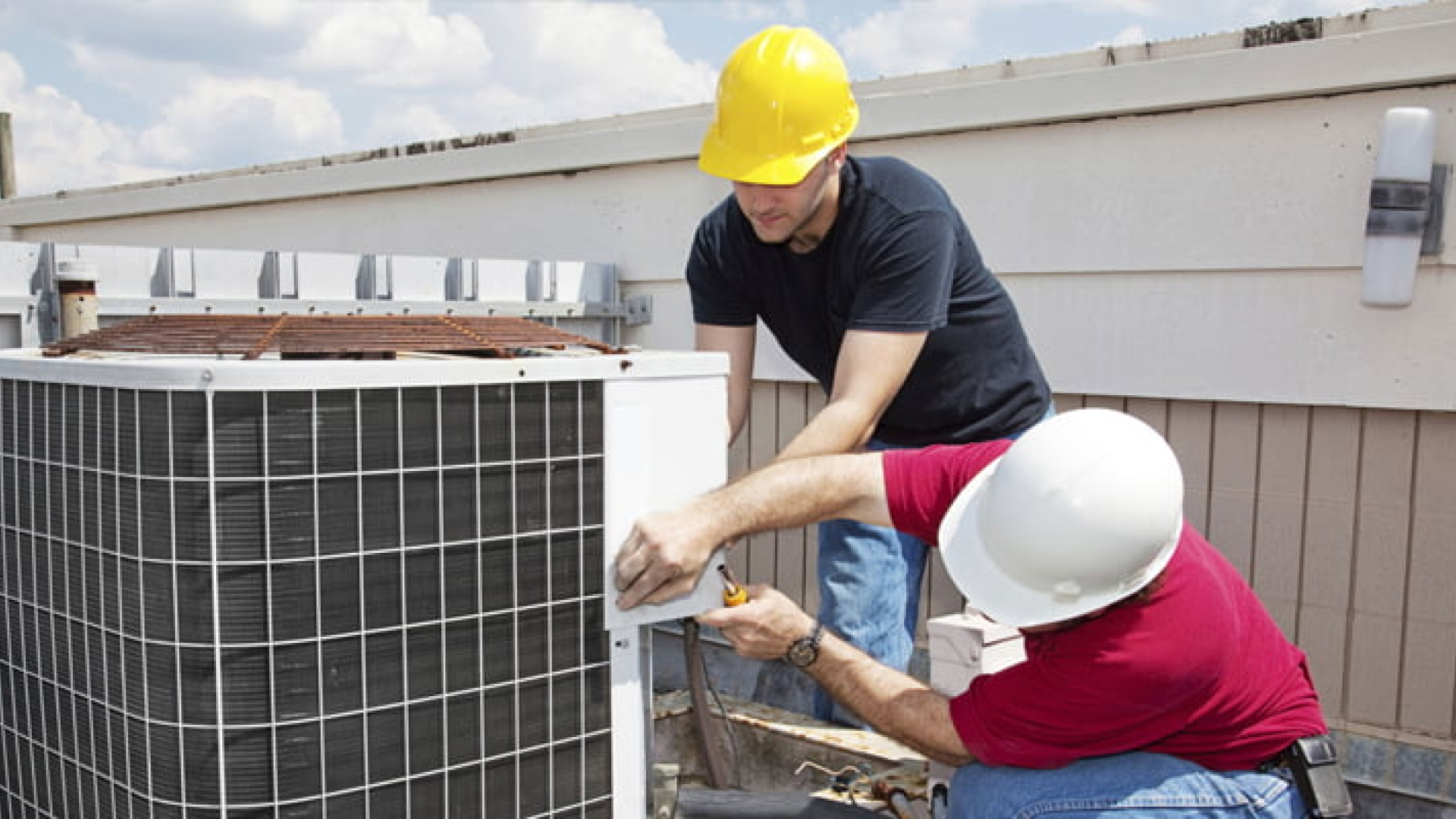
A reliable heating and cooling system plays a major role in keeping your home comfortable throughout the year. Whether temperatures rise during summer or drop during colder months, homeowners depend on their HVAC systems to work efficiently every day. Regular maintenance is one of the most effective ways to protect that investment, improve indoor comfort, and reduce the likelihood of unexpected breakdowns.
According to Elite Quality HVAC, preventive maintenance helps systems operate more efficiently while reducing wear and tear on essential components. For homeowners, staying proactive with HVAC maintenance can help extend equipment life and improve overall performance.
This residential HVAC maintenance checklist explains the essential tasks homeowners should keep in mind throughout the year and when it makes sense to schedule professional service.
Why Residential HVAC Maintenance Matters
Many homeowners only think about their HVAC system when something stops working. Unfortunately, waiting until a problem appears can often lead to higher repair costs and uncomfortable indoor conditions.
Routine HVAC maintenance helps:
Improve energy efficiency
Support more consistent indoor temperatures
Reduce unnecessary system strain
Help identify small issues before they become major repairs
Maintain indoor comfort throughout changing seasons
The residential HVAC services offered by Elite Quality HVAC include installation, repair, and maintenance solutions designed to help homeowners maintain dependable indoor comfort year-round.
Homeowners looking for additional maintenance insights can also explore the company’s regularly updated HVAC blog resources, which cover preventive care, energy efficiency, and common HVAC performance issues.
Change or Inspect Air Filters Regularly
One of the simplest but most important HVAC maintenance tasks is checking the air filter.
Dirty or clogged filters can restrict airflow and make the system work harder than necessary. Restricted airflow may also affect indoor air quality and overall comfort levels inside the home.
Homeowners should inspect filters regularly and replace them when needed based on usage and manufacturer recommendations.
Common signs a filter may need replacement include:
Reduced airflow from vents
Increased dust buildup indoors
Uneven cooling or heating
Higher energy usage
Visible dirt accumulation on the filter
Keeping filters clean helps support proper airflow and allows the HVAC system to operate more efficiently.
Check Thermostat Performance
The thermostat serves as the control center for your HVAC system. If it is not functioning properly, your heating and cooling system may not maintain consistent temperatures.
Homeowners should periodically:
Verify thermostat settings
Test heating and cooling functions
Replace batteries if applicable
Make sure the thermostat responds accurately to temperature changes
If indoor temperatures feel inconsistent or the HVAC system cycles too often, professional inspection may be necessary.
Keep Air Vents and Registers Clear
Blocked air vents can interfere with airflow throughout the home. Furniture, rugs, curtains, or other household items placed over vents may prevent conditioned air from circulating properly.
As part of a regular maintenance routine:
Inspect all supply and return vents
Remove dust buildup around registers
Ensure vents remain open and unobstructed
Check for uneven airflow in different rooms
Proper airflow distribution helps improve comfort and reduces unnecessary strain on the HVAC system.
Inspect Outdoor HVAC Units
Outdoor HVAC components are constantly exposed to weather conditions, debris, and seasonal buildup. Leaves, dirt, grass clippings, and other debris can accumulate around the unit and affect performance.
Homeowners should regularly:
Remove debris around the outdoor unit
Maintain clear space surrounding the system
Visually inspect for damage or unusual buildup
Check for signs of wear or corrosion
Keeping the outdoor unit clean allows for better airflow and helps the system operate more effectively.
Pay Attention to Unusual Sounds or Odors
Strange noises or unusual odors are often early warning signs that something may be wrong with the HVAC system.
Homeowners should not ignore sounds such as:
Banging
Rattling
Grinding
Squealing
Similarly, unusual odors coming from vents or the system itself may indicate airflow issues, electrical concerns, or other system problems.
Prompt attention to these warning signs can help prevent larger repairs later.
For homeowners interested in learning how maintenance prevents larger HVAC issues, the article on why preventive HVAC maintenance saves businesses thousands also highlights the long-term value of routine service and early issue detection.
Monitor System Performance Throughout the Seasons
HVAC demands change throughout the year. Seasonal transitions are a good time to evaluate overall system performance.
During warmer months, homeowners should monitor:
Cooling consistency
Humidity control
Airflow strength
Thermostat responsiveness
During colder months, it is important to observe:
Heating efficiency
Temperature consistency
Startup performance
Overall indoor comfort
If the system struggles to maintain comfort levels, scheduling professional maintenance may help identify underlying issues.
Schedule Professional Preventive Maintenance
While homeowners can handle several basic maintenance tasks, professional HVAC service remains an important part of long-term system care.
According to the preventive maintenance programs offered by Elite Quality HVAC, regular inspections are designed to help identify issues early and maintain reliable system operation.
Professional HVAC maintenance may include:
System inspections
Component testing
Performance evaluations
Cleaning of key system areas
Identification of worn or damaged parts
Routine maintenance visits can help reduce the likelihood of unexpected breakdowns while supporting more efficient operation.
Indoor Comfort and Energy Efficiency Go Hand in Hand
Many homeowners notice rising utility bills when HVAC systems become less efficient. Systems working harder than necessary may consume more energy while delivering reduced comfort.
Routine maintenance can support better efficiency by helping systems operate more smoothly and consistently.
Some common factors that may reduce HVAC efficiency include:
Dirty filters
Restricted airflow
Neglected maintenance
Aging components
Thermostat issues
Maintaining the system properly may help homeowners avoid unnecessary energy waste over time.
Homeowners interested in improving efficiency can also review commercial HVAC energy efficiency tips for office buildings, as many airflow and efficiency principles apply to residential systems as well.
Common Signs Your HVAC System May Need Professional Attention
Even with regular maintenance, HVAC systems can develop issues that require professional diagnosis and repair.
Homeowners should watch for signs such as:
Uneven Temperatures
If some rooms feel significantly warmer or cooler than others, airflow or system performance issues may be present.
Frequent Cycling
Systems that constantly turn on and off may be struggling to maintain desired temperatures.
Weak Airflow
Reduced airflow from vents can indicate restrictions or mechanical problems.
Rising Utility Costs
Unexpected increases in energy bills may suggest declining system efficiency.
Poor Indoor Comfort
If the home never seems comfortable despite thermostat adjustments, the HVAC system may require service.
The home HVAC service team at Elite Quality HVAC helps homeowners diagnose and resolve these types of heating and cooling performance concerns.
The Value of Preventive HVAC Maintenance for Long-Term Reliability
Preventive maintenance is often more affordable and less stressful than emergency repairs. A consistent maintenance routine can help homeowners stay ahead of system issues before they become more serious.
Benefits of ongoing preventive maintenance may include:
Improved system reliability
Reduced risk of breakdowns
Better indoor comfort
Enhanced airflow performance
Longer equipment lifespan
Preventive care also gives homeowners greater confidence that their HVAC system is prepared for seasonal temperature changes.
HVAC Maintenance Tips for Different Times of Year
Spring HVAC Maintenance Checklist
Spring is an ideal time to prepare cooling systems for warmer weather.
Recommended tasks include:
Replacing air filters
Checking thermostat operation
Clearing debris around outdoor units
Inspecting vents and registers
Scheduling professional maintenance
Summer HVAC Maintenance Checklist
During summer, HVAC systems often run more frequently.
Homeowners should:
Monitor cooling consistency
Watch for unusual sounds
Keep outdoor units clear
Inspect airflow regularly
Fall HVAC Maintenance Checklist
Before colder temperatures arrive, homeowners should prepare heating systems for increased use.
Important tasks include:
Replacing filters
Testing heating functions
Checking thermostat settings
Scheduling seasonal inspections
Winter HVAC Maintenance Checklist
During winter months, homeowners should continue monitoring overall system performance.
Focus on:
Consistent heating
Airflow quality
Unusual odors or noises
Indoor comfort levels
How Preventive Maintenance Supports Indoor Air Quality
HVAC systems contribute to overall indoor air circulation throughout the home. When systems are not maintained properly, dust and airflow issues may impact indoor comfort.
Routine maintenance helps support cleaner airflow by encouraging:
Proper filter replacement
Better airflow circulation
Cleaner system operation
Homeowners concerned about indoor comfort and airflow quality can benefit from regular HVAC inspections and maintenance scheduling.
Why Homeowners Choose Professional HVAC Support
Professional HVAC service provides homeowners with experienced system evaluations and maintenance support that may be difficult to perform independently.
According to the information available on the Elite Quality HVAC about page, the company provides HVAC and refrigeration services focused on quality workmanship and customer service.
Professional technicians can help identify concerns that may not be immediately visible to homeowners, including developing mechanical issues or performance inefficiencies.
Businesses and property owners managing larger systems may also benefit from learning about commercial HVAC solutions and commercial refrigeration services, especially when maintaining mixed-use properties or commercial facilities.
HVAC Maintenance and Emergency Repair Prevention
One of the biggest advantages of routine maintenance is reducing the risk of sudden system failures.
Emergency HVAC problems can create major disruptions, especially during periods of extreme heat or cold. Systems that receive consistent maintenance are generally better prepared to handle seasonal demands.
While maintenance cannot eliminate every possible issue, it can often reduce the chances of preventable breakdowns.
Helpful related reading includes:
Residential HVAC Maintenance Checklist Homeowners Can Follow
For quick reference, homeowners can use the following HVAC maintenance checklist throughout the year:
Monthly Checklist
Inspect air filters
Check thermostat performance
Monitor airflow from vents
Listen for unusual sounds
Seasonal Checklist
Clear debris around outdoor units
Inspect vents and registers
Test heating and cooling functions
Evaluate overall comfort levels
Professional Maintenance Checklist
Schedule routine inspections
Address performance concerns early
Discuss preventive maintenance options
Monitor long-term system efficiency
Following a consistent checklist can help homeowners stay proactive about HVAC system care.
Choosing a Preventive Maintenance Program
Preventive maintenance programs can simplify HVAC upkeep by ensuring systems receive regular professional attention.
The preventive maintenance services available through Elite Quality HVAC are intended to help support reliable HVAC and refrigeration performance through ongoing service and inspections.
For homeowners, having a structured maintenance plan can help reduce uncertainty and make seasonal system care easier to manage.
Restaurant owners and commercial property managers can also explore related resources like common commercial refrigeration problems restaurants face and top causes of walk-in cooler failure in commercial kitchens for broader preventive maintenance insights.
Maintaining Comfort Starts With Consistent HVAC Care
A well-maintained HVAC system plays an important role in keeping homes comfortable throughout the year. Regular inspections, filter replacements, airflow checks, and professional preventive maintenance can all contribute to better performance and improved reliability.
Homeowners who stay proactive with HVAC maintenance are often better positioned to reduce system strain, improve efficiency, and avoid unexpected interruptions in comfort.
For homeowners seeking residential HVAC support, preventive maintenance, or system service, the Elite Quality HVAC contact page provides additional information about available services and scheduling options.
