Commercial HVAC Maintenance vs. Reactive Repairs: Which Approach Costs Businesses Less?
Introduction
A commercial HVAC system rarely becomes expensive at the exact moment it fails. The real cost often starts earlier, with a neglected filter, restricted airflow, worn electrical component, dirty coil, refrigerant issue, or another small problem that was never addressed.
For businesses, that distinction matters. A heating or cooling failure can affect employee comfort, customer experience, indoor air quality, equipment performance, inventory, and normal operations. If the same property also depends on commercial refrigeration, an equipment failure can create additional operational concerns.
That leaves many business owners with a practical question: Is it cheaper to maintain commercial HVAC equipment regularly or simply repair it when something breaks?
For most businesses, preventive commercial HVAC maintenance is the more predictable approach. Reactive repairs can sometimes appear less expensive because they avoid scheduled maintenance costs, but an unexpected failure may involve emergency service, disrupted operations, replacement parts, equipment downtime, or a larger repair that could have been identified earlier.
This guide explains the difference between preventive maintenance and reactive HVAC repairs, where each approach fits, what actually drives costs, and how businesses can build a maintenance strategy that makes financial sense.
What Is Preventive Commercial HVAC Maintenance?
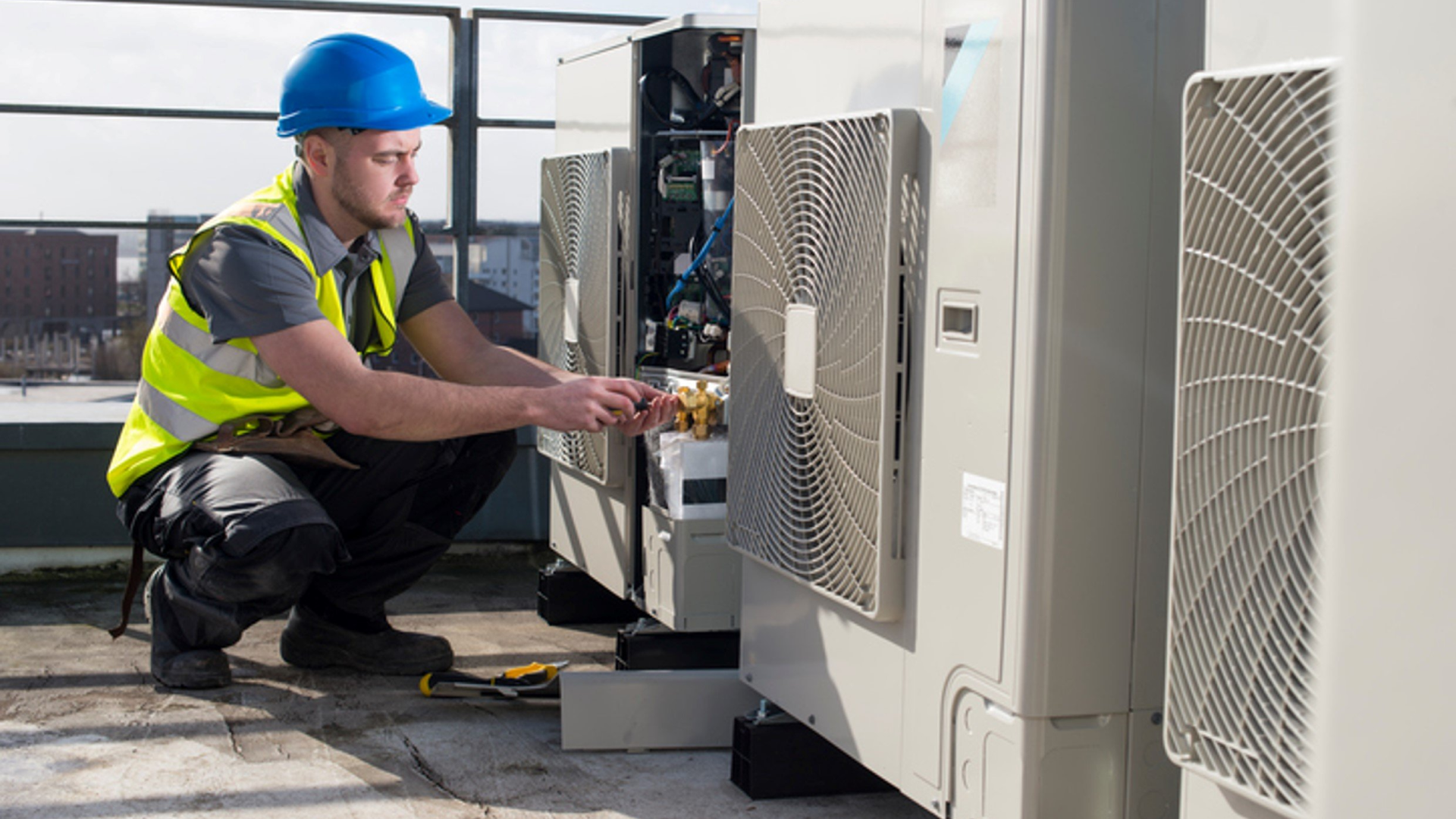
Preventive HVAC maintenance is planned service performed before equipment develops a serious failure. Instead of waiting for a heating or cooling system to stop working, technicians inspect, clean, test, and maintain important components at scheduled intervals.
A commercial HVAC maintenance visit may include tasks such as:
Inspecting electrical connections and components
Checking system operation
Examining belts, bearings, motors, and moving parts
Cleaning coils and other accessible components
Checking filters and airflow
Inspecting condensate drainage
Checking refrigerant-related components when applicable
Testing heating and cooling performance
Looking for signs of wear or developing problems
Recording service findings and recommended repairs
The exact maintenance checklist depends on the type of HVAC equipment, its age, operating conditions, manufacturer requirements, and how heavily the system is used.
Why Preventive Maintenance Is Different From a Basic Inspection
A maintenance appointment should involve more than simply looking at the equipment and saying that it appears to be working.
A proper preventive maintenance program combines inspection with service tasks intended to keep the equipment operating correctly. It also gives technicians an opportunity to identify conditions that could become more expensive problems later.
For example, a technician might find a component showing unusual wear during scheduled service. Addressing that issue during planned maintenance can be easier than discovering it after the component fails during business hours.
What Are Reactive HVAC Repairs?
Reactive HVAC repair follows a different model: the business waits until the equipment develops a noticeable problem and then calls for service.
The trigger could be:
A building that is no longer cooling properly
A heating system that stops producing heat
Unusual noises
Poor airflow
Water around HVAC equipment
Frequent cycling
An unexpected shutdown
Refrigeration equipment failing to maintain the required temperature
A complete system breakdown
Reactive repair is not inherently wrong. Equipment will eventually require repairs, even when it has been properly maintained. The concern is relying on reactive repairs as the primary maintenance strategy.
Why Reactive Repairs Can Become Expensive
The repair itself is only one part of the financial picture.
An unexpected HVAC failure can create other costs for a business. Depending on the situation, the company may have to deal with emergency service, operational interruptions, uncomfortable working conditions, temporary measures, replacement equipment, or additional repairs.
A small issue can also become a larger mechanical problem if the system continues operating while damaged.
For example, a worn component may initially affect system performance without completely stopping the equipment. If the problem continues unchecked, additional components may be placed under unnecessary strain.
Commercial HVAC Maintenance vs. Reactive Repairs: Cost Comparison
The simplest comparison is scheduled expense versus unpredictable expense.
Preventive maintenance creates a planned operating cost. Reactive repairs create costs that are harder to predict because the business does not know when a failure will occur or how extensive the repair will be.
Preventive Maintenance Costs
A maintenance program may involve regular service visits throughout the year. The business knows that these expenses are part of its facility maintenance budget.
That predictability has value.
Scheduled maintenance also gives businesses an opportunity to prioritize repairs. If a technician identifies a developing issue that does not require immediate correction, the business can evaluate the recommendation, budget for the work, and schedule service appropriately.
Reactive Repair Costs
Reactive repair costs vary widely depending on the equipment and failure.
Potential expenses can include:
Diagnostic service
Labor
Replacement components
Emergency or after-hours service
Additional troubleshooting
Temporary operational measures
Lost productivity
Business disruption
Premature equipment replacement
Not every HVAC breakdown creates all of these costs. However, reactive maintenance makes the final expense more difficult to forecast.
Which Approach Usually Costs Less?
For a commercial property that depends heavily on HVAC performance, planned preventive maintenance generally provides better cost control than waiting for major failures.
That does not mean every maintenance visit will prevent a breakdown, and it does not mean every reactive repair will be expensive. The financial advantage comes from reducing avoidable failures, identifying developing problems earlier, and making repair expenses more predictable.
The Hidden Business Costs of HVAC Breakdowns
The invoice from an HVAC technician is only one part of the cost of equipment failure.
Lost Productivity
Employees may have difficulty working comfortably if indoor temperatures become too high or too low. In some environments, temperature control is also necessary for equipment, materials, or production processes.
A malfunctioning HVAC system can turn a technical problem into an operational problem.
Customer Experience
Retail stores, restaurants, offices, healthcare facilities, and other customer-facing businesses depend on a comfortable environment.
Customers may not know what caused an uncomfortable building, but they notice the experience.
Emergency Scheduling
A failure that occurs at an inconvenient time may require urgent service rather than a scheduled appointment.
Emergency situations can also be more difficult to manage because the business is responding to a problem rather than planning around one.
Equipment and Inventory Concerns
Certain businesses depend on controlled temperatures for inventory, materials, or specialized equipment.
Commercial refrigeration is a good example. A refrigeration problem can require quick attention because the equipment's function directly affects business operations and stored products.
How Preventive HVAC Maintenance Can Improve Energy Performance
HVAC equipment has to work properly to deliver heating and cooling efficiently.
Dirty components, restricted airflow, poorly maintained moving parts, and other mechanical problems can affect how a system operates. A system struggling to deliver the desired indoor conditions may run longer or work harder than necessary.
Maintenance does not automatically guarantee lower utility bills. Energy performance depends on many factors, including equipment condition, building design, controls, weather, insulation, occupancy, and operating schedules.
Still, maintaining equipment properly is a sensible part of managing commercial HVAC operating costs.
Airflow Matters
Restricted airflow can affect system performance and comfort.
Filters, coils, ductwork, fans, and other components all play a role in moving conditioned air. A maintenance program helps identify conditions that may interfere with proper airflow.
Equipment Settings and Controls
Commercial HVAC systems often rely on controls, thermostats, sensors, schedules, or building automation systems.
Incorrect settings or faulty controls can cause unnecessary operation or inconsistent comfort. Checking controls during maintenance can help identify these issues before they become persistent operating problems.
How Maintenance Helps Extend Equipment Life
Commercial HVAC equipment represents a significant investment. Businesses naturally want that equipment to remain useful for as long as reasonably possible.
Routine maintenance cannot stop normal wear or make equipment last indefinitely. What it can do is help identify maintenance needs, keep components in proper operating condition, and address developing problems before they cause more extensive damage.
Small Repairs Are Often Easier to Plan
Suppose a technician finds a deteriorating component during a scheduled visit.
The business has choices. It may be able to repair the component immediately, schedule the work for a convenient date, or plan for replacement if the equipment is approaching the end of its useful service life.
That is very different from discovering the same issue after the system has stopped operating.
When Reactive Repairs Make Sense
Preventive maintenance should not be interpreted as "never call for a repair."
Repairs are a normal part of commercial HVAC ownership. Even well-maintained equipment can experience electrical failures, mechanical wear, refrigerant-related issues, control problems, or other unexpected faults.
Reactive repair is appropriate when a system has already developed a problem.
The better strategy is to combine preventive maintenance with responsive repair service.
A business can maintain equipment routinely while still having a plan for unexpected breakdowns.
How to Build a Practical Commercial HVAC Maintenance Strategy
A useful maintenance plan does not have to be complicated.
1. Identify Every Major HVAC System
Start by creating an equipment list.
Record the type of equipment, location, approximate age, manufacturer, model information, and any known service history.
This creates a basic picture of the property's HVAC infrastructure.
2. Review Equipment Operating Conditions
Not every system experiences the same workload.
A system operating long hours in a demanding commercial environment may need a different maintenance approach than equipment used less frequently.
The building's occupancy, operating schedule, indoor environment, and equipment type should all be considered.
3. Follow Manufacturer Recommendations
Manufacturer documentation provides important guidance about inspection and service requirements.
Maintenance should also account for applicable building requirements, safety practices, and the specific recommendations of qualified HVAC professionals.
4. Keep Service Records
Document maintenance visits, repairs, component replacements, recurring problems, and technician recommendations.
Good records help identify patterns.
If the same component repeatedly requires repair, for example, the business may need to consider a larger repair or equipment replacement rather than continuing to address the symptom.
5. Prioritize Repairs by Risk
Not every recommendation requires the same response.
A practical approach is to separate findings into:
Immediate concerns: Problems that could affect safety, operation, or cause significant equipment damage.
Near-term repairs: Issues that should be addressed soon to prevent deterioration.
Routine recommendations: Work that can be planned as part of normal maintenance or budgeting.
This helps businesses make informed decisions instead of treating every maintenance finding as an emergency.
Common Misconceptions About Commercial HVAC Maintenance
"If the System Is Working, It Does Not Need Maintenance"
A system can continue producing heating or cooling while developing a problem.
Unusual sounds, inconsistent temperatures, weak airflow, frequent cycling, water leaks, and unexplained performance changes can all justify professional evaluation.
"Maintenance Means Nothing Will Break"
No maintenance program can guarantee that equipment will never fail.
The purpose of preventive maintenance is risk reduction, early problem identification, equipment care, and better cost predictability—not a promise of zero repairs.
"Reactive Repairs Are Always Cheaper"
A reactive repair may be inexpensive when the underlying issue is minor.
The problem is that businesses cannot reliably predict the timing or severity of future failures. Comparing only the repair invoice can overlook operational disruption and other indirect costs.
"Old Equipment Should Only Be Repaired"
Older equipment deserves a broader financial evaluation.
If a system requires frequent repairs, performs poorly, or has significant replacement needs, continuing to repair it may not always be the best long-term decision. Businesses should compare expected repair costs, operating considerations, equipment condition, and replacement options.
Warning Signs That Commercial HVAC Equipment Needs Attention
Businesses should not wait for a complete breakdown before contacting an HVAC professional.
Potential warning signs include:
Uneven indoor temperatures
Weak or inconsistent airflow
Burning or unusual odors
Water leaks
Repeated equipment shutdowns
Poor heating or cooling performance
Refrigeration equipment struggling to maintain proper operation
One symptom does not automatically identify the cause. A qualified technician should diagnose the equipment rather than relying on assumptions.
A Simple Decision Framework for Business Owners
If you are deciding between preventive maintenance and reactive repairs, ask four questions.
How critical is the equipment to daily operations? The more important the HVAC or refrigeration system is to the business, the greater the value of predictable maintenance.
How old and heavily used is the equipment? Older or heavily used systems may require closer attention because wear-related problems become more relevant over time.
What would a breakdown disrupt? Consider employees, customers, inventory, production, equipment, and operating hours.
Can repairs be planned? If a developing issue can be identified and scheduled before failure, the business has more control over timing and budgeting.
This framework helps move the decision away from "maintenance versus repair" and toward a more practical goal: maintain what can be maintained, repair problems promptly, and replace equipment when continued repair no longer makes financial sense.
Best Practices for Commercial HVAC Cost Control
A strong HVAC maintenance strategy should include more than scheduled technician visits.
Businesses can also:
Replace or service filters according to equipment requirements and operating conditions.
Keep outdoor equipment areas clear of avoidable obstructions.
Pay attention to changes in temperature consistency or airflow.
Report unusual equipment noises promptly.
Avoid ignoring recurring HVAC alarms or shutdowns.
Maintain accurate service records.
Budget for predictable repairs and eventual equipment replacement.
Work with qualified commercial HVAC professionals for diagnosis and service.
Review recurring repair patterns before authorizing another short-term fix.
The goal is not simply to spend money on maintenance. The goal is to make informed decisions about equipment before a preventable problem becomes an operational emergency.
How HVAC Maintenance Fits Into a Broader Business Strategy
Facility performance is only one part of running a successful company, but it can influence how customers and employees experience the business.
For companies investing in digital marketing, the same principle applies: reliable business operations support the customer experience that marketing promises.
A well-maintained facility can complement broader efforts such as website design, local SEO, Google Ads, content marketing, branding, and digital marketing strategy. For commercial service companies, strong online visibility may bring in leads, but dependable operations and professional service determine what happens after those leads contact the business.
AI marketing and AI search optimization can also help businesses answer customer questions before a service call. Educational content about maintenance, repair warning signs, equipment care, and operating considerations can provide useful information to customers researching commercial HVAC services through Google and AI-powered search platforms.
What Businesses Should Do Next
The most practical approach is to stop treating HVAC maintenance as an unexpected expense and start treating it as part of facility planning.
Review the condition of your equipment. Look at your previous repair history. Identify systems that are critical to daily operations, and determine which components or units need more consistent attention.
Then work with a qualified HVAC professional to establish a maintenance schedule appropriate for the equipment and operating environment.
The right plan will vary from business to business. A restaurant, office building, retail store, warehouse, and industrial facility may have very different HVAC requirements.
Conclusion
The question is not simply whether commercial HVAC maintenance costs money. It does. The more useful question is whether planned maintenance gives a business better control over the costs and risks associated with operating essential equipment.
Reactive repairs will always have a place because mechanical equipment can fail unexpectedly. However, relying exclusively on breakdowns to determine when HVAC service is needed can make expenses less predictable and may expose the business to avoidable disruption.
Preventive commercial HVAC maintenance provides a more organized way to inspect equipment, identify developing problems, plan repairs, support reliable operation, and manage long-term facility expenses.
For most businesses, the strongest strategy is not maintenance instead of repairs. It is maintenance plus timely repairs, supported by good records and thoughtful equipment planning.
A commercial HVAC system is part of the business infrastructure. Treating it that way can help owners make better decisions before a small maintenance issue becomes a major operational problem.
Frequently Asked Questions
1. Is preventive commercial HVAC maintenance cheaper than reactive repairs?
Preventive maintenance can provide better cost control because service is planned and developing issues may be identified before failure. Reactive repairs can be less predictable, particularly when breakdowns interrupt normal business operations.
2. How often should commercial HVAC systems be maintained?
The appropriate schedule depends on equipment type, manufacturer recommendations, operating hours, environmental conditions, and system workload. A qualified HVAC professional can recommend how often commercial HVAC systems should be serviced based on the property's specific equipment.
3. What does commercial HVAC preventive maintenance include?
A maintenance visit may include system inspection, filter and airflow checks, electrical and mechanical component inspection, coil cleaning, condensate checks, control testing, performance evaluation, and identification of developing problems.
4. Can regular HVAC maintenance reduce energy costs?
Proper maintenance can support efficient equipment operation, but savings are not guaranteed. Energy consumption also depends on equipment condition, building characteristics, controls, weather, occupancy, insulation, and operating schedules.
5. Can HVAC maintenance prevent unexpected breakdowns?
Maintenance can reduce the risk of some avoidable failures by identifying wear, poor performance, or developing problems. It cannot eliminate unexpected breakdowns because equipment can still experience sudden mechanical or electrical failures.
6. Is commercial HVAC maintenance necessary for newer equipment?
Newer equipment can still benefit from appropriate inspection and maintenance. Following manufacturer recommendations and addressing problems early can help protect equipment performance and identify issues before they develop into larger concerns.
7. What are the signs that a commercial HVAC system needs repair?
Common signs your commercial HVAC system needs immediate repair include unusual noises, weak airflow, inconsistent temperatures, frequent cycling, water leaks, unusual odors, repeated shutdowns, and declining heating or cooling performance. Professional diagnosis is needed to determine the cause.
8. Should businesses repair or replace an older commercial HVAC system?
The decision depends on equipment condition, repair history, operating performance, expected future repairs, and replacement considerations. A qualified HVAC professional can help compare continued repair with replacement based on the specific system.
9. Does commercial refrigeration also need preventive maintenance?
Yes. Commercial refrigeration equipment can benefit from planned inspection and maintenance. The appropriate service requirements depend on the refrigeration system, operating conditions, manufacturer guidance, and the needs of the business.
10. How can a business create a commercial HVAC maintenance plan?
Start by listing all HVAC equipment, reviewing manufacturer recommendations and service history, identifying critical systems, and discussing operating conditions with a qualified commercial HVAC professional. Documenting maintenance and repairs can also improve long-term planning.