How Commercial HVAC Maintenance Agreements Work and What Businesses Should Look For
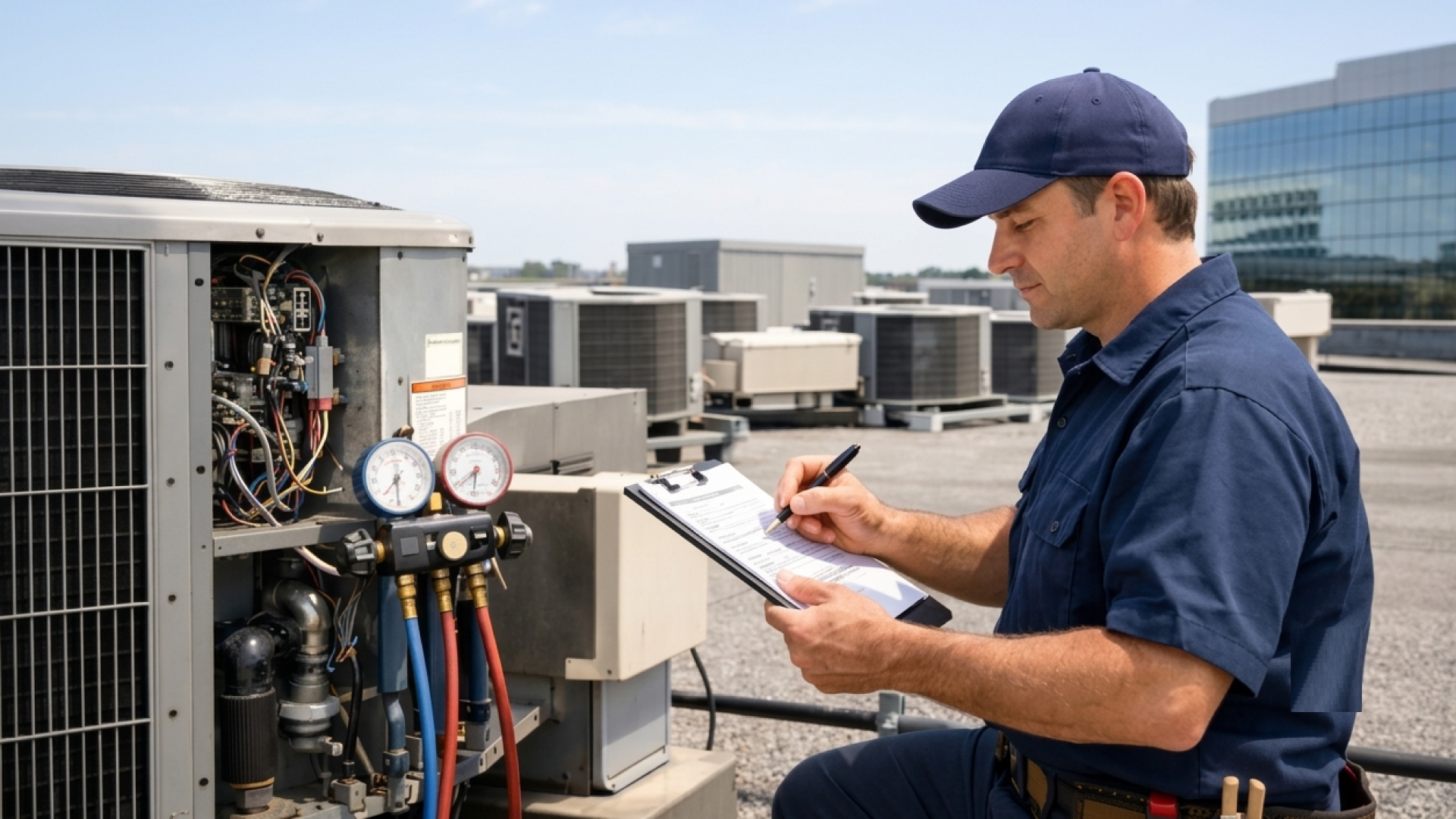
Introduction
A commercial HVAC system is responsible for much more than keeping a building comfortable. Heating and cooling equipment can affect employee comfort, indoor air quality, energy consumption, equipment reliability, and the day-to-day operation of a business. In facilities that depend on refrigeration, temperature control can also be directly connected to inventory and product protection.
That is why many businesses choose a commercial HVAC maintenance agreement instead of waiting until equipment breaks down. A maintenance agreement creates a planned schedule for inspecting, cleaning, testing, and servicing HVAC and refrigeration equipment before minor issues become disruptive problems.
But not every agreement provides the same level of coverage. Businesses should understand what a maintenance contract includes, how often service is performed, what equipment is covered, what happens during an emergency, and which costs are included or billed separately.
A well-designed commercial HVAC maintenance agreement should make responsibilities clear for both the business owner and the service provider. It should support preventive maintenance, improve equipment oversight, and make HVAC expenses easier to plan.
What Is a Commercial HVAC Maintenance Agreement?
A commercial HVAC maintenance agreement is a service contract between a business and an HVAC company that establishes scheduled maintenance for heating, cooling, ventilation, and sometimes refrigeration equipment.
Instead of contacting a contractor only when a system stops working, the business receives routine professional inspections based on an agreed service schedule. The exact services depend on the equipment, building requirements, operating conditions, and terms of the contract.
A typical agreement may include:
Scheduled HVAC inspections
Preventive maintenance visits
Filter inspection or replacement
Coil cleaning
Electrical component checks
Refrigerant system inspection
Thermostat and control testing
Safety checks
Belt and motor inspection
Drain line and condensate system checks
Airflow evaluation
Priority response options
Maintenance reports and recommendations
The agreement should clearly identify which services are included and which repairs, replacement parts, or emergency services cost extra.
How a Maintenance Agreement Differs From On-Demand Service
With on-demand HVAC service, a business contacts a contractor after a problem develops. The technician diagnoses the issue and performs the necessary repair based on the situation.
A maintenance agreement takes a more proactive approach. The service provider visits according to a predetermined schedule and checks equipment even when it appears to be operating normally.
This distinction matters because HVAC problems do not always produce obvious warning signs. A system may continue cooling while a component is wearing out, airflow is declining, or electrical connections are deteriorating.
Routine inspections give technicians an opportunity to identify developing problems before they become major service issues.
How Commercial HVAC Maintenance Agreements Work
Although contracts vary between providers, most commercial HVAC maintenance agreements follow a relatively straightforward process.
1. The Equipment Is Assessed
The relationship typically begins with an assessment of the business's HVAC and refrigeration equipment. A technician may review:
Equipment type and model
Age and condition
Previous repair history
Manufacturer recommendations
Operating hours
Building usage
Known performance issues
Refrigeration requirements
Existing maintenance needs
This initial assessment helps determine what type of maintenance schedule makes sense. A small office with a few rooftop units may require a different maintenance plan from a restaurant, retail location, warehouse, grocery facility, or commercial kitchen.
2. A Maintenance Schedule Is Established
The business and HVAC provider agree on a service frequency. Some equipment may need maintenance once or twice a year, while heavily used commercial systems may require more frequent attention. The appropriate schedule depends on factors such as equipment type, operating conditions, manufacturer recommendations, and the consequences of equipment failure.
A good agreement should state the expected frequency rather than using vague language such as "regular maintenance."
3. Preventive Maintenance Is Performed
During scheduled visits, technicians inspect and service the covered equipment. The exact checklist depends on the system. For example, an air-conditioning maintenance visit may involve checking electrical components, coils, airflow, condensate drainage, motors, controls, and other operating components. Heating equipment may require different inspections, while commercial refrigeration systems have their own maintenance requirements.
4. Problems Are Documented
If a technician discovers a developing problem, it should be documented and explained to the business. For example, a technician might identify a worn belt, restricted airflow, unusual electrical reading, deteriorating component, or drainage issue.
The purpose is not simply to identify problems. A useful maintenance agreement gives the business enough information to decide what should be addressed immediately and what can reasonably be scheduled later.
5. Repairs Are Recommended Separately When Necessary
Preventive maintenance and repairs are not always the same thing. Routine maintenance may identify a component that needs replacement. Unless the contract specifically includes that repair, the replacement may be billed separately. Businesses should understand this distinction before signing an agreement.
What Should a Commercial HVAC Maintenance Agreement Include?
The most valuable part of a maintenance agreement is its scope of work. A business should know exactly what it is paying for.
Equipment Covered
The contract should identify the HVAC and refrigeration equipment included in the agreement. This could include:
Rooftop HVAC units
Split systems
Packaged units
Heat pumps
Furnaces
Air handlers
Exhaust and ventilation equipment
Commercial refrigeration systems
Reach-in refrigeration equipment
Thermostats and building controls
Do not assume every piece of equipment at a facility is automatically covered.
Scheduled Maintenance Tasks
The agreement should provide enough detail to explain what technicians will inspect and maintain. Depending on the equipment, services may include cleaning coils, checking filters, inspecting electrical connections, testing controls, checking motors and belts, inspecting drainage systems, and evaluating system operation.
For refrigeration equipment, maintenance may include checking temperature performance, condenser condition, controls, fans, door seals, and other system components.
Service Frequency
Look for specific information about how often maintenance visits occur. A contract should identify the number of planned visits and, where appropriate, explain how seasonal maintenance is handled.
For example, commercial cooling equipment may benefit from preparation before peak cooling season, while heating equipment should be inspected before extended heating operation.
Maintenance Reports
Documentation is an often-overlooked part of HVAC maintenance. After a service visit, the business should ideally receive a record showing what was inspected, what was serviced, what problems were discovered, and whether follow-up work was recommended. These records can help property managers and business owners track equipment condition over time.
What Are the Benefits of a Commercial HVAC Maintenance Agreement?
A maintenance agreement is not simply a recurring service appointment. Its main purpose is to create a consistent maintenance process.
Fewer Preventable Problems: Regular inspections can identify certain developing problems before they cause a complete equipment failure. This does not mean preventive maintenance eliminates breakdowns. Mechanical and electrical components can still fail unexpectedly. However, routine inspection gives businesses an opportunity to address known issues before they become more disruptive.
Better Equipment Oversight: Commercial buildings often contain multiple HVAC systems installed at different times. Without organized records, it can be difficult to remember which units were serviced, which components were replaced, and which systems are showing signs of wear. A maintenance agreement creates a more structured approach to equipment management.
More Predictable Maintenance Costs: Unexpected HVAC repairs can make budgeting difficult. A maintenance agreement creates a recurring maintenance expense that can be easier to anticipate. Businesses should still budget separately for repairs, replacement parts, and eventual equipment replacement unless those items are specifically included in the contract.
Improved Operating Reliability: A poorly maintained HVAC system can develop airflow, drainage, electrical, mechanical, or control problems. Routine service helps keep equipment inspected and operating according to its intended design. For businesses, consistent system operation can be especially important during periods of extreme outdoor temperatures.
Potential Energy Efficiency Improvements: Dirty coils, restricted airflow, malfunctioning components, and poorly maintained equipment can affect system performance. Preventive maintenance can help identify conditions that may be reducing efficiency. However, maintenance should not be treated as a guarantee of lower operating costs. Building conditions, equipment age, controls, weather, occupancy, and operating practices all influence energy consumption.
What Businesses Should Look For Before Signing a Maintenance Agreement
Choosing a maintenance contract based only on the lowest price can create problems later. The better question is: What exactly am I receiving for the price?
Clear Scope of Work
The contract should explain the maintenance tasks in practical terms. Avoid agreements that provide only broad statements such as "complete HVAC maintenance" without describing what that means.
Transparent Pricing
Ask whether the quoted price covers labor only, scheduled maintenance, filters, replacement parts, emergency service, or other items. A lower monthly or annual price may not actually be less expensive if many necessary services are excluded.
Emergency Service Terms
Find out what happens if the HVAC system fails between scheduled maintenance visits. Some contracts may provide priority scheduling, while others may offer different response arrangements.
The agreement should clearly explain:
Emergency service availability
Response expectations
After-hours charges
Holiday or weekend policies
Labor rates
Parts charges
Never assume emergency service is included unless the contract says so.
Qualified Technicians
Commercial HVAC systems can be complex, particularly when a facility contains multiple equipment types or refrigeration systems. Businesses should consider the provider's experience with commercial equipment and how to choose the right commercial HVAC contractor for their property.
Maintenance Documentation
Ask whether the provider supplies service reports. Good documentation can help facility managers understand recurring problems and make informed decisions about repair or replacement.
Manufacturer Requirements
Some equipment manufacturers specify maintenance procedures that should be followed to support proper operation and, where applicable, warranty requirements. A maintenance provider should understand the equipment being serviced and follow appropriate manufacturer guidance.
Questions to Ask Before Signing a Commercial HVAC Contract
Before agreeing to a maintenance plan, ask direct questions:
Which HVAC and refrigeration systems are covered?
How many preventive maintenance visits are included each year?
What tasks are performed during each visit?
Are filters included?
Are replacement parts included?
Are repairs included or billed separately?
Is emergency service available?
Are after-hours labor charges different?
Will we receive written service reports?
How are newly installed or replacement units added to the agreement?
Clear answers can prevent misunderstandings later.
Common Mistakes Businesses Make With HVAC Maintenance Agreements
Even a maintenance agreement can be ineffective if the contract is poorly structured or the business does not understand its responsibilities.
Choosing Based Only on Price: The cheapest agreement may provide fewer visits, limited inspections, or significant exclusions. Compare the actual scope of work rather than comparing prices alone.
Assuming Maintenance Includes Repairs: Preventive maintenance and repair work are separate services unless the contract specifically combines them. A business should know whether replacement parts, refrigerant, diagnostic labor, and major repairs are included.
Ignoring Refrigeration Equipment: Businesses that rely on refrigeration should make sure those systems are specifically listed in the agreement. A contract designed primarily for office HVAC equipment may not provide adequate coverage for commercial refrigeration systems.
Skipping Documentation: If service reports are not reviewed, recurring issues may go unnoticed. Managers should pay attention to repeated recommendations. A component that appears in multiple reports may deserve a closer evaluation.
Waiting Until Equipment Fails: A maintenance agreement works best when the business actually follows the planned schedule. What happens when you skip preventive HVAC maintenance is that visits get repeatedly postponed, making the preventive side of the agreement ineffective.
Preventive Maintenance vs. Equipment Replacement
Maintenance can extend the useful operation of equipment, but every HVAC system eventually reaches what is the average lifespan of a commercial HVAC system. Repeated repairs, declining performance, outdated equipment, difficult-to-source parts, or increasing maintenance requirements may indicate that replacement should be considered.
A good commercial HVAC provider should be able to explain the condition of the equipment and present practical options rather than simply recommending replacement without context.
Businesses can then weigh commercial refrigeration repair vs. replacement or evaluate what business owners should know before replacing a commercial HVAC system to compare the cost and operational impact of continued repairs against new equipment.
How to Make the Most of an HVAC Maintenance Agreement
A contract becomes more useful when the business treats maintenance as part of facility management rather than an isolated service expense.
Keep equipment records organized. Track recurring issues and repair recommendations. Make sure building staff know how to report unusual noises, temperature changes, water leaks, airflow problems, or other warning signs.
It is also helpful to review the maintenance agreement periodically. Business operations change. Equipment may be added, removed, replaced, or repurposed. The maintenance plan should continue to reflect the actual needs of the facility.
A Practical Example of a Commercial Maintenance Agreement
Consider a business operating a facility with several rooftop HVAC units and commercial refrigeration equipment.
Instead of calling for service only after a unit stops working, the business establishes a scheduled maintenance agreement. Technicians visit according to the agreed schedule, inspect the equipment, perform specified maintenance, and document their findings.
During one visit, the technician discovers that an HVAC component is showing signs of wear. The issue is documented and explained to the facility manager.
Because the problem was identified during routine maintenance, the business has time to evaluate the repair before the component causes an unexpected shutdown.
That is the basic value of preventive maintenance: better information, planned service, and fewer avoidable surprises.
When Should a Business Consider a Maintenance Agreement?
A maintenance agreement can be particularly useful when HVAC or refrigeration equipment is essential to daily operations.
Businesses may want to consider one if they:
Operate multiple HVAC systems
Depend on commercial refrigeration
Have long operating hours
Cannot easily tolerate temperature-related disruptions
Manage a large commercial facility
Want scheduled maintenance rather than reactive service
Need better maintenance documentation
Want a consistent service relationship
The right decision ultimately depends on the equipment, building, operating environment, and business priorities.
Conclusion
A commercial HVAC maintenance agreement provides a structured way to keep heating, cooling, ventilation, and refrigeration equipment under regular professional attention. Rather than treating maintenance as something that happens only after a breakdown, businesses can establish scheduled inspections, documented service, and a clearer process for addressing developing problems.
The best agreement is not necessarily the cheapest one. Businesses should look for a clearly defined scope of work, appropriate service frequency, transparent pricing, qualified technicians, detailed maintenance reports, and clearly stated terms for repairs and emergency service.
Before signing, review every inclusion and exclusion. Make sure the equipment listed in the contract matches what is actually operating in the facility, and ask questions about parts, labor, emergency calls, and follow-up repairs.
For businesses that depend on reliable HVAC or refrigeration, preventive maintenance is ultimately about being prepared. Regular professional service can give facility managers better visibility into equipment condition and help them make repair, maintenance, and replacement decisions with fewer surprises.
Frequently Asked Questions
What is included in a commercial HVAC maintenance agreement?
A commercial HVAC maintenance agreement commonly includes scheduled inspections and preventive maintenance for covered equipment. Depending on the contract, services may include cleaning, filter checks, electrical inspections, airflow checks, control testing, and equipment performance evaluations.
How often should commercial HVAC systems be serviced?
Service frequency depends on the type of equipment, operating conditions, building use, manufacturer recommendations, and the consequences of equipment failure. A qualified commercial HVAC professional can recommend a schedule based on the facility's specific requirements.
Does a commercial HVAC maintenance agreement include repairs?
Not necessarily. Many agreements cover scheduled preventive maintenance while repairs, replacement parts, refrigerant, or major corrective work are billed separately. The contract should clearly explain what is included before service begins.
Are commercial refrigeration systems included in HVAC maintenance contracts?
They can be, but businesses should confirm this in writing. Commercial refrigeration equipment has different maintenance requirements from many standard HVAC systems, so the agreement should specifically identify coolers, freezers, refrigeration units, or other covered equipment.
Is emergency HVAC service included in a maintenance agreement?
It depends on the contract. Some agreements include priority service or specific emergency provisions, while emergency commercial HVAC repairs may carry different after-hours rates depending on the contract terms.
Can preventive HVAC maintenance help reduce operating costs?
Regular maintenance can help identify conditions that may reduce equipment performance, such as restricted airflow, dirty components, or developing mechanical problems. Actual operating costs depend on equipment condition, usage, controls, weather, and other building factors.
What should businesses look for in a commercial HVAC maintenance company?
Businesses should evaluate commercial HVAC experience, technician qualifications, maintenance procedures, documentation, response policies, contract terms, and experience with the specific equipment installed at the property. Clear communication and transparent pricing are also important.
Is a maintenance agreement worth it for a small business?
It can be, particularly when HVAC equipment is essential to daily operations or an unexpected failure would significantly disrupt the business. The value depends on the equipment, service requirements, contract pricing, and level of coverage provided.
What happens if a technician finds a problem during scheduled maintenance?
The technician should document the issue and explain its condition and recommended next steps. Depending on the contract, the business may approve a separate repair, schedule follow-up work, or monitor the issue if immediate correction is not necessary.
How can businesses compare different HVAC maintenance agreements?
Compare the actual scope of work rather than price alone. Review equipment coverage, maintenance frequency, included tasks, emergency service, labor, parts, reporting, exclusions, cancellation terms, and additional charges. A detailed agreement makes comparisons much easier.