
Why Your Commercial HVAC System Keeps Short Cycling
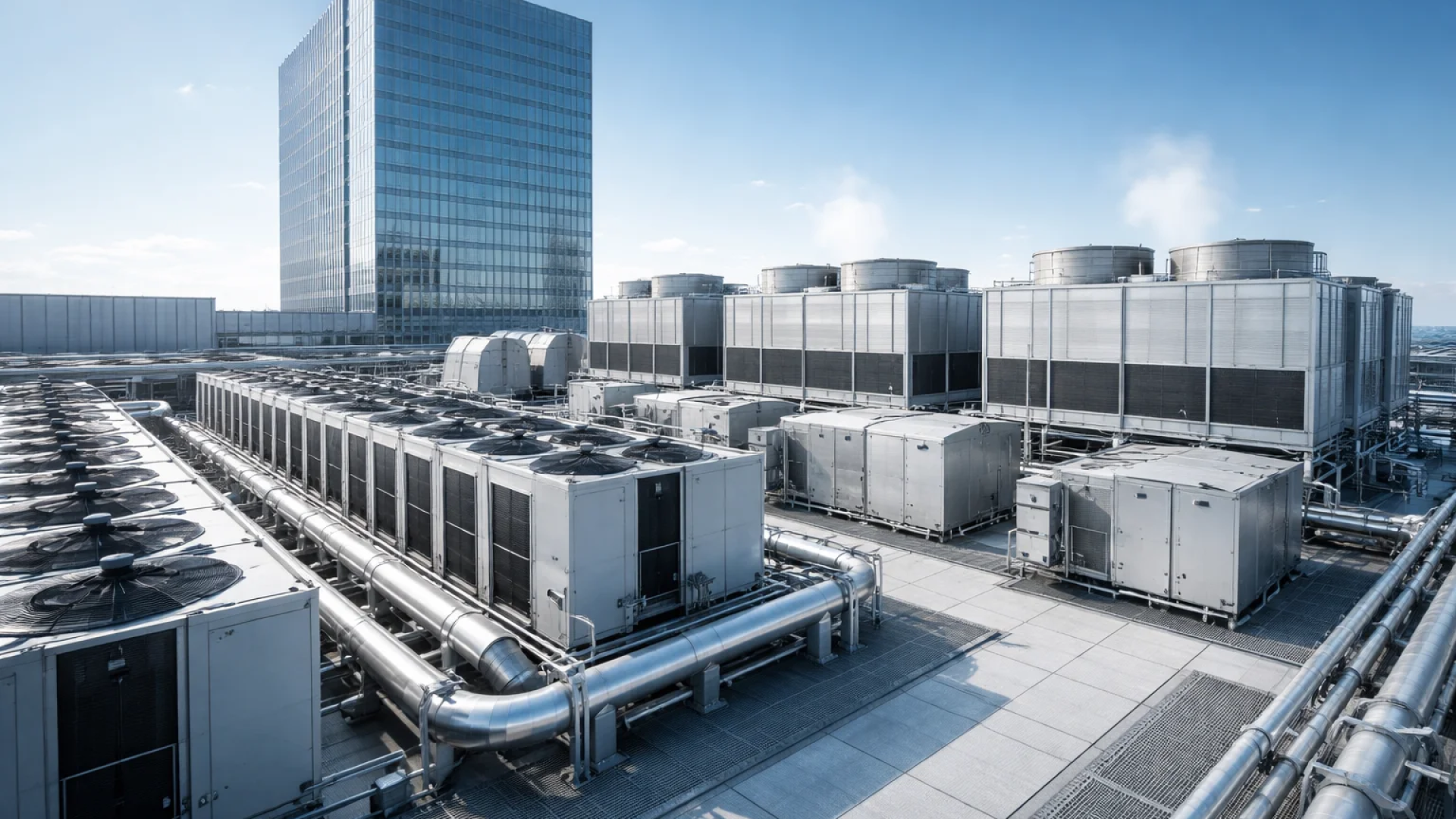
A commercial HVAC system is designed to operate in regular cycles that maintain comfortable indoor temperatures while supporting efficient performance. When a system begins turning on and off more frequently than normal, it may be experiencing a condition known as short cycling.
Short cycling occurs when an HVAC system starts, runs for a brief period, shuts down, and then restarts again sooner than expected. While it may seem like a minor inconvenience at first, repeated short cycling can place additional strain on HVAC equipment and affect overall building comfort.
For business owners, property managers, and facility operators, understanding the causes of short cycling can help prevent unnecessary wear on equipment and reduce the risk of larger system issues.
What Is HVAC Short Cycling?
Short cycling refers to a situation where an HVAC system cannot complete a normal heating or cooling cycle. Instead of running long enough to properly condition the space, the system repeatedly starts and stops.
A properly functioning commercial HVAC system should operate long enough to maintain desired temperatures efficiently. When short cycling occurs, the equipment works harder than necessary because of the repeated startup process. Over time, this pattern can affect system performance and reliability.
Why Short Cycling Is a Serious Concern
Many business owners assume that if their HVAC system is still producing heating or cooling, everything is working correctly. However, short cycling often indicates an underlying issue and serves as one of the major signs your commercial HVAC system needs immediate repair.
Frequent cycling can lead to:
Increased equipment wear
Reduced system efficiency
Higher operating costs
Inconsistent indoor temperatures
Increased likelihood of unexpected breakdowns
Reduced occupant comfort
Because commercial HVAC systems are essential to daily operations, addressing short cycling early can help prevent larger disruptions.
Dirty Air Filters Can Restrict Airflow
One of the most common causes of HVAC short cycling is restricted airflow. When air filters become clogged with dust and debris, airflow throughout the system can be reduced. Restricted airflow may cause the system to work harder and affect overall performance.
In some situations, poor airflow can contribute to overheating or operational issues that trigger premature system shutdowns. It is also a leading factor in how dirty HVAC filters affect commercial energy bills. Regular filter inspections and replacement are important components of preventive HVAC maintenance.
Thermostat Issues May Trigger Frequent Cycling
The thermostat serves as the control center for an HVAC system. If a thermostat is malfunctioning or incorrectly positioned within the building, it may send inaccurate signals to the HVAC equipment. This can result in the system turning on and off more frequently than necessary.
Common thermostat-related issues include:
Incorrect temperature readings
Faulty sensors
Calibration problems
Communication issues between controls and equipment
A professional HVAC inspection can help determine whether thermostat performance is contributing to short cycling.
HVAC Components May Be Experiencing Wear
Commercial HVAC systems contain numerous components that work together to maintain building comfort. Over time, normal wear and tear can affect:
Motors
Electrical connections
Control systems
Mechanical components
When critical components begin to wear or malfunction, the system may struggle to complete normal operating cycles. Routine inspections can help identify developing issues before they lead to more significant equipment problems.
Poor Maintenance Can Increase Short Cycling Risks
Many short cycling issues can be linked to insufficient maintenance. Commercial HVAC equipment requires regular inspections and servicing to support reliable operation. Without routine maintenance, small performance issues can develop into larger operational concerns.
Investing in proactive care shows why preventive HVAC maintenance saves businesses thousands by catching issues early. Preventive maintenance helps technicians identify:
Airflow restrictions
Worn components
Electrical concerns
System performance issues
Developing equipment problems
Addressing these issues proactively can help reduce the likelihood of short cycling.
Inconsistent Building Temperatures
One of the most noticeable signs of short cycling is uneven indoor comfort. Because the HVAC system shuts off before completing a normal cycle, some areas of the building may never reach the desired temperature.
Occupants may notice:
Hot and cold spots
Frequent temperature fluctuations
Difficulty maintaining comfort
Increased comfort complaints
For commercial properties, these issues can affect employee productivity, tenant satisfaction, and customer experiences.
Electrical Issues Can Affect HVAC Operation
Commercial HVAC systems depend on electrical components to operate properly. Problems involving electrical connections, controls, or other system components may interfere with normal operation and contribute to short cycling.
Electrical concerns should always be evaluated by qualified HVAC professionals who can safely inspect and diagnose the issue. Ignoring electrical problems may increase the risk of further equipment damage.
Short Cycling Can Increase Equipment Wear
Every time an HVAC system starts, various components experience stress. When a system repeatedly starts and stops throughout the day, those components may experience more wear than they would during normal operation.
Frequent cycling can place additional demands on:
Motors
Compressors
Electrical components
Control systems
Reducing unnecessary cycling helps support long-term equipment reliability and extends commercial HVAC lifespan.
Rising Operating Costs May Be a Warning Sign
Short cycling can affect operating efficiency. Because startup periods often require significant energy, repeated cycling may increase overall system workload. As a result, building owners and managers may notice higher utility costs without a corresponding improvement in comfort.
While many factors can influence energy usage, unexplained increases may warrant an HVAC system inspection. Identifying the root cause of short cycling can help restore proper operation and improve system performance.
The Importance of Professional HVAC Inspections
Diagnosing short cycling often requires a comprehensive evaluation of the HVAC system. Because multiple factors can contribute to frequent cycling, professional technicians can inspect equipment, assess performance, and identify potential causes.
There are clear reasons why businesses need routine HVAC inspections. A thorough inspection may help uncover:
Airflow problems
Thermostat issues
Electrical concerns
Mechanical wear
Maintenance-related issues
Early diagnosis can help prevent minor concerns from becoming major repairs.
How Preventive Maintenance Helps Reduce Short Cycling
One of the most effective ways to reduce the risk of short cycling is through routine preventive maintenance. Elite Quality HVAC offers preventive maintenance programs designed to help businesses maintain their HVAC and refrigeration systems. Regular maintenance allows technicians to evaluate equipment performance and identify developing issues before they lead to operational disruptions.
Preventive maintenance can help support:
Reliable system operation
Improved equipment performance
Early issue detection
Reduced risk of unexpected breakdowns
Better overall system dependability
For commercial property managers and business owners, preventive maintenance is an important part of protecting HVAC investments.
Commercial Buildings Depend on Reliable HVAC Performance
Whether managing an office building, retail center, restaurant, warehouse, or other commercial property, HVAC reliability plays a critical role in daily operations. Short cycling may seem like a small issue initially, but it can affect comfort, equipment performance, and operational efficiency over time.
Addressing HVAC concerns promptly helps support:
Consistent indoor comfort
Reliable building operations
Reduced downtime
Improved occupant satisfaction
Long-term equipment performance
Taking a proactive approach can help businesses avoid unnecessary disruptions and maintain comfortable indoor environments.
When to Call HVAC Professionals
If your commercial HVAC system is repeatedly turning on and off, it is important to have the equipment inspected as soon as possible. Some warning signs include:
Frequent system cycling
Uneven temperatures throughout the building
Unusual HVAC noises
Increased energy costs
Reduced heating or cooling performance
Ongoing comfort complaints from occupants
Professional evaluation can help determine the cause of the issue and identify the most appropriate solution.
Why Partnering With an Experienced HVAC Provider Matters
Commercial HVAC systems are complex and require knowledgeable service professionals to maintain and diagnose properly.
Elite Quality HVAC provides commercial HVAC services, residential HVAC services, commercial refrigeration services, and preventive maintenance programs. Their experience working with HVAC and refrigeration systems allows them to help businesses maintain critical equipment and support ongoing operational needs. Having access to experienced HVAC professionals can make it easier to identify issues early and maintain dependable system performance.
FAQs About Commercial HVAC Short Cycling
What is HVAC short cycling?
Short cycling occurs when an HVAC system turns on and off more frequently than normal without completing a full heating or cooling cycle.
Why is short cycling a problem?
Short cycling can increase equipment wear, affect indoor comfort, reduce efficiency, and increase the likelihood of unexpected system issues.
Can dirty air filters cause short cycling?
Restricted airflow caused by dirty air filters can contribute to HVAC performance problems that may lead to short cycling.
Can thermostat problems cause short cycling?
Yes. Faulty thermostats, inaccurate temperature readings, or control issues may cause an HVAC system to cycle more frequently than necessary.
How can preventive maintenance help?
Preventive maintenance helps identify airflow restrictions, worn components, and other developing issues that may contribute to short cycling.
When should a commercial HVAC system be inspected?
If a system is cycling frequently, struggling to maintain temperatures, or showing signs of reduced performance, a professional HVAC inspection is recommended.
