
How Dirty HVAC Filters Affect Commercial Energy Bills
Commercial HVAC systems play a vital role in maintaining comfortable indoor temperatures for employees, customers, tenants, and visitors. Whether serving an office building, retail store, restaurant, warehouse, or other commercial property, these systems often operate for extended hours every day.
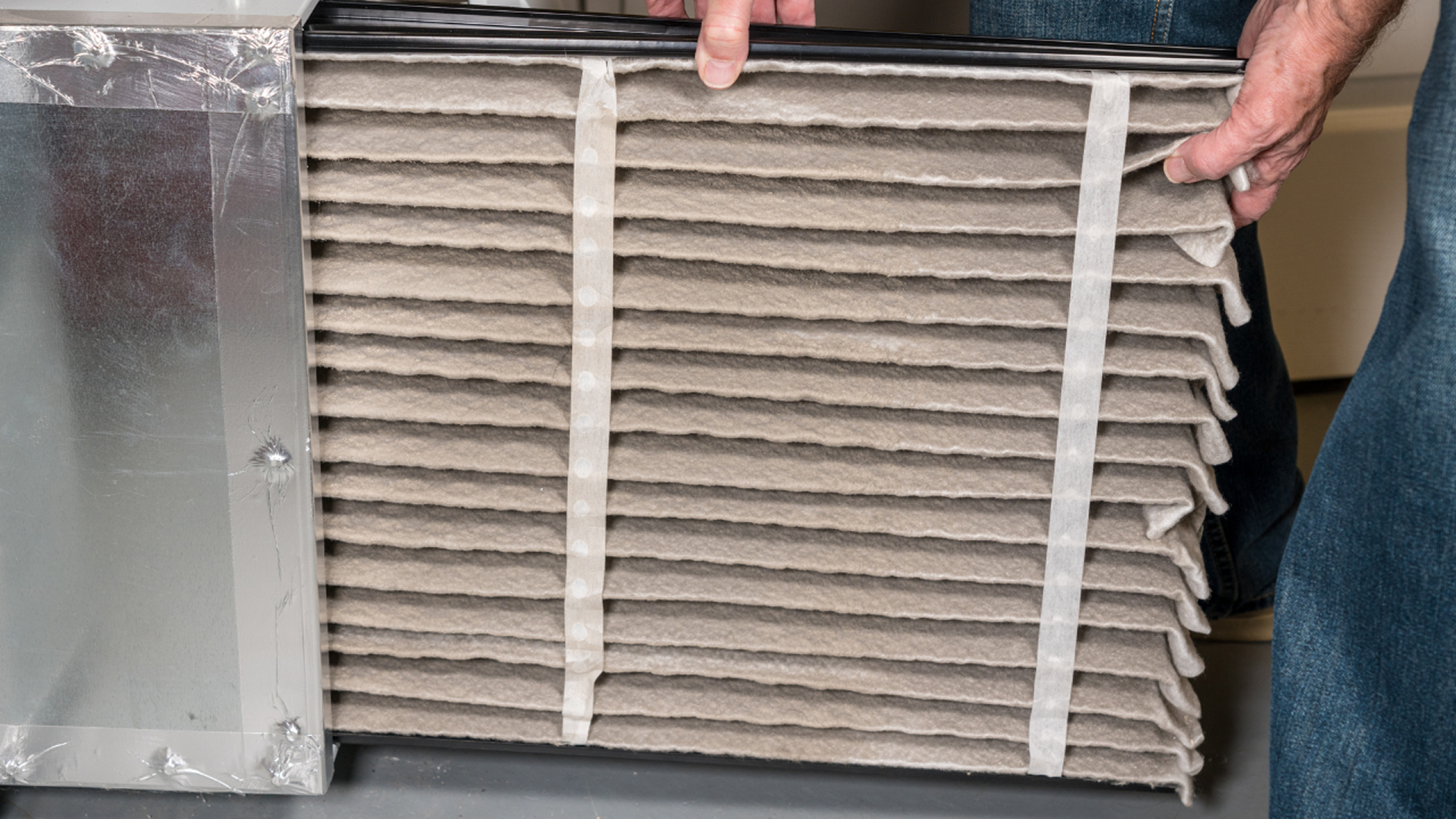
One of the most overlooked components of a commercial HVAC system is the air filter. While filters may seem like a small part of the overall system, they can have a significant impact on HVAC performance and energy efficiency. When filters become dirty or clogged, they restrict airflow, increase mechanical strain, and contribute directly to higher monthly energy costs.
According to the experts at Elite Quality HVAC, routine maintenance plays an essential role in supporting reliable HVAC operation and helping businesses identify minor filter and airflow issues before they evolve into major capital expenses.
Why HVAC Filters Matter More Than You Think
Air filters do more than just clean the air inside your building; they are fundamental to maintaining proper fluid dynamics and airflow throughout a commercial HVAC system. As air circulates through your facility, filters capture airborne particles, protecting sensitive internal components like evaporator coils and blower motors from dust accumulation.
A clean, properly functioning filter supports:
Consistent and balanced airflow
Reliable, long-term HVAC performance
Steady indoor comfort and relative humidity control
Highly efficient system operation
Over time, filters naturally collect a dense layer of dust, pollen, fibers, and debris. Without regular inspection and replacement, they become heavily restricted, fundamentally altering the system's ability to operate efficiently.
The Direct Link Between Dirty Filters and Rising Energy Bills
When an air filter becomes clogged, it creates a high-pressure barrier that severely restricts the volume of air passing through the ventilation system. This restriction forces your heating and cooling equipment to work significantly harder to move air throughout the property.
Clogged Filter ➔ Restricted Airflow ➔ Increased Fan Workload ➔ Skyrocketing Energy Usage
This restriction impacts your energy bills in several distinct ways:
1. Extended Operating Cycles (Longer Run Times)
A commercial HVAC system is designed to cycle on and off efficiently once it reaches the designated thermostat setting. However, when airflow is choked by a dirty filter, the system cannot distribute conditioned air effectively. As a result, your air conditioners or heating systems must run for extended periods to reach the set temperature. These longer run times translate directly into higher kilowatt-hour consumption.
2. Reduced Heat Transfer Efficiency
In the summer, a lack of adequate airflow over the evaporator coil prevents the system from removing heat from your building efficiently. This can cause the coil temperature to drop too low, sometimes leading to a completely frozen system. For businesses struggling with high electricity costs during peak seasons, understanding how to reduce commercial cooling costs during summer starts with maintaining clean filters to ensure optimal heat exchange.
3. Accelerated Mechanical Strain
When the system continuously fights against a clogged filter, the blower motor draws more electrical current to overcome the static pressure. This added workload doesn't just waste energy; it rapidly wears out expensive components, leading to a situation where your commercial HVAC system needs immediate repair due to a burned-out motor or failed compressor.
Warning Signs That Your HVAC Filters Need Attention
An inefficient HVAC system will usually drop hints before it breaks down completely. Facility managers and business owners should watch closely for these common indicators:
Rising Utility Costs: If your energy bills are steadily climbing without major changes in weather or building usage, a blocked filter is often the prime suspect.
Weak or Diminished Airflow: Feeling a noticeable drop in the volume of air coming out of supply vents signals that air is struggling to pass through the filter media.
Uneven Temperatures and Hot Spots: Restricted airflow leads to poor air mixing, creating distinct hot and cold spots across different office zones or retail aisles. This imbalance is one of the most common reasons commercial AC systems stop cooling properly.
Rapid Component Aging: Hearing unusual noises as the blower struggles against high static pressure is a classic sign of trouble. Ignoring these signs can lead to severe issues, which you can learn to spot in our guide on the warning signs your rooftop HVAC unit needs repair.
Commercial Facilities Face the Highest Risk
Many commercial buildings place heavy, continuous demands on their climate control equipment. Properties such as office spaces, busy retail centers, high-traffic restaurants, and massive warehouses operate on strict schedules where system downtime is not an option.
Because these systems experience substantial daily workloads, even minor airflow restrictions can have a magnified effect on overall energy usage. Furthermore, neglecting your ventilation filters degrades the building's breathing environment. Maintaining clean filters supports the importance of indoor air quality in commercial buildings, protecting employee productivity and customer health.
Seasonal Demands Multiply the Problem
Filter issues become significantly more problematic during peak weather seasons. In the dead of summer or the freezing depths of winter, your HVAC equipment already runs at near-maximum capacity. If a system is forced to fight a clogged filter during these peak periods, the risk of a complete system breakdown skyrockets.
Broader Impacts on Facility Systems
The performance of your ambient HVAC system directly impacts other temperature-dependent systems within your facility—especially commercial refrigeration.
Poor HVAC Airflow ➔ Higher Ambient Facility Temperatures ➔ Increased Commercial Refrigeration Workload
In environments like commercial kitchens or grocery stores, if the ambient HVAC system fails to keep the facility cool due to dirty filters, nearby commercial freezers and walk-in coolers must run constantly to maintain their internal settings. This interconnected strain can cause common commercial refrigeration problems restaurants face, such as compressor failure or ice buildup.
To protect your cold storage inventory and maintain health code compliance, businesses must understand why commercial refrigeration maintenance matters for food safety and implement a holistic facility maintenance strategy.
Preventative Solutions: The Value of Professional Inspections
The easiest way to prevent dirty filters from inflating your energy bills is to establish a structured, proactive service plan. While changing a filter seems like a simple task, commercial systems often feature complex multi-filter configurations, specialized MERV ratings, and complex economizers that require professional handling.
By enrolling in comprehensive preventive maintenance programs, your facility benefits from regular, scheduled filter optimizations. Professional technicians don't just swap out the filter media; they analyze the structural health of the unit, clean the coils, check refrigerant levels, and ensure that your specialized commercial HVAC services and commercial refrigeration services run at peak efficiency.
To learn more about our foundational commitment to elite workmanship and transparent customer care, visit the About Elite Quality HVAC page.
Frequently Asked Questions
How often should commercial HVAC filters be changed?
In most standard office and retail spaces, commercial filters should be inspected and replaced every 1 to 3 months. However, in high-dust environments like warehouses, or high-grease settings like restaurants, filters may need to be changed monthly. For a deeper look at comprehensive commercial intervals, see our expert guide on how often should commercial HVAC systems be serviced.
What happens to a commercial HVAC system if maintenance is neglected?
Skipping routine maintenance leads to restricted airflow, spiked energy bills, frequent component failures, and a drastically shortened equipment lifespan. Review our detailed analysis on what happens when you skip preventive HVAC maintenance to understand the true financial risks of deferred service.
Can a dirty HVAC filter cause my commercial refrigeration to fail?
Yes, indirectly. When dirty HVAC filters cause indoor building temperatures to rise, commercial kitchen or storage refrigeration units must work much harder to reject heat into the warmer room. This added strain can trigger a walk-in cooler failure in commercial kitchens or explain why your commercial freezer is not maintaining temperature.
Do residential properties experience the same filter issues?
Absolutely. While residential systems are smaller, a clogged filter will similarly cause a residential system to drop in efficiency. Homeowners can track their system's health using a standard residential HVAC maintenance checklist and watch out for clear signs your home hvac system is losing efficiency.
Conclusion: Small Tasks Yield Big Savings
Air filters are a physically small component of a commercial facility, but ignoring them has massive, compounding financial consequences. Clogged filters are the single most common and completely preventable cause of declining HVAC efficiency and rising energy bills.
By prioritizing regular filter inspections and partnering with certified technicians for comprehensive maintenance, your business can minimize energy waste, protect expensive equipment assets, and maintain a perfectly comfortable environment for everyone who walks through your doors.
For more valuable strategies on managing your facility's energy costs, explore our specialized commercial blog. Ready to optimize your system's performance and slash your utility expenses? Head over to the Elite Quality HVAC Contact Page today to consult with our commercial service experts.
