What Causes Excess Moisture Around Commercial Refrigeration Units?
Introduction
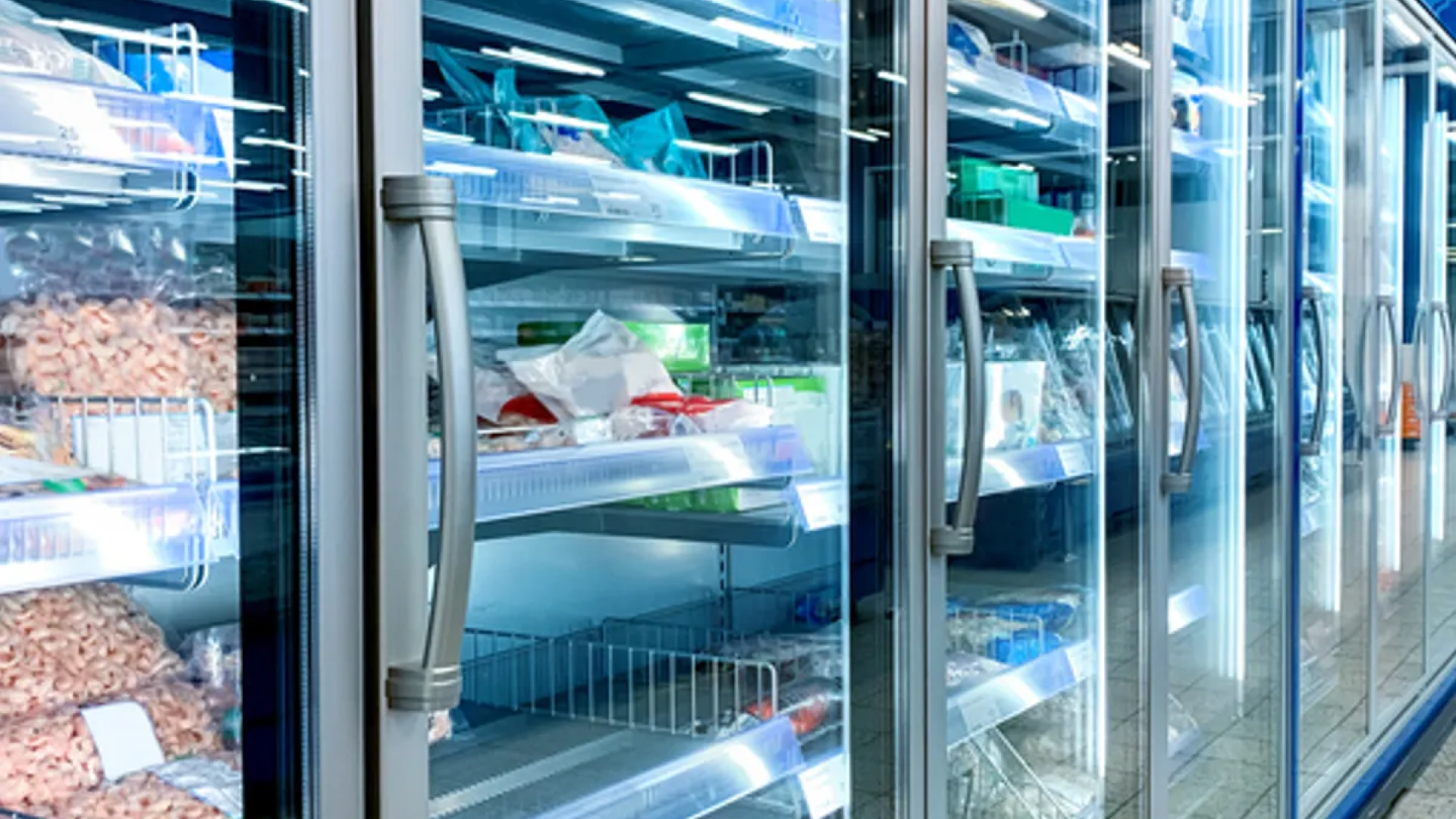
Water around a commercial refrigerator, freezer, walk-in cooler, or display case is easy to dismiss as a cleaning issue. Sometimes it is. Other times, that puddle is the first visible sign of a drainage problem, failing door gasket, blocked airflow, excessive condensation, or refrigeration system issue.
Commercial refrigeration equipment naturally creates moisture as part of normal operation. Cold surfaces can cause water vapor to condense, and defrost cycles can produce additional water that must be collected and drained properly. Problems arise when that moisture is produced in unusual amounts or cannot move away from the equipment as designed.
Excess moisture around a commercial refrigeration unit can create several operational concerns. Standing water can become a slip hazard, damage flooring, contribute to mold or microbial growth, and indicate that the refrigeration system is not operating properly. In food-service environments, moisture can also affect food safety and create conditions that are difficult to manage.
The good news is that most moisture problems have identifiable causes. Understanding where the water is coming from is the first step toward correcting it.
Why Commercial Refrigeration Units Produce Moisture
Before diagnosing a problem, it helps to understand why moisture exists around refrigeration equipment in the first place.
A refrigeration system removes heat from an enclosed space. As warm, humid air encounters cold surfaces, moisture in that air can condense into liquid water. Refrigeration systems also use evaporators and, depending on the equipment, automatic defrost cycles that generate water.
Under normal conditions, that moisture is collected and directed toward a drain or drain pan. The system is designed so water does not accumulate around the equipment.
Excess moisture usually means one of three things is happening: too much moisture is entering the refrigerated space, water is not draining properly, or a component or operating condition is causing abnormal condensation.
Common Causes of Excess Moisture Around Commercial Refrigeration Units
Several issues can produce water around commercial refrigeration equipment. The location and appearance of the moisture can provide useful clues.
Blocked or Clogged Drain Lines
A blocked drain is one of the most common commercial refrigeration problems that causes water to accumulate around refrigeration equipment.
During normal operation and defrost cycles, water needs a clear path away from the evaporator and drain pan. Food particles, dirt, ice, mineral deposits, grease, or other debris can restrict that path.
When the drain becomes partially or completely blocked, water may back up and overflow into the cabinet, onto the floor, or into another part of the equipment.
Signs of a drainage problem can include:
Standing water inside or beneath the unit
Water appearing after a defrost cycle
Ice forming around the drain area
A slow or intermittent leak
Water collecting in a drain pan
Repeated moisture problems after cleaning
A drain that repeatedly becomes blocked should not simply be cleared without investigating why the blockage keeps returning.
Damaged or Worn Door Gaskets
Door gaskets create a seal between the refrigerated interior and the surrounding room.
A damaged gasket can allow warm, humid air to enter the cabinet every time the door closes. That moisture may condense on cold surfaces and eventually turn into water or frost.
Commercial refrigerator door seals can deteriorate from age, frequent use, cleaning chemicals, physical damage, or improper installation.
Inspect gaskets for:
Tears or cracks
Hardened sections
Gaps around the door
Loose sections
Flattened areas
Dirt preventing proper contact
A simple gasket problem can contribute to both moisture and temperature-control issues.
Doors That Do Not Close Properly
A gasket may be in good condition while the door itself is creating a problem.
A misaligned door, damaged hinge, worn closer, or obstruction can prevent the door from sealing correctly. In busy restaurants and grocery stores, doors may also be left open repeatedly during stocking and service.
Every time warm air enters a cold refrigerator or freezer, additional moisture enters with it.
If a particular unit develops more condensation than others, compare its door operation with similar equipment. A door that requires unusual force to close or does not remain closed deserves inspection.
High Humidity in the Refrigerated Area
The surrounding environment can have a major effect on condensation.
A refrigeration unit operating in a humid kitchen, loading area, warehouse, or food-preparation space is exposed to more moisture in the air. When that humid air reaches cold equipment surfaces, condensation can occur.
This can become particularly noticeable when doors are opened frequently or remain open for extended periods.
High humidity does not automatically mean the refrigeration system is defective. The important question is whether the amount of moisture is consistent with the operating environment and equipment design.
Excessive Door Opening
Frequent door opening is normal in commercial kitchens and retail environments, but it can increase moisture infiltration.
A busy restaurant may have employees entering a walk-in cooler repeatedly during meal preparation. A grocery store may have staff restocking refrigerated display cases throughout the day.
Each opening introduces warmer air into the refrigerated space. If the surrounding air is humid, that also introduces additional water vapor.
This can contribute to condensation, frost, longer refrigeration cycles, and increased moisture around the equipment.
Blocked Airflow
Refrigeration systems depend on proper airflow to distribute cold air and remove heat.
Products stacked against evaporator fans, vents, or return-air openings can interfere with circulation. Poor airflow may create uneven temperatures and cold spots where moisture can condense.
A crowded refrigerator may still appear to be operating normally while certain areas experience excessive condensation or frost.
Storage should follow the equipment manufacturer's recommendations. Avoid treating every available inch of refrigerated space as usable storage if doing so blocks designed airflow paths.
Problems Related to Defrost Cycles
Defrosting is a normal part of many commercial refrigeration systems, particularly freezers.
Moisture enters the refrigerated space through air exchange. Over time, that moisture can freeze on the evaporator coil. A defrost cycle periodically removes accumulated ice so the system can continue operating properly.
During defrost, the ice melts and produces water. That water must be collected and drained correctly.
What Happens When Defrost Drainage Fails?
If the drain is blocked, water generated during defrost may have nowhere to go.
It can accumulate in the drain pan, freeze again, overflow, or travel onto the floor.
A recurring puddle that appears at roughly the same point in the equipment's operating cycle may be a useful clue. Technicians can use these observations to determine whether the issue is related to drainage or defrost operation.
Excessive Ice Around the Evaporator
Heavy ice accumulation can restrict airflow and interfere with normal refrigeration performance.
Possible causes include frequent door opening, poor door sealing, high humidity, airflow restrictions, or a problem with the defrost system. Learn how to prevent ice buildup in commercial freezers to maintain reliable equipment performance.
Removing visible ice may provide temporary relief, but recurring ice should be investigated rather than repeatedly treated as a cleaning problem.
Refrigeration System Issues That Can Contribute to Moisture
Not every water problem originates with the drain or door.
Refrigeration equipment contains multiple components that must work together to maintain the intended temperature. Problems involving temperature controls, fans, evaporators, defrost components, or other system parts can change how and where condensation occurs.
Evaporator Problems
The evaporator is responsible for absorbing heat from the refrigerated space.
If the evaporator becomes excessively iced, dirty, or restricted, airflow and temperature distribution can change. Moisture may then accumulate in areas where it would not normally appear.
A technician should evaluate persistent evaporator icing rather than repeatedly removing the ice without identifying the cause.
Temperature Control Problems
A malfunctioning thermostat, sensor, controller, or related component can cause unusual temperature behavior, leading to situations where a commercial freezer is not maintaining temperature.
If a unit becomes colder than intended, condensation and frost patterns can change. If it does not maintain a sufficiently cold environment, other moisture-related issues may appear.
Temperature fluctuations should be documented rather than judged solely by how the equipment feels. Maintaining optimal operation starts with applying the best temperature settings for commercial refrigerators and freezers.
Fan Problems
Evaporator and condenser fans play different roles in the refrigeration process.
A failing evaporator fan can reduce air circulation inside the refrigerated space. A condenser fan problem can affect heat rejection outside the refrigerated compartment.
Unusual fan noise, intermittent operation, or poor airflow should be addressed by a qualified commercial refrigeration technician.
Environmental and Installation Factors
Sometimes the source of excess moisture is outside the refrigeration cabinet.
Warm Equipment Surroundings
A refrigeration unit operating in a hot commercial kitchen has to reject heat into its surrounding environment. If the equipment has insufficient clearance or airflow, operating conditions can become more demanding.
The area around condensing equipment should be kept clear according to manufacturer requirements.
Poorly Insulated Surfaces
Insulation helps keep cold surfaces separated from warmer surrounding conditions.
Damaged insulation, gaps, or improperly sealed areas can create unusually cold exterior surfaces. Warm, humid air contacting those surfaces can result in condensation.
Moisture that appears on the outside of a refrigeration cabinet rather than inside it can be a useful diagnostic clue.
Floor and Drainage Conditions
Water may also be moving away from the equipment incorrectly.
An uneven floor, damaged drain connection, poorly positioned drain pan, or inadequate drainage arrangement can leave water beneath a refrigeration unit even when the equipment itself is producing a normal amount of condensate.
This is one reason it is useful to identify exactly where the water originates before assuming that the refrigeration system is failing.
How to Find the Source of a Refrigeration Water Leak
Finding the source is more useful than simply wiping up the water.
Step 1: Identify Where the Water Appears
Is the moisture:
Inside the refrigerator?
Under the equipment?
Around the door?
Near the evaporator?
Beneath the drain pan?
On the outside of the cabinet?
Near the condenser or another component?
The location can narrow the possible causes.
Step 2: Check the Door Seal
Inspect the entire gasket and confirm that the door closes evenly.
Look for gaps, tears, hardened rubber, or anything preventing the gasket from making proper contact.
Step 3: Look for Frost or Ice
Unusual frost patterns can provide clues about airflow, moisture infiltration, or defrost operation.
Do not chip away at ice with sharp tools, as doing so can damage refrigeration components or surfaces.
Step 4: Check Visible Drain Areas
If the equipment has an accessible drain pan or drain area, look for standing water, debris, or obvious blockage.
Do not disassemble refrigeration components unless you are qualified to do so.
Step 5: Review Temperature Records
Compare current temperature readings with previous records.
A moisture problem accompanied by temperature fluctuations, repeated alarms, or longer-than-normal operating cycles deserves professional evaluation.
Step 6: Document When the Moisture Appears
Note whether the water appears continuously, after door openings, after cleaning, during defrost cycles, or at particular times of day.
This information can help a technician diagnose intermittent problems more efficiently.
Why Excess Moisture Should Not Be Ignored
A small puddle may seem harmless, but recurring moisture can create several problems.
Slip and Fall Risks
Standing water around commercial refrigeration equipment can create a workplace hazard.
Businesses should clean up spills promptly and address the source rather than repeatedly treating the symptom.
Flooring and Building Damage
Persistent water exposure can damage certain flooring materials, baseboards, walls, and nearby surfaces.
Water that travels beneath equipment can also be difficult to detect until damage has already occurred.
Sanitation Concerns
Moist environments can make cleaning more difficult and may contribute to unwanted microbial growth.
Food businesses should follow their applicable sanitation procedures and keep refrigeration areas clean and dry to avoid severe refrigeration downtime.
Refrigeration Performance
Excess frost, blocked drains, poor airflow, and door-seal problems can all affect refrigeration performance.
A moisture issue may not be separate from a temperature problem. In many cases, the two are connected.
Common Misconceptions About Refrigeration Moisture
“Any Water Means the Refrigerator Is Leaking Refrigerant”
Not necessarily.
Refrigerant is part of the refrigeration system, while water around the equipment is often associated with condensation, defrosting, drainage, or environmental humidity.
A water puddle alone does not establish that there is a refrigerant problem.
“More Frost Means the Freezer Is Working Better”
Excessive frost is not a sign of superior cooling.
Heavy ice accumulation can interfere with airflow and heat transfer and may indicate moisture infiltration or a defrost problem.
“Wiping Up the Water Solves the Problem”
Wiping up water addresses the immediate symptom, not the cause.
If the same area becomes wet repeatedly, the source should be identified.
“A New Gasket Will Fix Every Moisture Problem”
A damaged gasket can certainly cause condensation, but moisture can originate from drains, defrost systems, airflow restrictions, humidity, installation conditions, or other components.
Diagnosis should come before replacing parts unnecessarily.
Preventing Excess Moisture Around Commercial Refrigeration Equipment
A practical prevention program starts with routine observation.
Employees should report unusual condensation, leaks, frost, temperature changes, and door problems rather than assuming they are normal.
Good practices include:
Keep refrigerator and freezer doors closed when not in use.
Inspect door gaskets regularly.
Avoid blocking evaporator airflow.
Keep appropriate areas around equipment clean.
Monitor temperatures consistently.
Keep visible drains and drain pans free of debris.
Follow manufacturer cleaning instructions.
Maintain appropriate ventilation around refrigeration equipment.
Record recurring moisture problems.
Schedule preventive refrigeration maintenance.
Address repeated leaks instead of repeatedly cleaning them up.
Commercial refrigeration maintenance should be based on the equipment manufacturer's instructions and the conditions in which the equipment operates.
When to Call a Commercial Refrigeration Technician
Professional service is appropriate when moisture is persistent, unexplained, or accompanied by other performance problems, such as a failing compressor.
Contact a qualified technician if you notice:
Repeated water accumulation
Significant ice buildup
Rising or unstable temperatures
Unusual compressor or fan noises
Equipment running continuously
Repeated temperature alarms
Damaged refrigeration components
Electrical concerns
Water appearing near inaccessible components
A drain that repeatedly becomes blocked
Businesses should not attempt refrigerant handling, sealed-system repairs, or unfamiliar electrical work without the required training, equipment, and qualifications.
An experienced technician can determine whether the issue is caused by drainage, airflow, temperature control, defrost operation, door sealing, environmental conditions, or another refrigeration-system problem. If equipment is aging rapidly, they can also evaluate commercial refrigeration repair vs replacement.
Preventive Maintenance and Commercial Refrigeration Reliability
Moisture problems are one reason preventive refrigeration maintenance matters.
During scheduled service, technicians can evaluate equipment condition and identify issues that may not be obvious during everyday operation. Routine inspections can include refrigeration components, controls, fans, drains, coils, door seals, and other areas appropriate to the equipment.
Maintenance records are particularly useful for businesses operating multiple refrigerators, freezers, walk-ins, or display cases. A history of recurring leaks, temperature problems, component replacements, and service visits can reveal patterns that are difficult to spot from a single inspection.
For business owners, the goal is not to eliminate every possible equipment problem. It is to establish a system that makes problems easier to detect, document, and address.
A Practical Moisture Inspection Checklist
Use this checklist when a commercial refrigeration unit develops unexpected condensation or water.
Identify exactly where the water is appearing.
Check whether the door closes completely.
Inspect the door gasket for damage or gaps.
Look for unusual frost or ice.
Check for blocked airflow.
Look for standing water near visible drain areas.
Review recent temperature readings.
Note whether moisture appears after defrost cycles.
Check whether the surrounding area is unusually humid or hot.
Document recurring symptoms.
Clean up standing water promptly.
Contact a qualified refrigeration technician if the cause is unclear or the problem continues.
The checklist is useful for observation and reporting, but it should not be used as a substitute for specialized refrigeration diagnosis.
Conclusion
Excess moisture around commercial refrigeration equipment can come from something as straightforward as a damaged door gasket or blocked drain, but it can also point to airflow, defrost, temperature-control, installation, or environmental problems.
The most useful approach is to look at the complete picture. Where does the water appear? When does it appear? Is there frost, temperature fluctuation, unusual noise, or a door-sealing problem at the same time?
Routine inspections, accurate temperature records, proper cleaning, and professional preventive maintenance can help businesses catch developing problems earlier. When moisture persists or is accompanied by refrigeration performance issues, qualified service is the safest way to determine the actual cause.
Keeping commercial refrigeration equipment dry, properly maintained, and operating within its intended conditions protects more than the equipment itself. It supports cleaner work areas, more predictable operations, and better protection for the products stored inside.
If you suspect your refrigeration unit has a hidden leak or drainage fault, contact Elite Quality HVAC to schedule a professional inspection and keep your business running smoothly.
Frequently Asked Questions
Why is my commercial refrigerator leaking water? A commercial refrigerator may leak water because of a blocked drain, overflowing drain pan, damaged door gasket, excessive condensation, defrost-related problems, or an issue with drainage. The location and timing of the water can help identify the likely cause.
Why is there water under my commercial freezer? Water under a commercial freezer can result from a blocked defrost drain, overflowing drain pan, melting ice, a drainage connection problem, or excessive condensation. Persistent water should be inspected rather than repeatedly cleaned up without identifying the source.
How do I stop condensation in a commercial refrigerator? Start by checking the door gasket, door alignment, frequency of door opening, airflow, temperature settings, and surrounding humidity. If condensation continues or is accompanied by frost or temperature problems, professional refrigeration service may be necessary.
Is condensation normal on commercial refrigeration equipment? Some condensation can be normal, particularly in humid environments or around cold surfaces. Excessive, recurring, or unexplained condensation is different and may indicate poor door sealing, drainage problems, high humidity, airflow restrictions, or another operating issue.
Can a bad door gasket cause water inside a commercial refrigerator? Yes. A damaged or poorly sealing gasket can allow warm, humid air into the refrigerated space. The moisture in that air can condense or freeze on cold surfaces, potentially contributing to water accumulation and excessive frost.
Why does my commercial freezer have excessive ice buildup? Excessive ice can result from frequent door opening, damaged door seals, high humidity, blocked airflow, or a problem with the defrost system. Repeated ice buildup should be investigated instead of simply removing the ice each time it appears.
How often should commercial refrigeration drains be cleaned? The appropriate cleaning schedule depends on the equipment, operating environment, and manufacturer's recommendations. Food-service environments with heavy use or debris may require more frequent attention than cleaner, lower-use locations.
Can high humidity cause commercial refrigerator condensation? Yes. High humidity increases the amount of moisture in the surrounding air. When warm, humid air enters a cold refrigeration space or contacts sufficiently cold surfaces, condensation can increase.
Should I call a refrigeration technician if my commercial unit has standing water? If standing water is recurring, unexplained, or accompanied by temperature problems, excessive frost, unusual noises, or other symptoms, professional inspection is recommended. A technician can determine whether the cause is drainage, defrost, airflow, sealing, or another system issue.
How can businesses prevent moisture problems around refrigeration equipment? Businesses can reduce avoidable moisture problems by keeping doors properly closed, inspecting gaskets, maintaining airflow, keeping appropriate drain areas clean, monitoring temperatures, following manufacturer maintenance instructions, and scheduling professional preventive refrigeration service.