
How to Improve HVAC Performance in Large Commercial Spaces
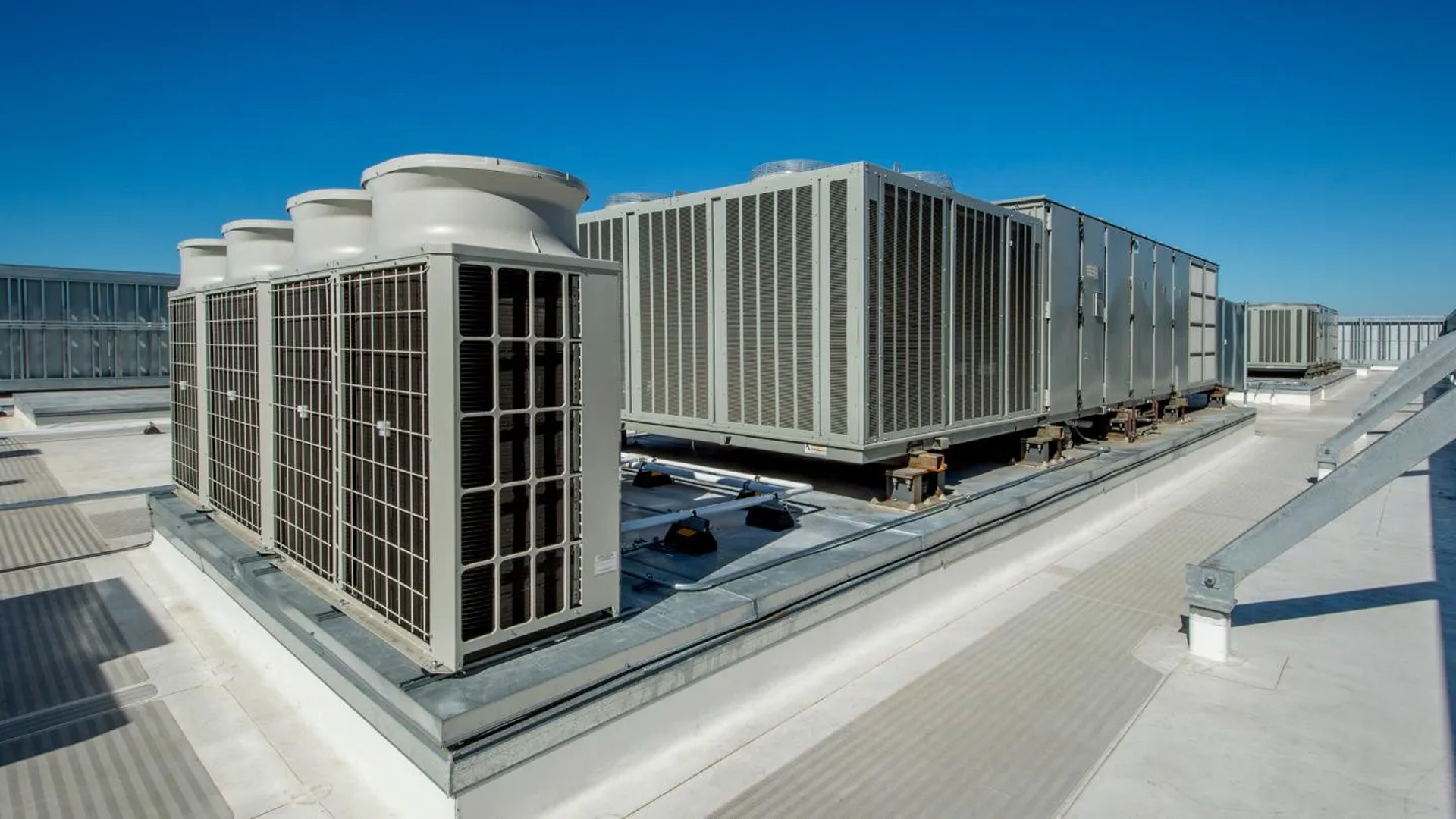
Maintaining comfortable indoor temperatures in a large commercial building is no small task. Office buildings, retail centers, warehouses, restaurants, and other commercial properties often rely on HVAC systems to provide consistent heating and cooling across expansive spaces with varying occupancy levels and operational demands.
When an HVAC system is performing efficiently, it helps create a comfortable environment for employees, customers, tenants, and visitors. However, if performance begins to decline, property managers and business owners may notice uneven temperatures, increased operating costs, and more frequent service needs.
Improving HVAC performance isn't about waiting until something goes wrong. A proactive approach that includes regular maintenance, timely inspections, and attention to system performance can help keep commercial HVAC equipment operating more reliably.
Why HVAC Performance Matters in Commercial Buildings
Commercial HVAC systems do much more than heat and cool a building. They help maintain indoor comfort, support daily operations, and contribute to a productive environment for occupants.
When HVAC equipment operates as intended, businesses may experience benefits such as:
More consistent indoor temperatures
Improved occupant comfort
Reliable day-to-day operation
Better equipment performance
Reduced risk of unexpected disruptions
Because HVAC systems are a significant part of a commercial property's infrastructure, maintaining their performance is an important part of facility management.
Schedule Routine HVAC Inspections
Regular inspections are one of the most effective ways to improve HVAC performance.
Commercial HVAC systems contain numerous components that experience wear over time. Professional inspections allow technicians to evaluate system operation and identify potential concerns before they become larger issues.
Routine inspections may help identify:
Airflow restrictions
Worn components
Electrical concerns
System performance issues
Developing maintenance needs
Early detection allows property managers to address problems before they affect building operations.
Prioritize Preventive Maintenance
Preventive maintenance plays a key role in keeping commercial HVAC systems operating efficiently.
Rather than responding only when equipment fails, preventive maintenance focuses on regularly scheduled service that supports reliable performance.
Elite Quality HVAC offers preventive maintenance programs designed to help businesses maintain their HVAC and refrigeration systems. Routine maintenance allows technicians to monitor equipment, identify developing issues, and help reduce the risk of unexpected breakdowns.
A preventive maintenance program can help support:
Reliable HVAC operation
Improved equipment performance
Reduced operational interruptions
Early issue identification
Long-term system dependability
For large commercial facilities, a structured maintenance plan can make managing HVAC equipment more predictable.
Replace Air Filters Regularly
Air filters are one of the simplest yet most important components of any HVAC system.
As filters collect dust and airborne particles, airflow may become restricted. Reduced airflow can affect system performance and place additional strain on HVAC equipment.
Replacing or monitoring filters on a regular schedule can help support:
Better airflow
Improved HVAC efficiency
Reduced equipment strain
Property managers should include filter maintenance as part of their overall HVAC maintenance strategy.
Monitor Building Comfort
Occupant comfort can provide valuable insight into HVAC performance.
If employees, tenants, or customers consistently report areas that are too warm, too cold, or difficult to keep comfortable, these concerns may indicate that the HVAC system requires attention.
Signs to monitor include:
Uneven temperatures
Weak airflow
Frequent comfort complaints
Inconsistent heating or cooling
Difficulty maintaining thermostat settings
Addressing these issues promptly can help improve both system performance and occupant satisfaction.
Keep Outdoor Equipment Clear
Many commercial HVAC systems include outdoor equipment that requires adequate airflow to operate properly.
Outdoor units should be inspected periodically to ensure they remain free from debris, vegetation, and other obstructions.
Maintaining clear space around outdoor equipment helps support proper airflow and allows the system to perform more effectively.
Routine visual inspections can also help identify any obvious concerns before they develop into larger maintenance issues.
Address Minor HVAC Issues Early
Small HVAC problems rarely improve on their own.
Unusual noises, inconsistent performance, or changing indoor conditions may indicate that the system requires professional attention.
Ignoring minor issues can increase the likelihood of more significant repairs and unexpected equipment downtime.
Prompt service allows technicians to identify developing concerns before they affect overall system reliability.
Monitor System Performance Throughout the Year
Large commercial buildings often experience changing HVAC demands as seasons change.
Monitoring system performance throughout the year helps property managers recognize when equipment may not be operating as expected.
Warning signs include:
Increased operating costs
Frequent equipment cycling
Reduced airflow
Inconsistent indoor temperatures
Equipment running longer than usual
Recognizing these patterns early allows businesses to schedule maintenance before performance declines further.
Reduce the Risk of Unexpected Breakdowns
Unexpected HVAC failures can interrupt business operations and create uncomfortable indoor environments.
Routine maintenance and inspections help reduce the likelihood of emergency service situations by identifying issues before they become major failures.
For commercial properties, avoiding unplanned downtime can help maintain:
Employee productivity
Tenant satisfaction
Customer comfort
Business continuity
A proactive maintenance strategy helps businesses remain prepared throughout the year.
Support Long-Term Equipment Performance
Commercial HVAC systems represent a significant investment.
Protecting that investment requires ongoing maintenance and professional service.
Routine care helps support:
Reliable equipment operation
Consistent system performance
Reduced wear on components
Improved long-term dependability
Property managers who prioritize maintenance are often better positioned to maximize the useful life of their HVAC equipment.
Work With Experienced Commercial HVAC Professionals
Commercial HVAC systems are more complex than residential equipment and require specialized knowledge to inspect, maintain, and service properly.
Elite Quality HVAC provides commercial HVAC services for businesses that rely on dependable heating and cooling systems. Their experience allows them to assist commercial customers with maintaining HVAC equipment and supporting reliable building operations.
Working with experienced HVAC professionals helps ensure systems receive the attention needed to operate efficiently.
The Value of a Preventive Maintenance Program
Managing HVAC equipment across a large commercial property can be challenging without a structured maintenance plan.
Elite Quality HVAC's preventive maintenance programs help businesses stay ahead of potential equipment issues through scheduled inspections and ongoing system evaluations.
A preventive maintenance program can help property managers:
Plan maintenance more effectively
Reduce unexpected service calls
Improve equipment reliability
Support consistent HVAC performance
Protect important building systems
Having a maintenance plan in place allows businesses to take a proactive rather than reactive approach to HVAC management.
HVAC Performance Supports Daily Business Operations
Reliable HVAC performance affects nearly every aspect of a commercial property.
Comfortable indoor environments help support employees, customers, tenants, and visitors while allowing businesses to focus on daily operations.
Consistent HVAC performance also helps reduce operational disruptions caused by equipment problems.
Whether managing an office, retail location, warehouse, restaurant, or mixed-use facility, maintaining HVAC performance is an important part of overall property management.
Why Regular Professional Service Matters
Commercial HVAC systems require ongoing attention to perform their best.
Professional service helps identify concerns that may not be visible during routine visual inspections.
Experienced technicians can evaluate:
Overall system performance
Airflow
Mechanical components
Electrical systems
Equipment condition
Regular professional maintenance provides an opportunity to address developing issues before they impact building operations.
FAQs About Improving HVAC Performance in Commercial Buildings
Why is preventive HVAC maintenance important?
Preventive maintenance helps identify developing issues early, supports equipment performance, and may reduce the risk of unexpected breakdowns.
How often should commercial HVAC systems be inspected?
Inspection schedules vary depending on building usage and equipment needs. Routine professional inspections are an important part of maintaining reliable HVAC performance.
Can dirty air filters affect HVAC performance?
Yes. Dirty filters can restrict airflow, place additional strain on HVAC equipment, and reduce overall system performance.
What are common signs of declining HVAC performance?
Uneven temperatures, weak airflow, unusual noises, frequent cycling, increased operating costs, and ongoing comfort complaints may indicate that the system requires attention.
How can property managers help maintain HVAC performance?
Scheduling regular inspections, replacing filters, monitoring system performance, addressing issues promptly, and participating in a preventive maintenance program can all help support reliable HVAC operation.
What services does Elite Quality HVAC provide?
Elite Quality HVAC provides commercial HVAC services, residential HVAC services, commercial refrigeration services, and preventive maintenance programs to help businesses maintain dependable HVAC and refrigeration systems.
Large commercial buildings depend on reliable HVAC systems to maintain comfortable environments and support daily operations. By focusing on preventive maintenance, regular inspections, and prompt attention to developing issues, property managers and business owners can help improve HVAC performance, protect valuable equipment, and reduce the risk of unexpected disruptions.
