
Why Businesses Need Routine HVAC Inspections
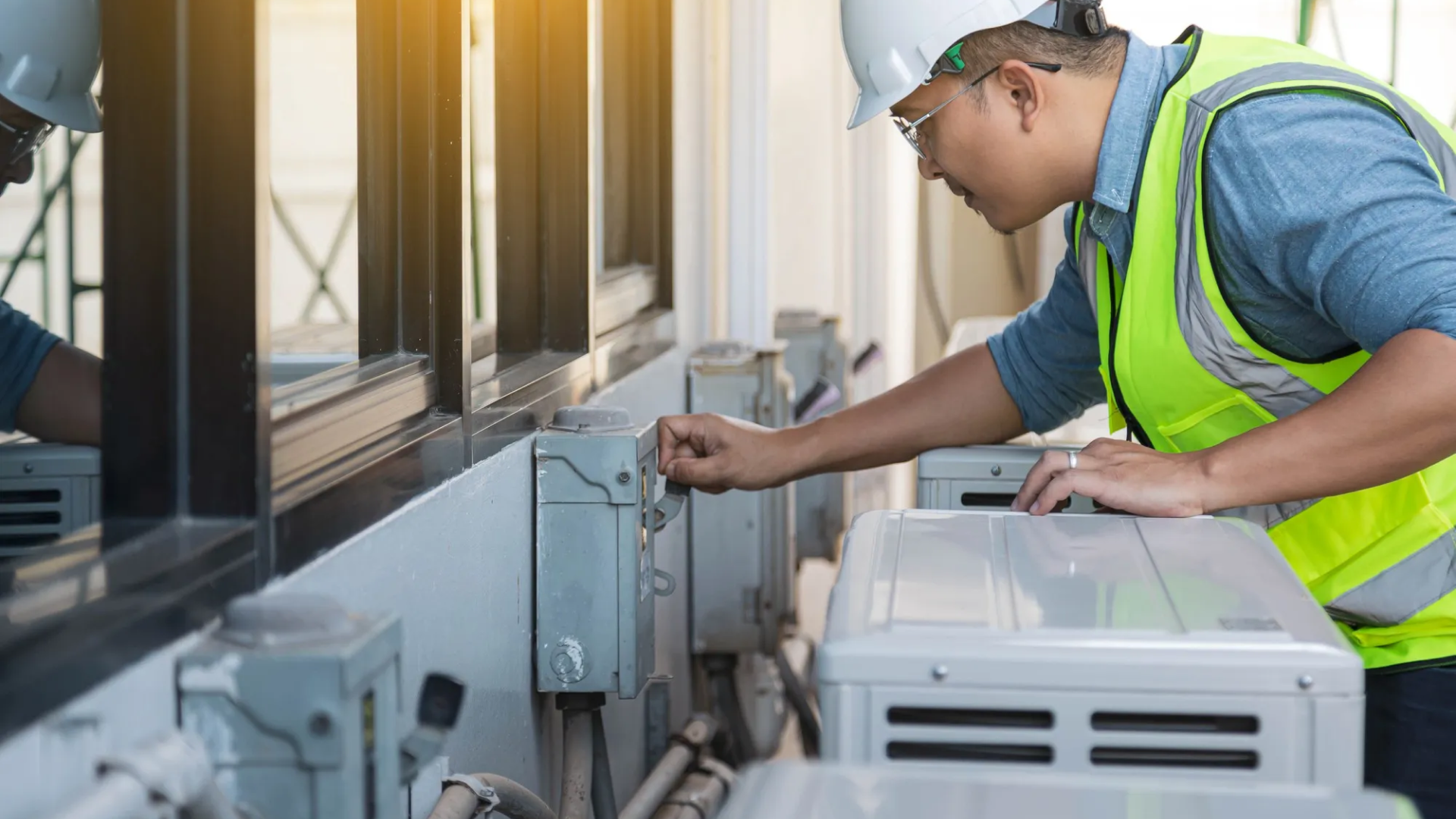
A commercial HVAC system is one of the most significant and vital assets in any business facility. Whether it serves an office building, retail store, restaurant, warehouse, or large commercial property, your heating and cooling setup plays a critical role in maintaining comfortable indoor conditions for employees, customers, and visitors alike.
Because commercial heating and cooling equipment frequently operates for extended hours under heavy loads, regular inspections are essential for supporting reliable performance. Routine assessments allow businesses to identify potential issues early, optimize system efficiency, and drastically reduce the likelihood of unexpected operational disruptions.
Partnering with the experts at Elite Quality HVAC ensures your systems receive the expert care required to protect your bottom line and maintain year-round facility comfort.
What Is a Commercial HVAC Inspection?
A commercial HVAC inspection involves a comprehensive, professional evaluation of your entire heating, ventilation, and air conditioning infrastructure to assess its overall health and operational performance.
Unlike basic filter changes, a routine inspection allows certified technicians to review critical aspects of system operation, including:
Airflow performance: Ensuring adequate air distribution throughout the property.
General equipment condition: Looking for signs of corrosion, electrical wear, or mechanical fatigue.
System functionality: Verifying that thermostats, dampers, and controls respond accurately.
Safety controls: Testing emergency shut-offs and gas connections where applicable.
Developing maintenance needs: Catching component degradation before it triggers a system shutdown.
The primary goal of an inspection is proactive: identifying developing concerns while they are minor and entirely manageable, rather than waiting for an emergency.
The Business Benefits of Routine HVAC Inspections
Investing in a proactive maintenance strategy pays dividends across every aspect of your business operations.
1. Early Problem Detection Prevents Major Repair Bills
Many commercial HVAC problems begin as minor internal issues that do not immediately disrupt day-to-day operations. However, if left unchecked, a small restriction or worn belt forces the system to work harder, accelerating wear and tear on expensive components like compressors and blower motors.
Routine inspections identify these early warning signs. By catching issues early, you avoid the headache of emergency commercial HVAC repairs, protecting your business from sudden, unbudgeted capital expenditures.
2. Drastically Reduces the Risk of Unexpected Shutdowns
A complete HVAC failure during a summer heatwave or a winter freeze can force your business to close its doors, leading to lost revenue, displaced employees, and disgruntled customers. Regular evaluations dramatically mitigate this risk by ensuring that components on the verge of failure are replaced during scheduled, non-disruptive maintenance hours.
Understanding what happens when you skip preventive HVAC maintenance—such as premature system failure and costly downtime—highlights why a proactive approach is so vital.
3. Supports Consistent Indoor Comfort and Productivity
When an HVAC system struggles, indoor climate control suffers. Employees working in drafty, hot, or humid environments face a noticeable drop in productivity, and customers are unlikely to linger in an uncomfortable retail space or restaurant.
Routine inspections evaluate system balance to eliminate uneven temperatures, hot and cold spots, and weak airflow, helping you maintain a welcoming and productive indoor environment.
4. Maximizes Energy Efficiency and Lowers Utility Bills
As commercial systems age or accumulate dirt and wear, they inevitably require more energy to deliver the same level of heating or cooling. Increased system workload translates directly to skyrocketing monthly utility bills.
During an inspection, technicians optimize settings, clean vital components, and verify calibration. For businesses looking to trim operational costs, combining routine checks with targeted commercial HVAC energy efficiency tips can lead to substantial, long-term savings.
How Inspections Protect Your System Infrastructure
A commercial HVAC unit is a complex network of electrical, mechanical, and airflow systems. Routine checkups address the foundational elements that keep this network running smoothly.
Maintaining Proper Airflow and Indoor Air Quality
Airflow is the lifeblood of any climate control system. Restricted airflow forces your equipment to work twice as hard, reducing efficiency and placing immense strain on system components. Technicians check for common airflow bottlenecks, such as clogged filters, blocked ductwork, and dust buildup on coils.
Furthermore, properly managed airflow directly influences health and wellness within your facility. Keeping your ductwork and ventilation components clean highlights the importance of indoor air quality in commercial buildings, protecting building occupants from airborne allergens, dust, and pollutants.
Extending the Lifespan of Your Equipment
Replacing a commercial rooftop unit or chiller split system is a massive capital expense. Routine inspections protect that investment by minimizing the friction, strain, and overheating that age equipment prematurely.
A well-documented inspection history proves that the system has been cared for, which is often a strict requirement to keep manufacturer warranties valid. Ultimately, regular professional oversight is the single best way to maximize your return on investment by discovering how preventive maintenance extends commercial HVAC lifespan.
Routine Inspection ➔ Early Detection ➔ Reduced Component Strain ➔ Extended Equipment Lifespan
Seasonal Timelines: When to Schedule Inspections
Timing is everything when it comes to facility maintenance. To ensure your system is prepared for peak demand, inspections should be scheduled bi-annually, ahead of the extreme weather seasons.
SeasonFocus AreaPrimary ObjectiveSpringCooling Systems (AC / Chiller)Prepares the unit for high summer cooling loads and implements how to reduce commercial cooling costs.AutumnHeating Systems (Furnace / Boiler)Ensures safe ignition, checks heat exchangers for cracks, and prepares for freezing temperatures.
Note: If your business utilizes a residential-style system, keeping a standard residential HVAC maintenance checklist handy can offer helpful context, though commercial facilities require a much broader scope of service.
Spotting the Signs: When to Call an Expert Between Inspections
While routine evaluations keep your system stable, equipment can still experience issues due to sudden weather shifts or unexpected operational demands. Business owners and property managers should keep an eye out for these clear warning signs:
Unusual Noises: Grinding, rattling, squealing, or loud banging sounds often point to loose belts, failing bearings, or failing motor components. Learn more about the specific warning signs your rooftop HVAC unit needs repair.
Weak or Imbalanced Airflow: If certain zones are receiving barely any air while others are freezing, it’s a sign of a failing blower or a damper malfunction. This is a primary driver behind common reasons commercial AC systems stop cooling properly.
Frequent Cycling: A system that rapidly turns on and off (short-cycling) is under immense electrical stress and requires immediate diagnostic attention.
Unexplained Utility Spikes: A sudden jump in energy costs without a corresponding change in weather indicates your system is failing to run efficiently.
If you observe any of these conditions, it is critical to act quickly. Ignoring these minor changes can quickly lead to a situation where your commercial HVAC system needs immediate repair.
Don't Forget Commercial Refrigeration Systems
For restaurants, grocery stores, food processing facilities, and convenience stores, commercial refrigeration is just as vital as ambient climate control. A breakdown here doesn't just cause discomfort—it causes immediate inventory loss and threatens health code compliance.
Refrigeration Failure ➔ Temperature Spikes ➔ Food Spoilage ➔ Financial & Regulatory Risk
Routine inspections shouldn't stop at your air conditioner. Including cold storage units in your service plan ensures you avoid common commercial refrigeration problems restaurants face. Comprehensive evaluations can determine whether a struggling system simply needs a calibration tune-up, or if it is time to weigh the financial impacts of commercial refrigeration repair vs. replacement.
Furthermore, regular maintenance preserves your inventory by identifying exactly why your commercial freezer is not maintaining temperature, protecting your bottom line and demonstrating exactly why commercial refrigeration maintenance matters for food safety.
Why Professional Expertise Matters
Commercial HVAC systems are complex, highly integrated networks that require specialized diagnostic tools, advanced engineering knowledge, and certified expertise to evaluate safely. Attempting to manage these systems without proper training can result in voided warranties, safety hazards, and missed mechanical faults.
By partnering with certified professionals for your commercial HVAC services, you gain access to comprehensive technical insights. Expert technicians understand the unique demands placed on commercial equipment and can seamlessly integrate these assessments into tailored preventive maintenance programs. This proactive, comprehensive oversight ensures that both your heating, cooling, and specialized commercial refrigeration services operate in perfect harmony.
To learn more about our commitment to quality workmanship, dependable customer care, and specialized industry standards, read more about Elite Quality HVAC.
Frequently Asked Questions
How often should commercial HVAC systems be serviced?
For most standard commercial facilities, systems should be inspected and serviced at least twice per year—ideally in the spring and autumn. However, certain heavy-use facilities, such as restaurants or manufacturing plants, may require quarterly visits. Review our complete guide on how often should commercial HVAC systems be serviced for a breakdown by industry type.
How does preventive maintenance save my business money?
Preventive maintenance minimizes high-cost emergency repairs, extends the total operational lifespan of your expensive machinery, and keeps your monthly utility expenses as low as possible. Discover how investing a small amount in scheduled care avoids catastrophic expenses in our article on why preventive hvac maintenance saves businesses thousands.
What are the most common causes of walk-in cooler failures?
Walk-in cooler failures are frequently caused by dirty evaporator coils, worn door gaskets, failing compressor motors, or refrigerant leaks. Implementing best practices for maintaining walk-in coolers and freezers can prevent these issues, helping you avoid the top causes of walk-in cooler failure in commercial kitchens.
Do residential systems benefit from these same seasonal checkups?
Yes. While residential systems are less complex than commercial infrastructure, they rely on the same mechanical principles. Homeowners can read about the benefits of seasonal HVAC tune-ups for homes or look for the common signs your home hvac system is losing efficiency to protect their household comfort.
Conclusion: Take a Proactive Approach Today
Routine HVAC inspections are not an unnecessary operational expense—they are an essential investment in the longevity, safety, and efficiency of your commercial facility. By choosing a proactive approach to equipment care, business owners and property managers stay ahead of costly breakdowns, reduce day-to-day energy consumption, and provide a consistently comfortable space for employees and patrons alike.
Don't wait for your system to send an emergency signal during a peak weather event. Visit our blog for additional industry insights, or head straight to the Elite Quality HVAC Contact Page today to schedule your next commercial system inspection and secure your facility's long-term operational reliability.
