
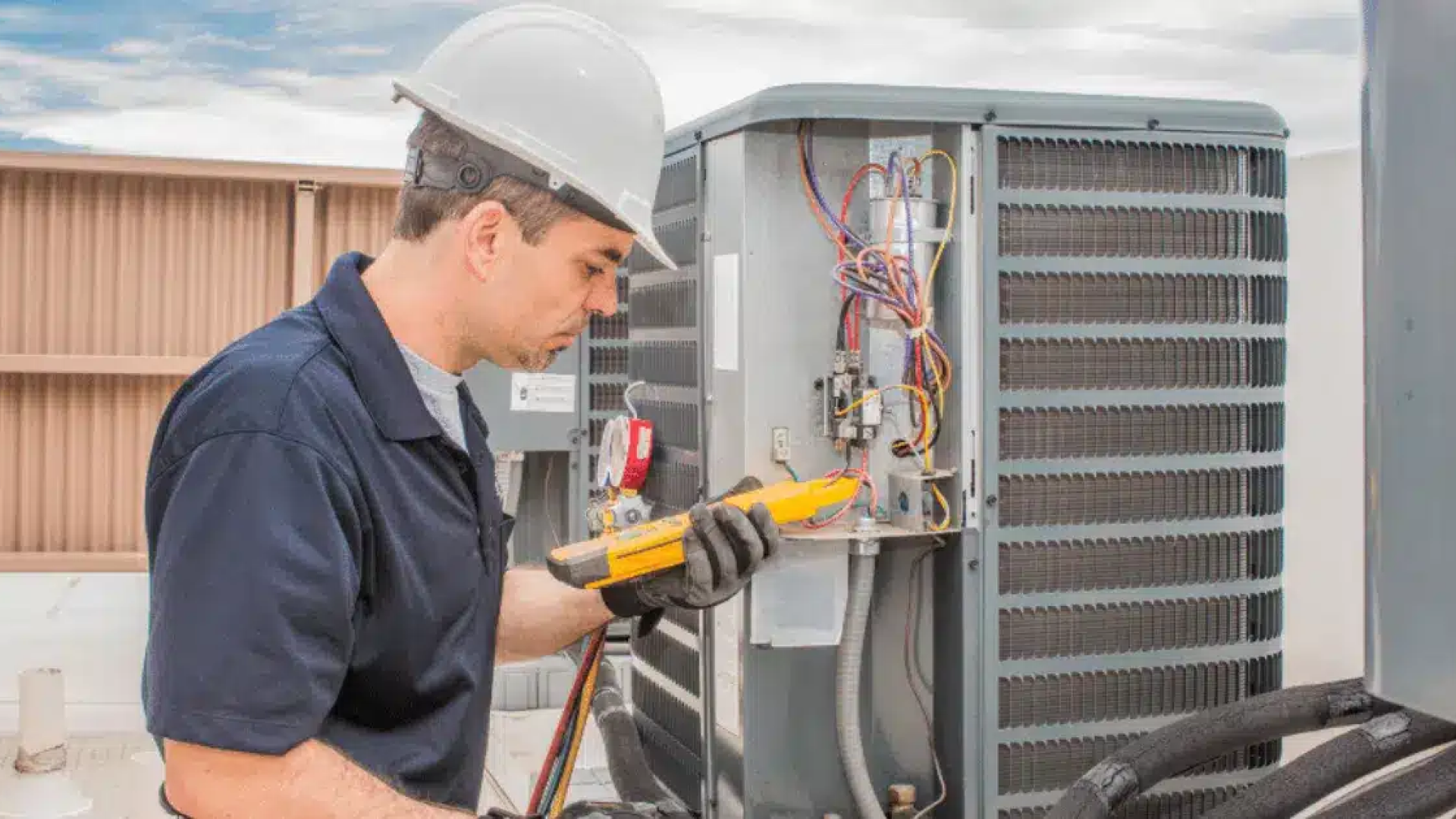
A commercial HVAC system is one of the most important investments for any business. Whether serving an office building, retail space, restaurant, warehouse, or commercial facility, heating and cooling equipment often operates for long hours to maintain comfortable indoor conditions. Because these systems work so consistently, routine maintenance plays a major role in supporting their long-term performance.
Many HVAC problems do not happen suddenly. Small issues often develop gradually as equipment experiences everyday wear and tear. Preventive maintenance helps identify those concerns early, allowing businesses to address them before they place additional strain on the system.
According to Elite Quality HVAC, preventive maintenance programs are designed to help support reliable HVAC operation and identify potential problems before they become larger repairs.
Why Commercial HVAC Systems Experience Wear Over Time
Unlike many residential systems, commercial HVAC equipment often runs for extended periods throughout the day. Restaurants, offices, retail stores, and commercial buildings depend on consistent heating and cooling to support employees, customers, and daily operations.
Continuous operation naturally leads to gradual wear on system components. Over time, this can affect:
Airflow performance
Cooling and heating consistency
Overall system efficiency
Equipment reliability
Long-term operational performance
Without regular maintenance, minor performance issues may continue to develop until they create more significant problems. Understanding how often should commercial HVAC systems be serviced is the first step in mitigating this ongoing operational wear.
What Is Preventive HVAC Maintenance?
Preventive maintenance is a proactive approach to HVAC care that focuses on regular inspections and system evaluations rather than waiting for equipment to fail. Skipping these critical checkpoints can lead to severe operational issues; you can read more about what happens when you skip preventive HVAC maintenance to see the true risks involved.
According to Elite Quality HVAC Preventive Maintenance Programs, these services help monitor HVAC and refrigeration systems to support dependable operation.
Routine maintenance may include:
System inspections
Airflow evaluations
General equipment checks
Filter inspections
Identification of worn components
Performance assessments
These services help technicians evaluate the overall condition of the system and identify concerns before they become larger operational issues.
Early Detection Helps Reduce Unnecessary Wear
One of the biggest advantages of preventive maintenance is early problem identification. Small issues such as restricted airflow or declining system performance may not immediately affect day-to-day operations. However, if left unaddressed, they can gradually increase stress on the HVAC system.
Routine inspections help technicians identify developing concerns that could otherwise place unnecessary strain on equipment components. For facility managers, knowing the 7 signs your commercial HVAC system needs immediate repair can mean the difference between a quick adjustment and a total shutdown. Addressing smaller issues early always helps maintain smoother and more consistent system operation.
Proper Airflow Supports Long-Term HVAC Performance
Airflow is one of the most important factors influencing commercial HVAC efficiency and longevity. When airflow becomes restricted, the system may have to work harder to maintain comfortable indoor temperatures. This additional workload can increase wear on equipment over time.
Common factors that may affect airflow include:
Dirty air filters
Blocked vents
Dust buildup
Restricted circulation
Maintaining proper airflow helps support balanced HVAC performance and may reduce unnecessary operational stress. Beyond equipment longevity, proper circulation is vital for health, as highlighted in our guide on the importance of indoor air quality in commercial buildings.
The professional services available through Elite Quality HVAC Commercial HVAC Services are designed to help businesses maintain dependable heating and cooling operation through comprehensive maintenance.
Preventive Maintenance Helps Support Energy Efficiency
Commercial HVAC systems that operate efficiently often experience less unnecessary strain. When systems are not maintained properly, they may need to run longer or work harder to achieve the same indoor temperatures. Over time, this additional effort can affect both efficiency and equipment condition.
Routine maintenance helps technicians evaluate overall system performance and identify factors that may reduce operating efficiency. Utilizing commercial HVAC energy efficiency tips for office buildings can drastically lower utility bills while simultaneously reducing equipment strain.
Expert Tip: Implementing strategic cooling methods, such as those outlined in our resource on how to reduce commercial cooling costs during summer, helps maintain efficient operation and supports long-term HVAC reliability.
Reducing Emergency Repairs Helps Protect Equipment
Unexpected HVAC breakdowns can create major disruptions for businesses. Emergency repairs often occur during periods of heavy demand, such as summer heat waves, winter cold spells, busy business hours, or high-occupancy periods.
While not every emergency can be prevented, regular maintenance helps reduce the likelihood of unexpected failures by identifying concerns before they become more serious. Reviewing emergency commercial HVAC repairs: what business owners should know can help you prepare for the unexpected, though reducing emergency situations altogether is the best way to minimize sudden stress on HVAC equipment.
Seasonal Maintenance Prepares Systems for Peak Demand
Commercial HVAC systems typically experience the greatest workload during seasonal temperature extremes.
Before Summer: Cooling systems should be evaluated before high temperatures increase system demand.
Before Winter: Heating equipment should also receive attention before colder weather arrives.
Seasonal tune-ups help businesses prepare HVAC equipment for heavier workloads while supporting reliable performance throughout the year. For instance, specific assets like rooftop units face the brunt of harsh weather; monitoring the warning signs your rooftop HVAC unit needs repair ahead of seasonal shifts prevents widespread system failure.
(Note: If you are looking to secure your home system as well, refer to our benefits of seasonal HVAC tune-ups for homes or check off items on our residential HVAC maintenance checklist for homeowners to ensure year-round comfort at home.)
Preventive Maintenance Helps Maintain Consistent Indoor Comfort
Commercial buildings depend on stable indoor conditions for employees, customers, and visitors. As HVAC systems lose efficiency or develop performance issues, businesses may notice uneven temperatures, weak airflow, inconsistent cooling or heating, and reduced indoor comfort.
Routine maintenance helps support more balanced system operation, which contributes to a more comfortable commercial environment. Furthermore, it directly impacts your bottom line; industry data shows why preventive HVAC maintenance saves businesses thousands by avoiding operational declines and premature system failures.
Small Problems Often Become Larger Repairs
Many HVAC issues begin as relatively minor concerns, such as reduced airflow, dirty filters, declining system performance, or unusual operating sounds. If these issues are not identified and addressed, they may gradually place additional strain on the system and contribute to larger repair needs. Preventive maintenance provides opportunities to monitor system condition before problems escalate.
Commercial Refrigeration Benefits From Preventive Maintenance Too
Many commercial facilities, particularly in the food service and hospitality industries, rely on refrigeration equipment in addition to HVAC systems. According to Elite Quality HVAC Commercial Refrigeration Services, dependable refrigeration performance is essential for day-to-day operations.
       [Proactive Maintenance Program]
          /                         \
         v                           v
[Commercial HVAC Systems]     [Commercial Refrigeration]
  - Stable Indoor Comfort       - Food Safety Compliance
  - Lower Energy Expenses      - Component Failure Prevention
Preventive maintenance helps support refrigeration system reliability by identifying developing issues before they affect equipment performance. Restaurant operators know the anxiety of diagnosing common commercial commercial refrigeration problems restaurants face. Whether it is understanding the top causes of walk-in cooler failure in commercial kitchens or figuring out why your commercial freezer is not maintaining temperature, routine checks protect inventory.
Most importantly, keeping these systems in top shape is a legal and ethical necessity. We detail why commercial refrigeration maintenance matters for food safety to help businesses avoid costly health violations. When systems are aged or deeply damaged, technicians can also guide you through commercial refrigeration repair vs. replacement: which is better for your operational budget.
Professional Inspections Provide Valuable System Insights
While business owners and facility managers can monitor overall HVAC performance, professional inspections provide a more detailed evaluation of system condition.
According to the Elite Quality HVAC About Page, the company provides HVAC and refrigeration services focused on quality workmanship and dependable customer service. Professional technicians can evaluate airflow performance, overall system operation, equipment condition, signs of developing wear, and areas that may require future attention. These evaluations help businesses make informed decisions about ongoing HVAC care.
Preventive Maintenance Helps Reduce System Strain
Every commercial HVAC system experiences normal wear over time. The goal of preventive maintenance is not to eliminate wear completely, but to help reduce unnecessary stress on the equipment.
Routine service helps support:
Smoother system operation
Better airflow
More consistent performance
Improved operational reliability
Reducing excess strain may help equipment continue operating effectively over a longer period.
Long-Term HVAC Performance Depends on Consistent Care
Commercial HVAC systems represent a significant investment, and protecting that investment requires ongoing attention. Waiting until equipment stops working often allows smaller problems to develop into more disruptive repairs.
Businesses that prioritize preventive maintenance may be better positioned to:
Maintain reliable HVAC operation
Reduce unexpected breakdowns
Support efficient system performance
Improve indoor comfort
Protect long-term equipment reliability
The preventive maintenance programs offered through the Elite Quality HVAC Blog resources and service plans are intended to help businesses monitor system performance and address concerns before they become larger issues.
A Proactive Approach Supports Long-Term Commercial HVAC Reliability
Preventive maintenance is one of the most effective strategies for supporting the long-term performance of commercial HVAC systems. Regular inspections, airflow evaluations, seasonal tune-ups, and early problem detection all help reduce unnecessary equipment strain and improve overall reliability.
Rather than waiting for unexpected breakdowns, businesses that invest in ongoing HVAC maintenance often benefit from more consistent performance and greater confidence in their heating and cooling systems. For more information about commercial HVAC services, refrigeration solutions, or preventive maintenance programs, visit the Elite Quality HVAC Contact Page.
