
Preventive HVAC Maintenance Tips for Property Managers
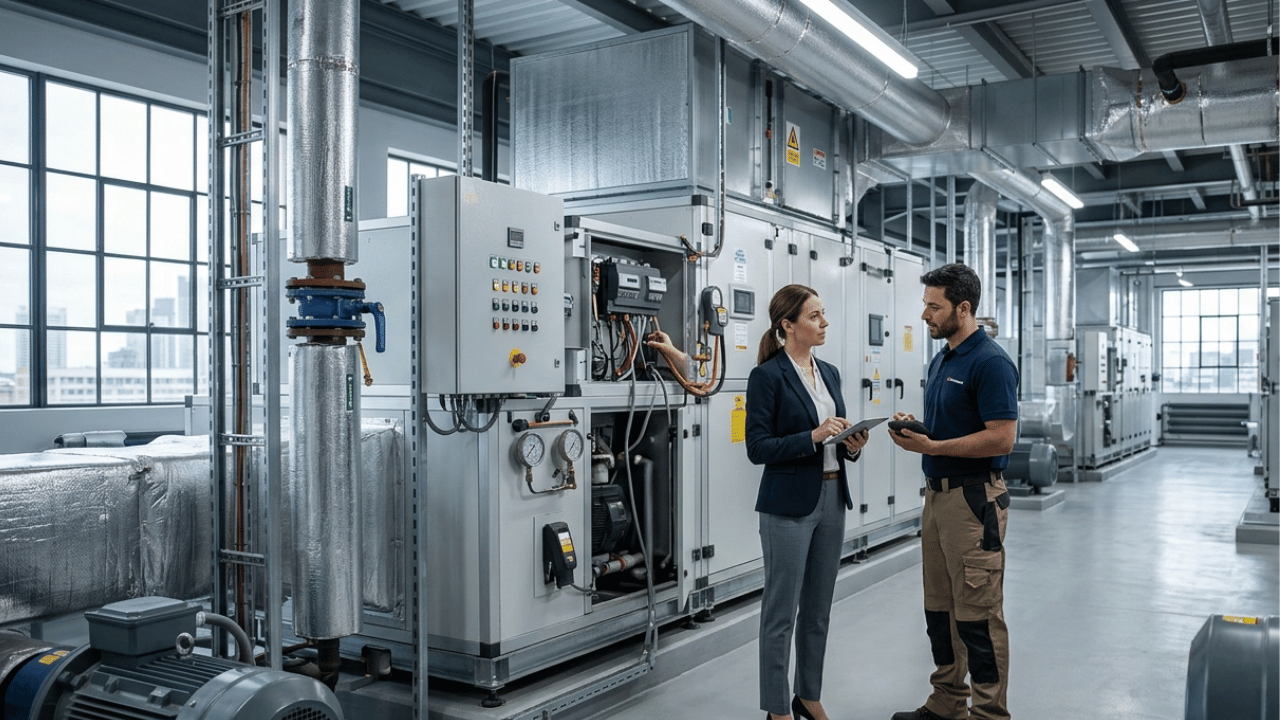
Property managers have a long list of responsibilities, from maintaining tenant satisfaction to protecting building assets and controlling operating expenses. Among the many systems that require attention, HVAC equipment is one of the most important. Heating, ventilation, and air conditioning systems play a major role in occupant comfort, indoor air quality, and overall building performance.
When HVAC systems are properly maintained, they can operate more reliably and efficiently. What happens when you skip preventive HVAC maintenance, however, includes facing unexpected breakdowns, tenant complaints, higher operating costs, and disruptions that can impact day-to-day operations.
A proactive maintenance approach helps property managers stay ahead of potential issues while supporting the long-term performance of their HVAC systems.
Why Preventive HVAC Maintenance Matters
Commercial HVAC systems work hard throughout the year to maintain comfortable indoor environments. Whether managing an office building, retail property, restaurant, warehouse, or other commercial facility, property managers rely on HVAC equipment to support daily operations.
Preventive maintenance focuses on routine inspections and servicing designed to identify concerns before they become major problems. Why preventive HVAC maintenance saves businesses thousands comes down to taking steps to keep systems operating as intended rather than waiting for equipment failures.
Preventive maintenance can help:
Reduce unexpected breakdowns
Improve system reliability
Support energy efficiency
Extend equipment life
Minimize operational disruptions
Improve occupant comfort
For property managers responsible for multiple tenants or facilities, these benefits can contribute to smoother operations and fewer emergency service situations.
Schedule Regular HVAC Inspections
One of the most effective preventive maintenance strategies is scheduling regular professional inspections.
Why businesses need routine HVAC inspections is simple: routine inspections allow HVAC technicians to evaluate system performance, identify signs of wear, and address developing issues before they worsen.
During inspections, technicians may review components such as:
Air handling equipment
Thermostats and controls
Electrical connections
Motors and moving parts
Cooling components
Heating components
Ventilation systems
Regular inspections provide an opportunity to catch minor issues early, helping property managers avoid larger repairs later.
Replace or Monitor Air Filters Consistently
Air filters play an important role in HVAC performance.
How dirty HVAC filters affect commercial energy bills is an essential consideration for budgeting. Dirty or clogged filters can restrict airflow, making HVAC equipment work harder than necessary. Reduced airflow can affect occupant comfort and place additional strain on system components.
Property managers should establish a routine schedule for monitoring and replacing filters based on building usage and manufacturer recommendations.
Benefits of maintaining clean filters include:
Improved airflow
Better indoor air quality
More efficient system operation
Reduced strain on HVAC equipment
Consistent filter maintenance is one of the simplest and most effective preventive maintenance practices.
Pay Attention to Tenant Comfort Complaints
Tenant feedback can provide valuable insight into HVAC performance.
Complaints about inconsistent temperatures, poor airflow, unusual odors, or uncomfortable indoor conditions may be signs your commercial HVAC system needs immediate repair.
Rather than viewing comfort concerns as isolated incidents, property managers should investigate recurring complaints to determine whether HVAC equipment requires service or maintenance.
Early attention to these concerns can help prevent larger operational issues and improve tenant satisfaction.
Monitor HVAC System Performance
Property managers should regularly monitor how HVAC systems are performing throughout their facilities.
Warning signs that may indicate maintenance needs include:
Uneven temperatures
Reduced airflow
Unusual noises
Frequent cycling
Difficulty maintaining set temperatures
Unexpected increases in energy usage
Recognizing these signs early allows property managers to schedule service before problems escalate. A proactive approach often helps reduce downtime and minimize disruption to tenants and building occupants.
Keep Outdoor Equipment Clear
Many HVAC systems rely on outdoor equipment for proper operation.
Outdoor units can be affected by debris, vegetation, dirt, and other obstructions that restrict airflow and reduce performance. This can easily lead to common issues, such as reasons commercial AC systems stop cooling properly.
Property managers should periodically inspect outdoor HVAC equipment and ensure surrounding areas remain clear. Maintaining adequate airflow around outdoor units can help support system efficiency and overall performance.
Do Not Ignore Minor HVAC Issues
Small HVAC problems can sometimes develop into larger and more costly repairs if left unaddressed.
For example:
Unusual noises may indicate component wear.
Warning signs your rooftop HVAC unit needs repair may signal developing system concerns.
Inconsistent temperatures may point to airflow or control issues.
Addressing minor concerns early can help prevent unexpected equipment failures and costly operational disruptions. Property managers who act quickly when issues arise are often able to avoid more significant maintenance challenges later.
Maintain Accurate Service Records
Keeping organized HVAC maintenance records can provide significant value for property managers.
Service records help track:
Inspection dates
Maintenance history
Equipment performance trends
Repair history
Recurring issues
Having access to detailed records makes it easier to identify patterns and plan future maintenance activities. Accurate documentation can also support budgeting decisions and long-term facility management planning.
Prioritize Seasonal HVAC Maintenance
HVAC systems often experience increased demand during periods of extreme weather.
Scheduling maintenance before peak heating or cooling seasons can help ensure systems are prepared for higher workloads. During summer preparation, a primary goal is learning how to reduce commercial cooling costs during summer.
Seasonal maintenance allows technicians to evaluate equipment performance and identify potential issues before they affect building operations. For property managers, this proactive step can help reduce the risk of service interruptions during times when HVAC systems are needed most.
Protect Building Assets Through Preventive Maintenance
HVAC equipment represents a significant investment for property owners and managers. Protecting that investment requires ongoing attention and care.
Knowing how preventive maintenance extends commercial HVAC lifespan helps maximize long-term savings. Routine preventive maintenance helps support:
Reliable operation
Long-term equipment performance
Reduced wear and tear
Improved system dependability
Property managers who prioritize maintenance are often better positioned to maximize the value and lifespan of their HVAC systems.
Consider a Preventive Maintenance Program
Managing HVAC maintenance across one or multiple properties can be challenging without a structured plan.
Elite Quality HVAC offers preventive maintenance programs designed to help businesses maintain their HVAC and refrigeration systems. These programs provide a proactive approach to monitoring equipment and addressing maintenance needs before they become larger operational concerns.
For property managers, a preventive maintenance program can provide:
Scheduled system inspections
Ongoing equipment monitoring
Reduced risk of unexpected failures
Improved operational consistency
Greater confidence in system performance
A structured maintenance plan can help simplify facility management while supporting reliable HVAC operation throughout the year.
The Connection Between HVAC Reliability and Tenant Satisfaction
Comfort plays a major role in tenant experience. When HVAC systems perform reliably, occupants can enjoy more consistent indoor conditions and fewer interruptions caused by equipment issues.
Reliable HVAC operation helps support:
Comfortable indoor environments
Improved occupant satisfaction
Reduced service complaints
Better day-to-day building operations
For property managers, maintaining HVAC systems is not only about equipment performance. It is also about creating a positive experience for tenants and building occupants.
Common Mistakes Property Managers Should Avoid
Even experienced property managers can sometimes overlook HVAC maintenance needs. Some common mistakes include:
Delaying Routine Maintenance
Waiting until problems occur often results in more costly repairs and unexpected downtime.
Ignoring Early Warning Signs
Small performance issues may indicate larger concerns developing within the system.
Overlooking Filter Maintenance
Dirty filters can negatively affect airflow, efficiency, and overall HVAC performance.
Failing to Maintain Service Records
Without documentation, it becomes more difficult to track maintenance history and identify recurring issues.
Avoiding these common mistakes can help property managers maintain more reliable HVAC operations.
Working With an Experienced HVAC Service Provider
Property managers often benefit from partnering with HVAC professionals who understand commercial systems and facility management needs.
Elite Quality HVAC provides commercial HVAC services, residential HVAC services, commercial refrigeration services, and preventive maintenance programs. Their experience working with HVAC and refrigeration systems allows them to help businesses and property managers support reliable equipment performance.
Having a trusted service provider can make routine maintenance, inspections, and system management more efficient and effective, especially when handling emergency commercial HVAC repairs.
FAQs About Preventive HVAC Maintenance for Property Managers
Why is preventive HVAC maintenance important for property managers?
Preventive maintenance helps support HVAC reliability, reduce unexpected breakdowns, improve operational consistency, and maintain occupant comfort.
How often should HVAC systems be inspected?
Inspection schedules vary based on system usage and facility requirements. Knowing how often should commercial HVAC systems be serviced helps maximize efficiency, with most commercial facilities requiring professional inspections at least twice a year.
Can preventive maintenance help reduce HVAC breakdowns?
Preventive maintenance is designed to identify potential issues early, which may help reduce the likelihood of unexpected equipment failures.
What are common signs that HVAC equipment needs service?
Uneven temperatures, poor airflow, unusual noises, frequent cycling, and difficulty maintaining indoor comfort may indicate maintenance needs.
Why are air filters important for HVAC performance?
Clean filters help support proper airflow, improve indoor air quality, and reduce strain on HVAC equipment.
What are the benefits of a preventive maintenance program?
A preventive maintenance program can provide scheduled inspections, ongoing system monitoring, and a proactive approach to maintaining HVAC and refrigeration equipment.
For property managers, preventive HVAC maintenance is one of the most effective ways to support building performance, protect valuable equipment, and maintain tenant satisfaction. By focusing on routine inspections, timely service, and proactive maintenance planning, property managers can help keep HVAC systems operating reliably while reducing the risk of costly disruptions.
