
How Building Occupancy Affects Commercial HVAC Performance
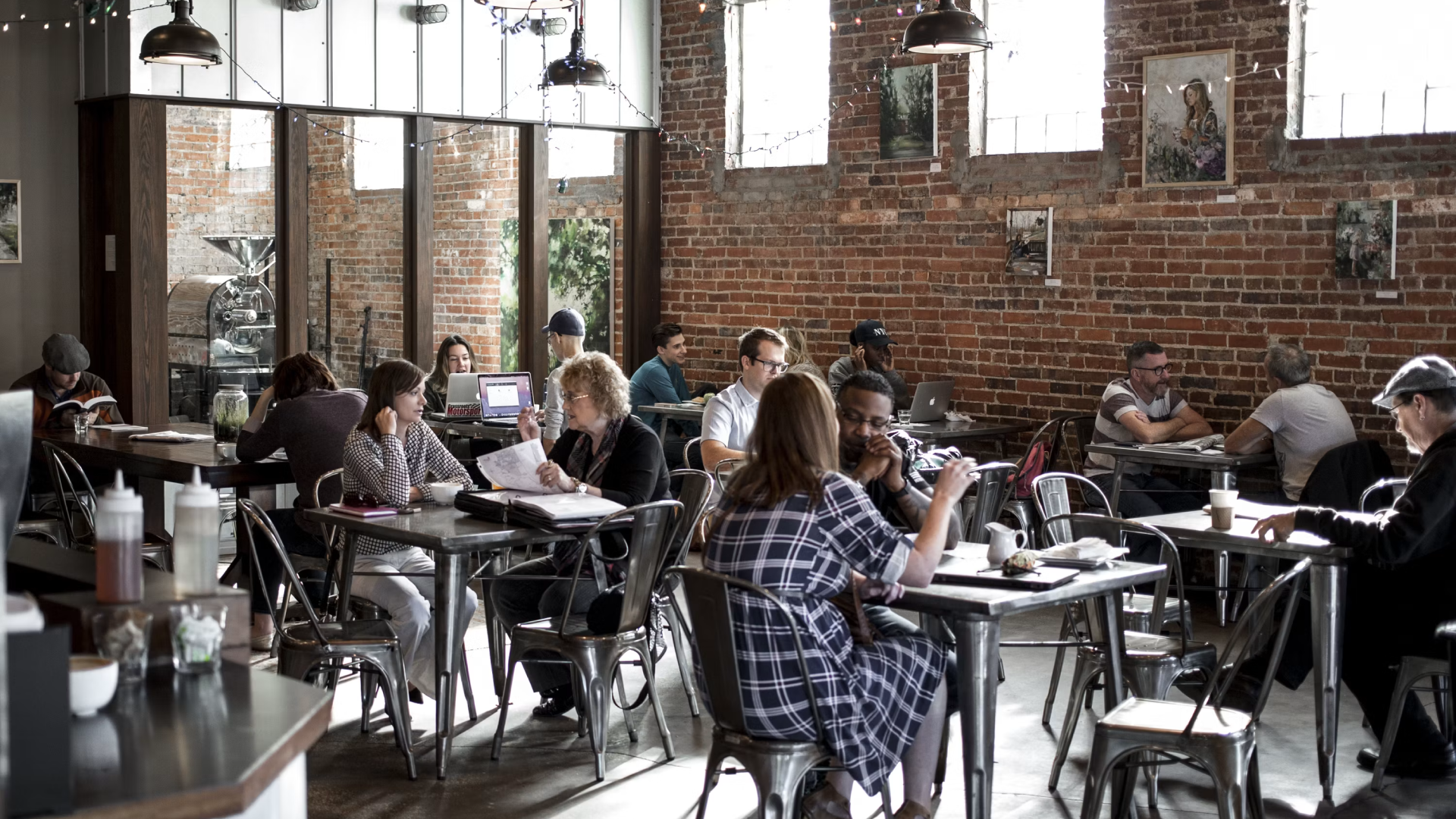
Commercial HVAC systems are designed to keep buildings comfortable throughout the day, but one factor that is often overlooked is occupancy. The number of people inside a building, how different spaces are used, and changes in daily activity all influence how hard an HVAC system must work.
Whether you manage an office building, retail store, restaurant, or another commercial property, understanding how building occupancy affects HVAC performance can help you recognize comfort issues, improve system efficiency, and better prepare for changing business needs.
Why Occupancy Matters for Commercial HVAC Systems
Every person inside a building generates heat. As occupancy increases, so does the demand on the HVAC system to maintain comfortable indoor temperatures.
Commercial buildings rarely have the same occupancy level throughout the day. Conference rooms may be empty one hour and full the next. Retail stores experience busy periods, while restaurants often see large crowds during lunch and dinner.
These changing conditions require HVAC systems to continually respond to different heating and cooling demands.
More People Mean More Heat
As more employees, customers, or visitors occupy a building, indoor temperatures naturally begin to rise.
This is especially noticeable in spaces such as:
Conference rooms
Waiting areas
Retail sales floors
Restaurant dining areas
Training rooms
Reception areas
During busy periods, these spaces may require additional cooling to maintain comfortable conditions. If the HVAC system struggles to keep up with increased occupancy, employees and customers may begin noticing uneven temperatures or reduced comfort.
Occupancy Can Create Hot and Cold Spots
One of the most common commercial HVAC complaints is uneven temperatures throughout a building. Occupancy often contributes to these hot and cold spots.
For example:
A crowded meeting room may become noticeably warmer than nearby offices.
A storage room with little activity may remain cooler throughout the day.
High-traffic customer areas may experience greater cooling demands than administrative offices.
As people move throughout the building, indoor temperatures can change quickly, making balanced HVAC performance more challenging.
Business Type Influences HVAC Demand
Different businesses experience different occupancy patterns.
Office Buildings
Occupancy generally increases during standard business hours, with meeting rooms and collaborative spaces creating changing cooling demands throughout the day. Business owners looking to manage these shifts efficiently can implement targeted commercial HVAC energy efficiency tips for office buildings.
Retail Stores
Customer traffic often varies depending on the time of day, weekends, holidays, or promotional events.
Restaurants
Dining areas and kitchens frequently experience periods of high occupancy during meal service, creating additional cooling demands.
Because every commercial property operates differently, HVAC performance requirements vary from one business to another.
Equipment and Occupancy Often Work Together
People are not the only source of indoor heat. Many occupied spaces also contain equipment that generates additional warmth, including:
Computers
Printers
Office equipment
Kitchen equipment
Commercial refrigeration systems
When employees, customers, and equipment all generate heat simultaneously, commercial HVAC systems must work harder to maintain comfortable indoor temperatures.
Changing Occupancy Throughout the Day
Commercial buildings rarely maintain the same occupancy level from morning until closing time. Businesses often experience morning arrivals, lunch rushes, afternoon meetings, customer peak hours, and evening business activity.
These changes cause heating and cooling demands to shift throughout the day. An HVAC system that performs well during low occupancy periods may experience greater strain when the building reaches peak capacity, sometimes resulting in problems like short cycling.
Seasonal Occupancy Can Affect HVAC Performance
Some businesses experience significant changes in occupancy throughout the year. Retail stores may become busier during holiday shopping seasons. Restaurants may experience seasonal increases in customers. Commercial properties may host special events or temporary workforce expansions.
When occupancy increases for extended periods, HVAC systems often operate longer to maintain indoor comfort. Understanding how weather conditions affect commercial HVAC performance alongside these crowd surges helps businesses prepare for shifting indoor dynamics.
Indoor Comfort Supports Employees and Customers
Comfortable indoor temperatures create a better environment for everyone using the building. Employees generally work more comfortably when temperatures remain consistent, while customers are more likely to enjoy spending time in comfortable commercial spaces.
Poor HVAC performance during periods of high occupancy may contribute to employee discomfort, customer complaints, uneven indoor temperatures, and reduced overall comfort throughout the building. Maintaining dependable HVAC performance and optimal indoor air quality supports day-to-day business operations.
Energy Use Often Changes With Occupancy
As occupancy increases, HVAC systems frequently consume more energy. Additional people, equipment, and longer operating hours often result in:
Increased cooling demand
Longer HVAC operating cycles
Higher utility costs
Greater workload on heating and cooling equipment
Business owners monitoring operating expenses should recognize that occupancy patterns can influence monthly energy consumption, making it vital to learn how to reduce commercial cooling costs during summer and other high-demand seasons.
Preventive Maintenance Helps Prepare for Occupancy Changes
Commercial HVAC systems operate more efficiently when they receive routine maintenance. Enrolling in established preventive maintenance programs helps identify developing issues before they become larger concerns and prepares equipment for periods of higher demand.
Routine maintenance can help:
Support reliable system performance
Improve operating efficiency
Identify worn components
Prepare systems for seasonal occupancy increases
Businesses with predictable busy seasons often benefit from knowing how often commercial HVAC systems should be serviced and scheduling maintenance before peak occupancy periods begin.
Commercial Refrigeration Businesses Have Additional Cooling Demands
Restaurants and businesses that rely on commercial refrigeration often face unique HVAC challenges. Commercial kitchens, refrigeration equipment, and increased customer traffic all contribute additional heat inside the building.
During busy operating hours, dependable HVAC performance helps maintain comfortable conditions for employees working near heat-producing equipment while also supporting customer comfort in dining and service areas. Because refrigeration equipment often operates continuously, understanding how commercial refrigeration impacts restaurant operations is an important part of overall facility management.
Signs Your HVAC System May Be Struggling With Occupancy Demands
Business owners and property managers should pay attention to changes that occur during busy periods. Some signs include:
Certain rooms becoming noticeably warmer than others
Employee or customer temperature complaints
HVAC equipment running continuously
Rising utility bills
Inconsistent temperatures throughout the building
These issues do not always indicate a major problem, but they may suggest that the HVAC system should be evaluated for immediate repair needs to avoid a complete system failure.
Working With Experienced Commercial HVAC Professionals
Every commercial property has unique occupancy patterns, operating hours, and heating and cooling requirements.
Experienced HVAC professionals can evaluate how a building is being used, identify factors affecting system performance, and recommend solutions that align with the property's specific needs. Whether a business has experienced growth, changes in occupancy, or ongoing comfort concerns, learning how to choose the right commercial HVAC contractor ensures you get the right professional guidance to keep daily operations running smoothly.
Supporting Long-Term Comfort and Performance
Building occupancy is one of the many factors that influence commercial HVAC performance. As employee numbers, customer traffic, and daily business activities change, heating and cooling systems must continually adapt to maintain comfortable indoor conditions.
Understanding how occupancy affects HVAC performance allows business owners and property managers to better recognize potential issues, plan for changing demands, and maintain a comfortable environment throughout the year.
With regular preventive maintenance and timely attention to performance concerns, commercial HVAC systems can continue supporting employee comfort, customer satisfaction, and reliable day-to-day operations across a wide range of commercial properties.
