
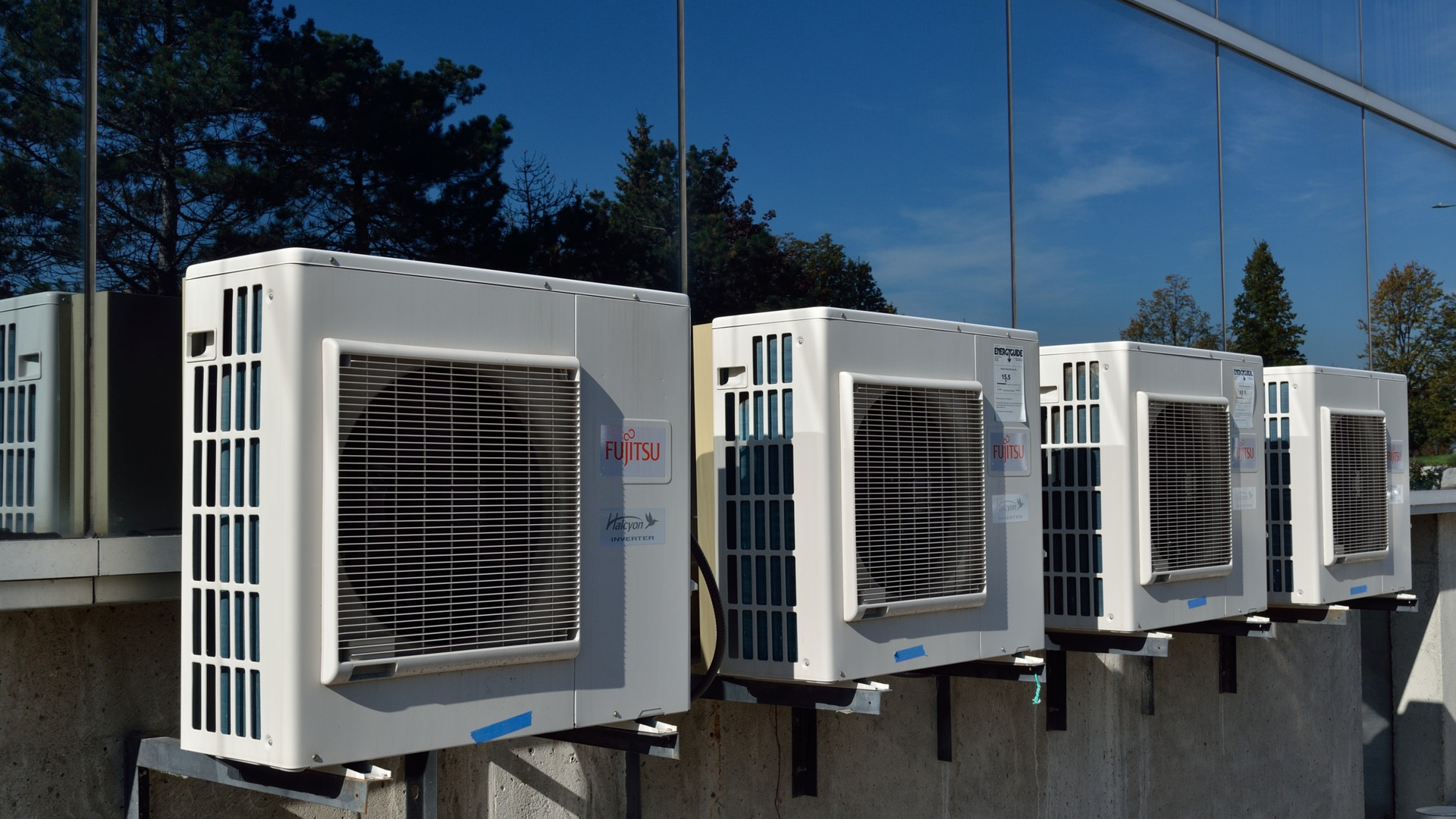
A dependable air conditioning system is essential for maintaining a comfortable and productive commercial environment. Whether it serves an office, retail store, restaurant, warehouse, or other business facility, a commercial AC system works hard to keep indoor temperatures consistent, especially during periods of high demand.
When a commercial air conditioner stops cooling properly, it can instantly affect employees, customers, and daily operations. In many cases, cooling problems develop gradually, giving business owners an opportunity to address smaller issues before they lead to unexpected breakdowns.
According to Elite Quality HVAC, routine maintenance and professional HVAC service help support reliable system performance and long-term operation.
Why Commercial AC Performance Declines
Commercial HVAC systems often operate for extended hours, particularly during warmer months. Continuous operation naturally creates wear on system components, and without regular maintenance, small issues can gradually affect cooling performance.
A system that is not cooling properly may experience:
Longer operating cycles
Uneven indoor temperatures
Reduced airflow
Increased energy usage
Greater strain on equipment
Recognizing the common causes of these problems can help businesses respond before operations are disrupted. For example, staying ahead of performance dips requires knowing the 7 signs your commercial HVAC system needs immediate repair to avoid a full-scale operational shutdown.
Dirty Air Filters Can Restrict Airflow
One of the most common reasons a commercial AC system loses cooling efficiency is restricted airflow caused by dirty air filters. When filters become clogged, the system may struggle to circulate air effectively throughout the building. This can force the equipment to work harder while delivering less consistent cooling.
Potential signs of restricted airflow include:
Weak airflow from vents
Rooms that cool unevenly
Longer cooling cycles
Reduced overall comfort
Regular filter inspections and replacements are a simple but important part of ongoing HVAC maintenance.
Lack of Preventive Maintenance
Preventive maintenance helps identify developing HVAC concerns before they become larger operational problems. Businesses frequently wonder how often should commercial HVAC systems be serviced to avoid sudden cooling drops; generally, a quarterly review is ideal for heavy-use commercial environments.
According to Elite Quality HVAC Preventive Maintenance Programs, preventive maintenance programs are designed to help support reliable HVAC and refrigeration system performance through routine inspections and service.
Without regular maintenance, businesses may experience:
Declining system efficiency
Increased wear on components
Reduced cooling performance
Greater likelihood of unexpected repairs
Routine inspections allow technicians to evaluate overall system condition and identify issues early. To protect your bottom line, it is helpful to look at the data on why preventive HVAC maintenance saves businesses thousands in emergency repair bills and premature system replacements.
                  [ Clogged Filter / Neglected Tune-Up ]
                                   │
                                   ▼
                       [ Restricted Airflow ]
                                   │
                                   ▼
        [ System Works Harder & Runs Longer To Match Thermostat ]
                                   │
                ┌──────────────────┴──────────────────┐
                ▼                                     ▼
   [ Rapid Component Wear ]                 [ Skyrocketing Utility Bills ]
Thermostat or Control Issues
Commercial HVAC systems rely on complex thermostats and computerized control systems to regulate indoor temperatures across multiple zones. If these controls are not functioning correctly, the AC system may struggle to maintain set temperatures, turn on and off too frequently (known as short-cycling), run longer than necessary, or deliver highly inconsistent cooling.
When building temperatures no longer match your thermostat settings, a professional evaluation may be necessary to determine if the issue lies within the control wiring, sensor calibration, or the air handler itself.
Blocked or Restricted Airflow
Proper airflow is absolutely essential for efficient cooling. Several factors can contribute to airflow restrictions, including blocked vents, heavy dust accumulation, obstructed return air pathways, and dirty filters.
Restricted airflow makes it difficult for conditioned air to circulate throughout the building, reducing comfort and increasing system strain. It also poses severe risks to your equipment's health; reading up on what happens when you skip preventive HVAC maintenance underscores how poor airflow can eventually cause a system compressor to fail entirely.
The commercial HVAC services available through Elite Quality HVAC Commercial HVAC Services help businesses address airflow concerns and maintain dependable HVAC performance year-round.
Outdoor Unit Obstructions
Commercial AC systems require adequate airflow around outdoor equipment—such as rooftop units or ground-level condenser pads—to dump the heat extracted from inside your building. Over time, outdoor debris such as leaves, dirt, grass clippings, and wild vegetation growth can accumulate around the outdoor unit and affect overall heat exchange performance.
Keeping the surrounding area clean and unobstructed helps support proper airflow and system operation. For companies utilizing rooftop configurations, learning the specific warning signs your rooftop HVAC unit needs repair can help you spot outdoor restrictions before they trigger an automatic system shutdown.
Heavy Summer Demand Can Increase System Strain
Commercial cooling systems always experience their greatest workload during peak summer months. High outdoor temperatures combined with long operating hours place incredible stress on HVAC equipment. Buildings with high occupancy levels, electronics heat loads, or frequent exterior door openings experience even greater cooling demands.
During these high-stress periods, systems that have not received seasonal maintenance are the most likely to struggle with cooling performance. Facility managers should review proven commercial HVAC energy efficiency tips for office buildings to help keep equipment running smoothly when outdoor temperatures soar.
Uneven Temperatures Throughout the Building
If certain areas of a commercial property remain warm and humid while others feel comfortable, the HVAC system is likely experiencing systemic airflow or air balancing performance issues. Uneven temperatures can result from restricted airflow, HVAC system imbalance, aging ductwork, or general component wear.
Businesses should closely monitor temperature consistency across different departments and structural zones, and schedule professional inspections if significant variations occur. Implementing strategies on how to reduce commercial cooling costs during summer can also assist in leveling out zonal cooling variances without breaking the utility budget.
Continuous Operation Without Adequate Maintenance
Commercial AC systems often run for many consecutive hours each day to support business hours or protect temperature-sensitive inventory. Over time, continuous operation contributes to normal wear on internal mechanical components.
Without routine service, this wear may gradually affect:
Cooling consistency
Airflow quality
Overall system efficiency
Equipment reliability
Preventive maintenance helps technicians monitor system condition dynamically and identify developing concerns before they lead to larger operational issues or permanent compressor damage.
Unusual Noises May Indicate Developing Problems
Commercial HVAC systems typically produce a steady hum during operation, but new, jarring, or unusual sounds should never be ignored. Business owners and maintenance staff should pay close attention to noises such as grinding, rattling, squealing, or banging.
These sounds are often clear warnings that a belt, bearing, fan blade, or electrical contactor is close to failing. Addressing unusual noises early via targeted emergency commercial HVAC repairs may help prevent a minor mechanical issue from destroying more expensive components down the line.
Rising Energy Bills Can Signal Reduced Efficiency
An unexpected, sharp increase in utility costs is a classic indicator that your commercial AC system is no longer operating efficiently. When cooling equipment has to work twice as hard or run twice as long just to maintain baseline indoor temperatures, energy usage spikes dramatically.
Common maintenance-related factors that destroy efficiency include:
Dirty or impacted air filters
Major airflow restrictions
Mechanical system wear
Neglected coil maintenance
Monitoring monthly energy costs alongside your day-to-day HVAC performance can help businesses recognize hidden system issues early, even before the building starts losing its cooling capacity.
Seasonal HVAC Tune-Ups Help Prepare Systems for Summer
One of the best ways to help reduce cooling problems is by scheduling preventive maintenance before peak summer temperatures arrive. Seasonal inspections help technicians systematically evaluate cooling performance, airflow operation, overall system condition, and signs of developing wear.
Residential Note: Keeping commercial spaces cool is critical, but home comfort matters just as much. Homeowners can take advantage of the same proactive philosophy by utilizing a residential HVAC maintenance checklist for homeowners and discovering the benefits of seasonal HVAC tune-ups for homes to keep their families comfortable during extreme weather.
Preparing your commercial HVAC system before heavy seasonal demand arrives is the single best strategy to reduce the risk of unexpected, costly cooling interruptions.
Why Commercial Refrigeration Needs Equal Attention
For many commercial operations—especially restaurants, grocery stores, hotels, and food production plants—cooling extends far beyond indoor air comfort. Keeping inventory cold is a matter of business survival and regulatory compliance.
According to Elite Quality HVAC Commercial Refrigeration Services, dependable commercial refrigeration performance is essential for business continuity. Just like AC units, walk-ins and freezers can suffer from cooling failures due to poor maintenance.
Refrigeration Resource GuideKey Operational InsightCommon Commercial Refrigeration Problems Restaurants FaceFocuses on evaporator coils, temperature control leaks, and torn gaskets.Top Causes of Walk-In Cooler FailureAnalyzes ice buildup, compressor overload, and ventilation blockages.Why Your Commercial Freezer Is Not Maintaining TemperatureDetails defrost clock errors, low refrigerant charges, and fan motor wear.Why Commercial Refrigeration Maintenance Matters for Food SafetyOutlines bacterial prevention and local health department standards.Commercial Refrigeration Repair vs. ReplacementHelps managers run a clear cost-benefit analysis on aging equipment.
Why Professional Commercial HVAC Service Matters
Commercial HVAC systems are significantly larger, more complex, and handle much higher air volumes than residential equipment. They involve intricate three-phase electrical systems, variable air volume (VAV) boxes, and integrated dampening systems. Professional evaluation helps ensure that complex performance concerns are properly diagnosed and addressed without risking worker safety or code violations.
According to the Elite Quality HVAC About Page, the company provides comprehensive HVAC and refrigeration services focused on quality workmanship and dependable customer service. Professional technicians can inspect heavy-duty HVAC equipment, evaluate precise cooling performance metrics, and identify developing issues that may not be obvious during everyday facility management.
Preventive Maintenance Helps Support Long-Term Cooling Performance
Routine maintenance remains one of the most effective ways to help maintain dependable commercial AC performance year over year. Businesses that prioritize preventive HVAC care are consistently better positioned to:
Maintain consistent, welcoming indoor comfort
Improve localized airflow and humidity performance
Reduce unnecessary mechanical system strain
Minimize catastrophic, unexpected breakdowns
Support long-term equipment reliability
The preventive maintenance insights and service options available through the Elite Quality HVAC Blog help businesses maintain reliable HVAC operation through regular inspections and ongoing expert service.
Early Attention Helps Prevent Larger Cooling Problems
Commercial AC systems rarely stop cooling properly without warning. In nearly every case, small issues such as restricted airflow, dirty filters, thermostat calibration concerns, or neglected maintenance gradually degrade overall performance until a major component fails.
By recognizing these warning signs and investing in routine preventive maintenance, businesses can help support reliable cooling, maintain comfortable indoor environments, and drastically reduce the likelihood of unexpected HVAC disruptions. For more information about commercial HVAC services, proactive maintenance programs, or refrigeration support, visit the Elite Quality HVAC Contact Page.
