
Commercial HVAC Zoning: Benefits for Multi Room Buildings
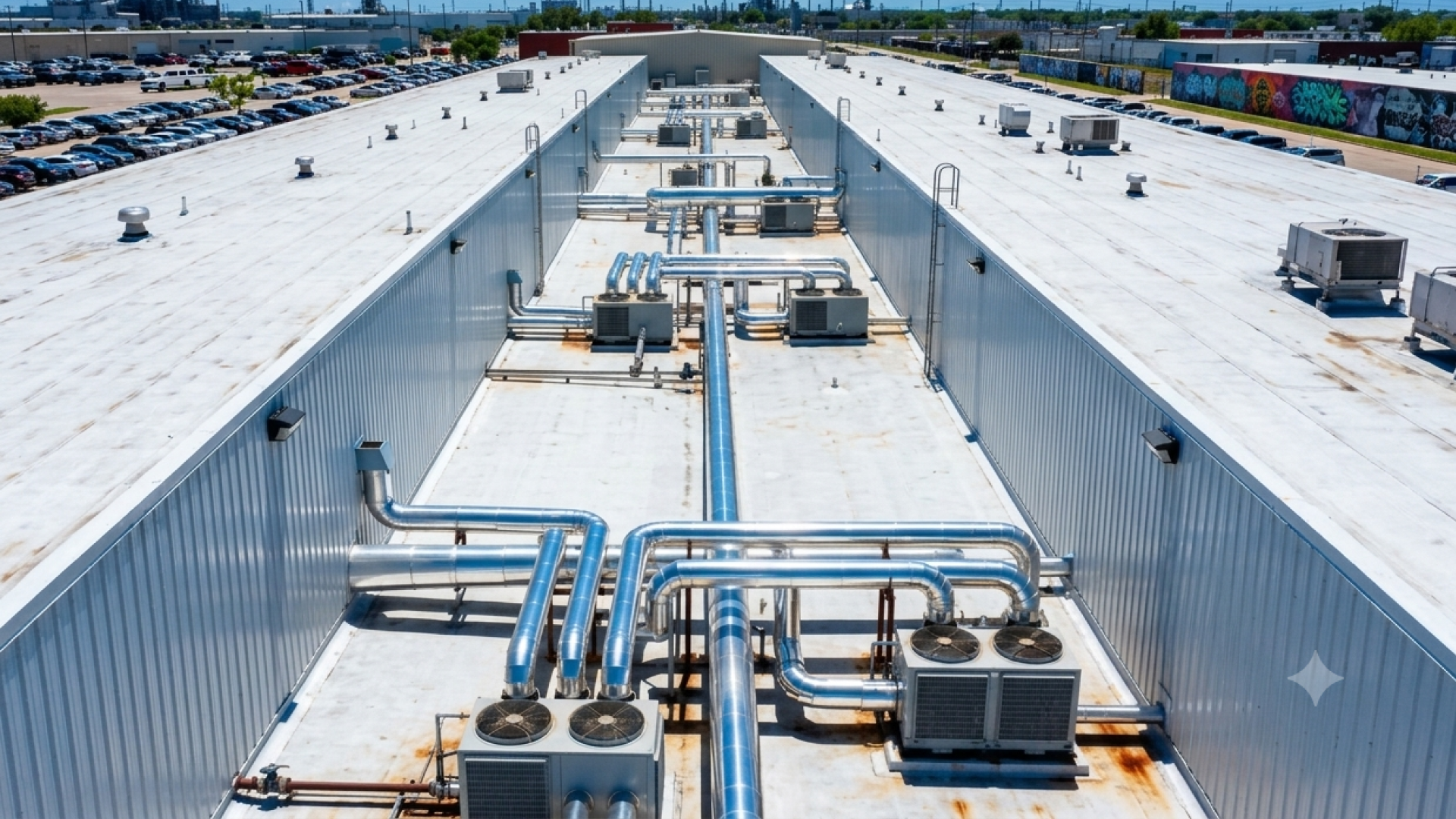
Maintaining comfortable temperatures throughout a commercial building can be challenging, especially when different areas have different heating and cooling needs. An office with large windows may warm up quickly during the afternoon, while an interior conference room may remain much cooler. Restaurants, retail stores, and commercial facilities also experience varying occupancy levels that affect indoor comfort throughout the day.
Commercial HVAC zoning is one approach to managing these differences. By allowing different areas of a building to be controlled independently, zoning can help improve comfort, support more efficient HVAC operation, and better accommodate the way commercial spaces are used.
For business owners and property managers, understanding the benefits of HVAC zoning can help when planning system upgrades or replacing existing commercial HVAC equipment.
What Is Commercial HVAC Zoning?
Commercial HVAC zoning divides a building into separate areas, or zones, that can be managed independently for heating and cooling.
Instead of treating the entire building as a single space with one temperature setting, zoning allows different sections of the property to have temperature control based on their specific needs.
This approach is particularly beneficial in commercial buildings where occupancy, sunlight exposure, and daily activities vary from one area to another.
Why Multi Room Buildings Experience Temperature Differences
Many commercial buildings have multiple rooms that serve different purposes.
Examples include:
Private offices
Conference rooms
Reception areas
Break rooms
Retail spaces
Restaurant dining areas
Storage rooms
These spaces rarely have identical heating and cooling requirements.
Some rooms receive more sunlight, while others contain more equipment or experience heavier foot traffic. As a result, maintaining one consistent temperature throughout the entire building can be difficult.
Reduce Hot and Cold Spots
Uneven temperatures are one of the most common concerns in commercial buildings.
Employees may complain that one office feels too warm while another feels too cold. Customers may notice inconsistent comfort levels as they move throughout a retail store or restaurant.
HVAC zoning helps address these differences by allowing individual zones to respond to their own heating and cooling needs rather than relying on a single setting for the entire building. If you are struggling with this issue, learn more about why your commercial building has hot and cold spots to understand the underlying causes.
This can create a more balanced indoor environment across multiple rooms.
Improve Employee Comfort
Comfortable employees are an important part of a productive workplace.
Temperature differences between offices, meeting rooms, and shared workspaces can become a source of ongoing frustration if the HVAC system cannot accommodate different areas of the building.
Commercial HVAC zoning helps support more consistent comfort by allowing various parts of the building to be managed independently based on how they are used throughout the day. Exploring commercial HVAC upgrades that improve employee comfort can further boost productivity and satisfaction.
Create a Better Customer Experience
Customer comfort is just as important as employee comfort.
Businesses such as restaurants, retail stores, and customer service offices depend on comfortable indoor environments to create positive experiences for visitors.
If dining areas, waiting rooms, or sales floors become noticeably warmer or cooler than the rest of the building, customer satisfaction may be affected.
Zoning helps provide greater flexibility when managing comfort in customer facing spaces.
Support Buildings With Changing Occupancy
Commercial buildings rarely maintain the same occupancy throughout the day.
For example:
Conference rooms may be occupied only during scheduled meetings.
Reception areas experience varying visitor traffic.
Restaurant dining rooms become busier during meal service.
Retail stores often experience peak shopping hours.
These changing occupancy levels affect indoor temperatures because more people generate additional heat. Understanding how building occupancy affects commercial HVAC performance is essential for maintaining consistent climate control.
Commercial HVAC zoning allows different areas of the building to respond more effectively to these changing conditions.
Better Temperature Control for Different Building Uses
Every area of a commercial property has unique heating and cooling demands.
For example:
Offices may require consistent comfort throughout the workday.
Break rooms often experience intermittent occupancy.
Storage areas may have different temperature needs than customer spaces.
Restaurants have dining areas and kitchens with different operating conditions.
Zoning allows building owners to better manage these differences while maintaining comfortable conditions throughout the property, especially when learning how to improve HVAC performance in large commercial spaces.
Improve Overall HVAC Efficiency
Commercial HVAC systems often operate for many hours each day.
When heating and cooling are better matched to how different areas of the building are used, the system can avoid unnecessarily conditioning every space in the same way at all times. Check out these commercial HVAC energy efficiency tips for office buildings for more ways to cut operational costs.
More efficient operation can help support:
Consistent indoor comfort
Reduced unnecessary system operation
Better overall HVAC performance
Improved management of heating and cooling demands
For businesses focused on managing operating expenses, discovering how to reduce commercial cooling costs during summer through better HVAC efficiency is often an important consideration.
Adapt to Seasonal Weather Changes
Outdoor weather conditions influence how different areas of a building heat up or cool down.
Rooms with large windows may become warmer during sunny summer afternoons, while areas near exterior entrances may feel cooler during winter. Understanding how weather conditions affect commercial HVAC performance highlights the need for adaptive systems.
Because these conditions affect different parts of the building in different ways, zoning provides greater flexibility for maintaining comfort as seasons change.
Support Commercial Refrigeration Environments
Restaurants and businesses that depend on commercial refrigeration equipment often face additional indoor temperature challenges.
Commercial kitchens, refrigeration equipment, and food preparation areas generate heat that can affect nearby workspaces.
HVAC zoning can help improve comfort by allowing these areas to be managed differently from customer seating or office spaces, helping create a more comfortable environment throughout the facility.
Preventive Maintenance Remains Essential
While HVAC zoning can improve comfort and system management, routine preventive maintenance programs remain an important part of keeping commercial HVAC equipment operating effectively.
Preventive maintenance helps:
Support reliable HVAC performance
Identify potential issues early
Prepare systems for seasonal heating and cooling demands
Promote efficient equipment operation
Knowing why preventive HVAC maintenance saves businesses thousands reinforces why regular service helps ensure the HVAC system continues performing as intended, regardless of how the building is divided into zones.
Signs Your Building May Benefit From HVAC Zoning
Business owners and property managers may want to consider whether their building could benefit from zoning if they notice:
Frequent hot and cold spots
Ongoing employee temperature complaints
Uneven comfort between rooms
Different occupancy levels throughout the building
Rising energy costs associated with HVAC operation
These concerns do not automatically mean zoning is required, but reviewing why businesses need routine HVAC inspections can help determine if a professional evaluation would be beneficial.
Working With Experienced Commercial HVAC Professionals
Every commercial building has unique heating and cooling requirements. The size of the property, room layout, occupancy patterns, and daily operations all influence how an HVAC system performs.
Knowing how to choose the right commercial HVAC contractor for your business ensures you get an experienced team to evaluate the building, identify comfort challenges, and recommend solutions based on the property's specific needs. Whether addressing uneven temperatures, planning a system replacement, or improving overall HVAC performance, a professional assessment helps ensure recommendations are tailored to the building rather than applying a one size fits all approach. Learn more about our team or contact us to explore tailored climate solutions for your facility.
Improving Comfort Across Every Room
Multi room commercial buildings often experience varying heating and cooling demands throughout the day. Differences in occupancy, sunlight, equipment, and room usage can make maintaining consistent temperatures challenging with a single approach.
Commercial HVAC zoning provides greater flexibility by allowing different areas of a building to be managed according to their individual comfort needs. When combined with routine preventive maintenance and professional HVAC service, zoning can help support consistent indoor comfort, improve overall system performance, and create a better environment for employees, customers, and visitors across the entire property. Visit our HVAC blog for more insights on optimizing commercial climate systems.
