
How Smart HVAC Controls Help Reduce Commercial Operating Costs
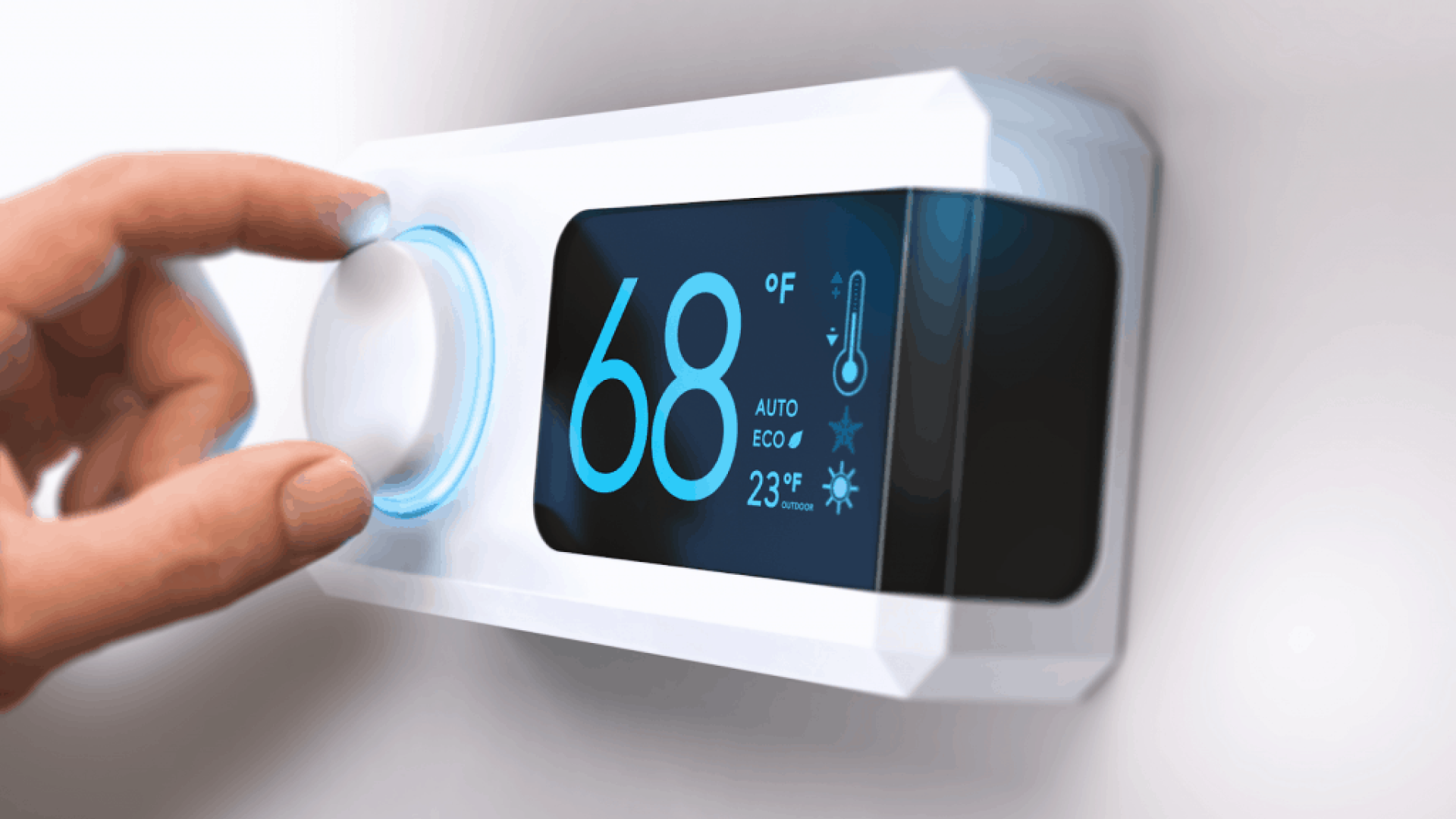
Managing a commercial building involves balancing employee comfort, customer satisfaction, and operating expenses. One area that often has a significant impact on day to day costs is the HVAC system. Heating and cooling equipment operates for long hours in many commercial properties, making efficient system management an important part of controlling overhead.
Smart HVAC controls help businesses operate their heating and cooling systems more effectively by improving how equipment is monitored and managed. For business owners, property managers, restaurants, and retail facilities, these controls can support better system performance while helping reduce commercial operating costs.
What Are Smart HVAC Controls?
Smart HVAC controls are systems that help manage how commercial heating and cooling equipment operates. Instead of relying solely on manual adjustments, these controls allow building operators to better monitor and regulate HVAC performance based on the building's needs.
Rather than having equipment operate the same way all day, smart controls can help ensure heating and cooling systems are used more efficiently. For commercial buildings with changing occupancy levels and varying operating hours, better system control can make a noticeable difference in daily operations.
Why Commercial HVAC Efficiency Matters
Commercial HVAC systems often run throughout the workday and, in some businesses, around the clock. Offices, restaurants, retail stores, and other commercial properties depend on reliable indoor comfort for employees and customers.
When HVAC equipment operates longer than necessary or struggles to maintain consistent temperatures, businesses may experience:
Higher utility costs
Increased equipment wear
Inconsistent indoor comfort
More frequent maintenance needs
Improving how the HVAC system is managed can help address these challenges while supporting overall building energy efficiency.
Reduce Unnecessary Energy Use
One of the biggest advantages of smart HVAC controls is reducing unnecessary heating and cooling.
Commercial buildings are not always occupied at full capacity. Meeting rooms may sit empty for hours, retail traffic changes throughout the day, and office occupancy varies depending on schedules.
By managing HVAC operation more effectively, businesses can avoid conditioning spaces more than necessary while still maintaining comfortable indoor environments when they are occupied.
Better Scheduling Supports Lower Operating Costs
Every business follows its own daily schedule.
Restaurants may experience lunch and dinner rushes. Offices often operate during standard business hours. Retail stores have varying customer traffic depending on the time of day.
Smart HVAC controls allow building operators to align heating and cooling schedules with normal business operations instead of running systems continuously. Scheduling HVAC operation around building occupancy is one of the top strategies used to improve energy efficiency.
Improve Temperature Consistency Throughout the Building
Uneven temperatures are one of the most common complaints in commercial buildings.
Employees may find one office too warm while another feels too cold. Customers may notice uncomfortable conditions in waiting areas or retail spaces. If you notice hot and cold spots, smart controls can help target those balance issues directly.
Smart controls help monitor system performance, making it easier to maintain more consistent temperatures throughout the building. Better control over HVAC operation contributes to improved employee comfort while helping reduce unnecessary equipment strain.
Monitor HVAC Performance More Effectively
Commercial HVAC equipment performs best when building operators have visibility into how the system is operating.
Smart HVAC controls make it easier to monitor equipment performance, allowing facility managers to view system status and identify potential concerns more quickly. Remote monitoring capabilities can also reduce the need to manually check equipment across large facilities.
Improved monitoring supports faster responses when operating conditions change, helping to optimize performance in large commercial spaces.
Identify Problems Before They Become Larger Issues
Unexpected HVAC problems can interrupt business operations and create uncomfortable conditions for employees and customers.
Smart HVAC controls can provide alerts when equipment is not operating as expected, allowing building operators to respond before minor concerns become more significant. This proactive approach supports maintenance planning and may help reduce unplanned downtime or the need for emergency commercial HVAC repairs.
Support Preventive Maintenance Programs
Preventive maintenance remains one of the most important ways to protect commercial HVAC equipment.
While smart controls improve system monitoring, routine maintenance is still essential for keeping equipment operating efficiently.
Preventive maintenance programs help:
Support reliable HVAC performance
Identify developing issues
Prepare equipment for seasonal demands
Promote efficient system operation
Combining preventive HVAC maintenance with improved system monitoring helps businesses protect their HVAC investment throughout the year and extend equipment lifespan.
Occupancy Changes Become Easier to Manage
Commercial buildings rarely maintain the same occupancy level throughout the day.
For example:
Offices have scheduled meetings.
Restaurants experience meal time rushes.
Retail stores have peak shopping periods.
Waiting areas fill and empty throughout the day.
Smart HVAC controls allow heating and cooling operation to better reflect these changing occupancy patterns, helping reduce unnecessary energy use while maintaining comfort when spaces are in use. These strategies are particularly beneficial when implemented as part of routine maintenance for property managers.
Help Extend Equipment Performance
Commercial HVAC systems represent a significant investment for any business.
Reducing unnecessary runtime and improving how equipment operates can help minimize excess strain on system components. While every HVAC system requires regular maintenance, efficient operation supports long term system performance and protects against issues like short cycling.
Business owners who actively manage HVAC operation often place less unnecessary demand on their equipment during normal business hours.
Benefits for Restaurants and Commercial Refrigeration Businesses
Restaurants and other businesses that rely on commercial refrigeration often have unique climate control requirements.
Commercial kitchens, refrigeration equipment, and customer traffic all generate additional heat inside the building.
Using smart HVAC controls can help businesses better manage indoor comfort while supporting efficient HVAC operation in environments where heating and cooling demands frequently change.
Combined with regular maintenance for both HVAC and commercial refrigeration equipment, improved system control helps support smoother daily operations and prevents costly commercial refrigeration problems.
Reduce Operating Costs Without Sacrificing Comfort
Lower operating costs do not have to come at the expense of employee or customer comfort.
Smart HVAC controls are designed to help businesses:
Better manage heating and cooling schedules
Improve temperature consistency
Reduce unnecessary equipment operation
Monitor HVAC performance more effectively
Support preventive maintenance efforts
When heating and cooling systems operate more efficiently, businesses are often better positioned to manage ongoing operating expenses while maintaining comfortable indoor environments.
When Should Businesses Consider Upgrading HVAC Controls?
Business owners may want to evaluate their HVAC controls if they notice:
Frequent temperature complaints
HVAC equipment running continuously
Uneven temperatures throughout the building
Difficulty managing comfort during changing occupancy levels
These issues do not always mean new controls are required, but they may indicate that the overall HVAC system would benefit from routine HVAC inspections or professional evaluation.
Working With Experienced Commercial HVAC Professionals
Every commercial building has different operating hours, occupancy patterns, and heating and cooling requirements.
Experienced commercial HVAC professionals can evaluate existing equipment, review system performance, and recommend solutions that align with the property's operational needs. Knowing how to choose the right commercial HVAC contractor ensures your upgrades are implemented effectively.
Whether the goal is improving efficiency, supporting preventive maintenance, or creating a more comfortable indoor environment, professional guidance helps ensure HVAC improvements are based on the specific needs of the building.
Improving Efficiency Through Smarter HVAC Management
Commercial HVAC systems play an essential role in maintaining comfortable indoor conditions while supporting daily business operations. Smart HVAC controls give business owners and property managers greater visibility into how their systems operate, making it easier to manage energy use, improve temperature consistency, and respond to changing building demands.
When combined with routine preventive maintenance and professional HVAC service, smart controls can help commercial buildings operate more efficiently, reduce unnecessary operating costs, and maintain dependable comfort for employees, customers, and visitors throughout the year. Contact us today to learn how smart controls can improve your commercial property's energy efficiency.
