What Causes Uneven Cooling in Commercial Office Buildings?
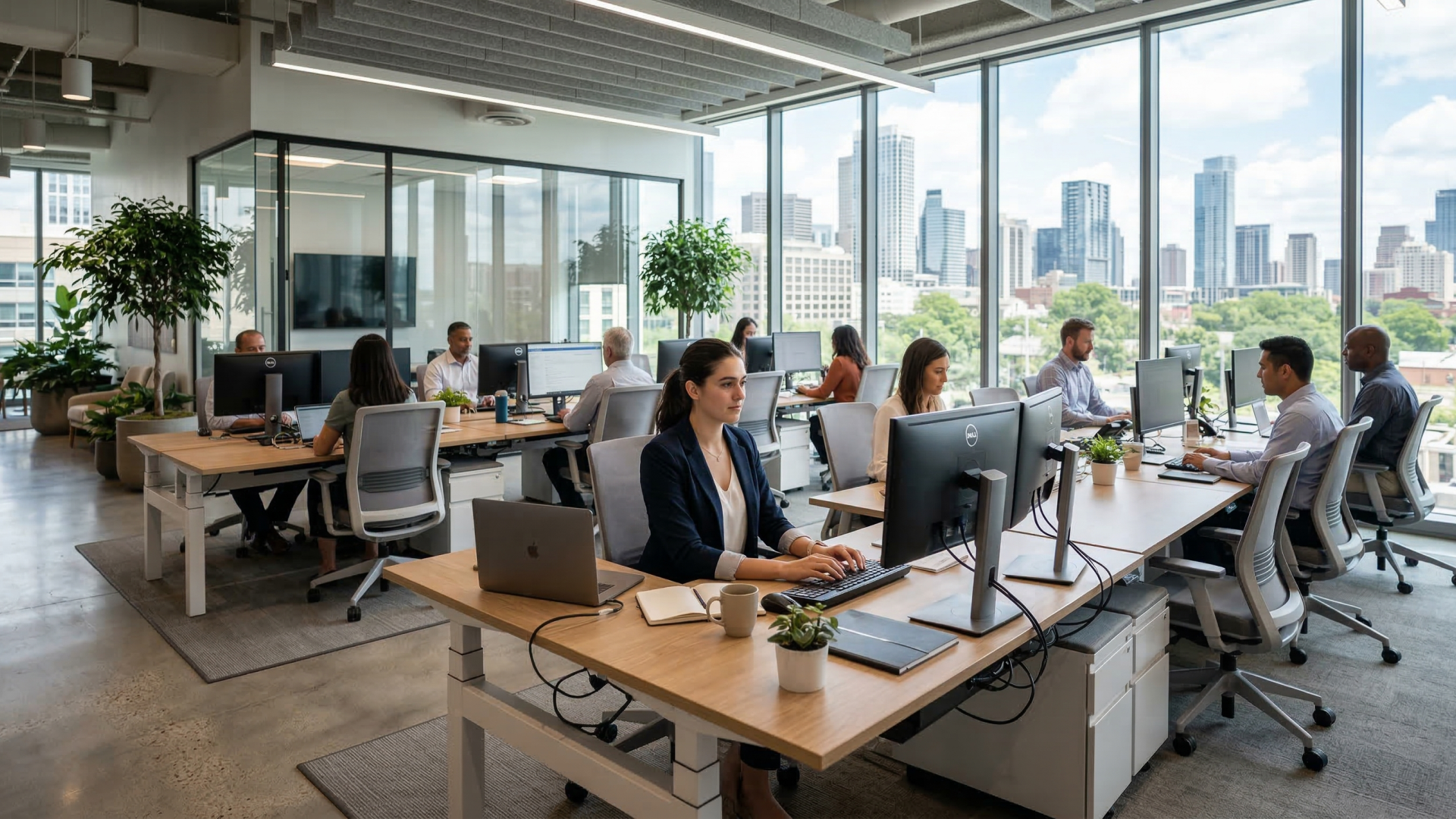
Maintaining a comfortable temperature throughout a commercial office building is not always as simple as adjusting the thermostat. Many business owners and property managers notice that one office feels cool and comfortable while another feels noticeably warmer. These uneven cooling issues can affect employee comfort, increase energy consumption, and lead to frequent complaints from building occupants.
Uneven cooling is often the result of several factors working together rather than a single problem. Understanding the most common causes can help businesses recognize when their commercial HVAC system may need professional attention.
What Is Uneven Cooling?
Uneven cooling occurs when different areas of a commercial office building maintain different temperatures, even though they are connected to the same HVAC system.
For example:
Private offices may feel warmer than open workspaces.
Conference rooms may become uncomfortable during meetings.
Areas near windows may heat up faster in the afternoon.
Interior offices may remain cooler than perimeter spaces.
These temperature differences can become more noticeable during periods of hot weather when cooling systems are working harder.
Inconsistent Airflow Throughout the Building
One of the most common causes of uneven cooling is inconsistent airflow.
A commercial HVAC system is designed to distribute cooled air throughout the building. If some areas receive less airflow than others, maintaining consistent temperatures becomes difficult.
Poor airflow may contribute to:
Warm offices
Uneven temperatures between rooms
Longer cooling cycles
Reduced indoor comfort
When airflow is not balanced, certain areas may never reach the desired temperature while others cool more quickly. For larger properties, learning how to improve HVAC performance in large commercial spaces can significantly help resolve airflow imbalances.
Building Layout Can Influence Cooling Performance
Every commercial office building has a unique layout that affects how cooled air moves through the space.
Features that may influence indoor temperatures include:
Multiple offices
Open work areas
Conference rooms
Hallways
Reception areas
Break rooms
Different room sizes and layouts create varying cooling demands throughout the building. If a system is improperly sized for the layout, it can lead to major temperature discrepancies. Understanding why HVAC system sizing matters for commercial buildings is essential when assessing performance issues across different zones.
Sunlight and Window Exposure
Natural sunlight has a significant impact on indoor temperatures.
Offices with large windows or direct afternoon sun often become warmer than interior workspaces, even when the HVAC system is operating normally.
Temperature differences are commonly noticed between:
Exterior offices and interior offices
South facing and north facing areas
Window lined workspaces and enclosed rooms
As the sun moves throughout the day, cooling demands can also change. Exploring targeted commercial HVAC energy efficiency tips for office buildings can help offset these solar heat gains.
Occupancy Changes Throughout the Day
Office occupancy rarely stays the same from morning to evening.
Conference rooms may be empty one hour and filled with employees the next. Training sessions, meetings, and collaborative workspaces often generate additional heat because more people are occupying the space.
Higher occupancy can result in:
Increased cooling demand
Warmer meeting rooms
Temporary hot spots
Greater HVAC workload
Understanding how building occupancy affects commercial HVAC performance can help managers better anticipate temperature spikes during busy working hours.
Office Equipment Produces Additional Heat
Modern offices contain equipment that generates heat throughout the workday.
Examples include:
Computers
Printers
Copy machines
Servers
Other electronic equipment
Areas with more equipment often require additional cooling compared to spaces with fewer heat producing devices. This additional heat load can contribute to uneven cooling if the HVAC system is already working near its capacity.
Seasonal Weather Affects Cooling Performance
Outdoor weather directly affects commercial HVAC performance.
During periods of extreme summer heat, cooling equipment works harder to maintain indoor temperatures. Understanding how weather conditions affect commercial HVAC performance helps explain why existing comfort issues often become more noticeable when outdoor temperatures rise.
Seasonal weather may increase:
Cooling demand
HVAC runtime
Energy consumption
Temperature differences throughout the building
Preparing HVAC equipment before peak cooling season helps support reliable performance during the hottest months of the year.
Aging HVAC Equipment
As commercial HVAC systems accumulate years of operation, normal wear can affect overall performance.
An aging system may have greater difficulty maintaining consistent temperatures throughout the building, particularly during periods of heavy demand. If you're unsure of your equipment's age, reviewing what is the average lifespan of a commercial HVAC system can give you a better idea of where your equipment stands.
Business owners may notice:
Rooms cooling at different rates
More frequent comfort complaints
Longer operating cycles
Increased utility costs
When performance drops significantly, understanding what business owners should know before replacing a commercial HVAC system can make the decision process much smoother.
Thermostat Issues Can Affect Temperature Control
The thermostat plays an important role in managing commercial HVAC performance.
If the thermostat is not accurately responding to building conditions, the system may not cool every area consistently. Reviewing common thermostat problems in commercial HVAC systems can help you determine whether your controls are working correctly.
Signs that temperature control may need attention include:
Frequent thermostat adjustments
Indoor temperatures that do not match thermostat settings
HVAC equipment running longer than expected
Inconsistent comfort throughout the office
In many modern facilities, upgrading to smart HVAC controls helps reduce commercial operating costs while giving managers precise control over different zones.
Hot and Cold Spots Often Develop Gradually
Many businesses do not notice uneven cooling immediately.
Instead, temperature differences often develop over time as building usage changes or HVAC equipment experiences normal wear. Knowing why your commercial building has hot and cold spots can help you pinpoint whether the problem stems from airflow, ductwork, or system capacity.
Employees may begin reporting:
Offices that always feel warm
Conference rooms that become uncomfortable during meetings
Areas near windows that are difficult to cool
Temperature differences between departments
Recognizing these patterns early allows businesses to address concerns before they become more disruptive.
Preventive Maintenance Helps Support Consistent Cooling
Routine maintenance is one of the most effective ways to support commercial HVAC performance.
Setting up structured preventive maintenance programs helps identify developing concerns before they affect employee comfort or building operations.
Preventive maintenance can help:
Support efficient HVAC operation
Improve overall system performance
Identify worn components
Prepare equipment for seasonal cooling demands
Understanding why preventive HVAC maintenance saves businesses thousands highlights how routine care prevents major component failures and lowers monthly operational costs.
Why Consistent Cooling Matters for Office Buildings
Maintaining comfortable indoor temperatures benefits both employees and visitors.
Consistent cooling helps support:
Employee comfort throughout the workday
A welcoming environment for clients and guests
Better temperature consistency between offices
Reliable day to day business operations
Investing in key commercial HVAC upgrades that improve employee comfort can significantly boost productivity and reduce workplace complaints.
When Should You Schedule Commercial HVAC Service?
Business owners and property managers should consider a professional HVAC evaluation if they notice:
Persistent hot and cold spots
Uneven temperatures between offices
Rising energy bills
HVAC equipment running continuously
Frequent employee comfort complaints
Reduced cooling performance during hot weather
Knowing 7 signs your commercial HVAC system needs immediate repair ensures you take action before a minor problem turns into a major breakdown.
Working With Experienced Commercial HVAC Professionals
Every commercial office building has unique heating and cooling requirements. Building layout, occupancy patterns, equipment use, and seasonal weather all influence HVAC performance.
Learning how to choose the right commercial HVAC contractor for your business ensures you receive expert analysis and tailored solutions. Experienced professionals from Elite Quality HVAC can evaluate the system, identify factors contributing to uneven cooling, and recommend appropriate fixes. Whether you need routine care or emergency commercial HVAC repairs, professional guidance keeps your workplace comfortable.
Creating a More Comfortable Office Environment
Uneven cooling is one of the most common challenges in commercial office buildings, but it is often manageable with the right approach. Factors such as airflow, building layout, sunlight exposure, occupancy, office equipment, and seasonal weather all play a role in how effectively a commercial HVAC system performs.
By recognizing early signs of trouble and following key preventive HVAC maintenance tips for property managers, business owners can maintain consistent indoor comfort, support efficient HVAC operation, and create a more productive environment for everyone. If you're experiencing temperature issues in your facility, contact our expert team today to schedule an inspection.