How to Prepare Your Commercial HVAC System Before Peak Cooling Season
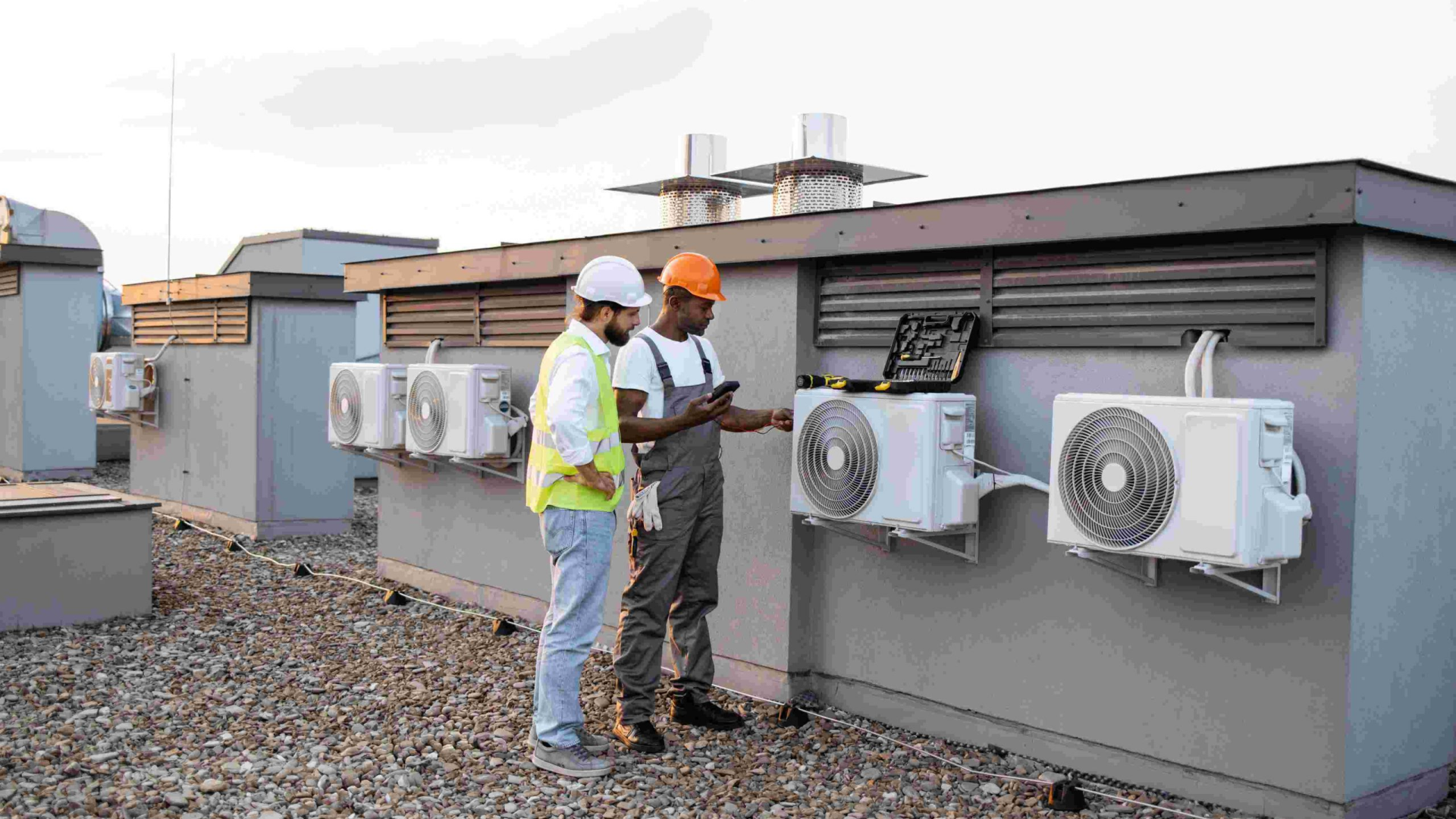
As temperatures begin to rise, commercial HVAC systems face one of their busiest times of the year. Offices, restaurants, retail stores, and commercial facilities depend on reliable cooling to keep employees comfortable, maintain a positive customer experience, and support daily operations.
Waiting until the hottest days of the summer to address HVAC concerns can lead to unexpected disruptions and uncomfortable indoor conditions. Preparing your commercial HVAC system before peak cooling season gives your equipment the opportunity to operate more efficiently and helps identify potential problems before demand increases.
For business owners and property managers, a proactive approach can make a significant difference when summer temperatures arrive.
Why Early HVAC Preparation Matters
Commercial HVAC systems often operate for long hours during the cooling season. As outdoor temperatures rise, equipment works harder to maintain comfortable indoor conditions. Understanding how weather conditions affect commercial HVAC performance can help managers better anticipate seasonal challenges.
If the system already has performance issues, extreme heat can make those problems more noticeable. Understanding what happens when you skip preventive HVAC maintenance shows why early action is critical for avoiding costly downtime.
Preparing before peak cooling season can help:
Support reliable system operation
Improve indoor comfort
Identify developing concerns early
Reduce the risk of unexpected disruptions during periods of heavy demand
Taking action before the hottest weather arrives gives businesses more time to address issues without the added pressure of extreme temperatures.
Schedule Preventive Maintenance Before Summer
One of the most important steps in preparing a commercial HVAC system is scheduling preventive maintenance.
Routine maintenance helps ensure the system is ready for increased cooling demands and allows HVAC professionals to identify concerns before they become larger problems. If you're wondering about timing, learning how often should commercial HVAC systems be serviced provides useful guidelines for maintaining performance.
Preventive maintenance can help:
Support efficient operation
Identify worn components
Improve overall system performance
Prepare equipment for seasonal workload increases
Commercial HVAC systems experience significant demands during the summer, making routine care an important part of protecting equipment. Discovering why preventive HVAC maintenance saves businesses thousands underscores how minor adjustments can save money over time.
Evaluate Overall System Performance
Before peak cooling season begins, it is helpful to assess how the HVAC system performed during previous warm weather periods.
Consider questions such as:
Were there uneven temperatures throughout the building?
Did employees or customers complain about comfort?
Did the system run continuously during hot weather?
Were utility bills noticeably higher than expected?
Were repairs needed during the previous cooling season?
Reviewing past performance can help identify areas that may need attention before temperatures rise again. Recognizing common reasons commercial AC systems stop cooling properly can guide your performance assessment.
Address Hot and Cold Spots Early
Uneven temperatures are a common issue in commercial buildings. Understanding why your commercial building has hot and cold spots can help you pinpoint airflow or duct issues before heat sets in.
If some rooms consistently feel warmer than others, peak cooling season can make those differences even more noticeable.
Common examples include:
Conference rooms becoming too warm during meetings
Offices near windows overheating in the afternoon
Customer areas feeling less comfortable during busy periods
Certain rooms receiving less cooling than others
Addressing these concerns before summer can help improve comfort throughout the building. Property managers following key preventive HVAC maintenance tips for property managers can easily resolve temperature imbalances across zones.
Consider Building Occupancy Patterns
Cooling demands often change based on how the building is used. Understanding how building occupancy affects commercial HVAC performance helps explain why high-traffic areas heat up quickly.
Businesses should consider:
Employee occupancy levels
Customer traffic patterns
Seasonal increases in business activity
Conference room usage
Changes in operating hours
More people inside a building generate additional heat, increasing the workload on the HVAC system. Understanding occupancy patterns can help business owners better prepare for seasonal cooling demands.
Evaluate Temperature Control Concerns
If employees frequently adjust thermostats or complain about inconsistent temperatures, it may be worthwhile to evaluate overall temperature control before peak cooling season begins. Reviewing common thermostat problems in commercial HVAC systems can help you identify whether control issues exist.
Signs that should not be ignored include:
Frequent thermostat changes
Uneven cooling
Rooms that never reach the desired temperature
HVAC equipment running longer than normal
Addressing these concerns early may help reduce comfort issues during the hottest months of the year. Installing smart HVAC controls helps reduce commercial operating costs while giving management better control over settings.
Monitor Energy Usage Trends
Reviewing utility bills from previous summers can provide valuable insight into HVAC performance. Learning how dirty HVAC filters affect commercial energy bills demonstrates how simple oversights lead to high costs.
Rising energy costs may indicate that the system worked harder than expected during the previous cooling season. Implementing practical commercial HVAC energy efficiency tips for office buildings can keep operational expenses down.
While many factors influence utility expenses, reviewing historical energy usage can help businesses identify patterns that may warrant a professional HVAC evaluation. Discovering how to reduce commercial cooling costs during summer is a great starting point for lowering seasonal bills.
Restaurants and Commercial Refrigeration Businesses Have Additional Cooling Demands
Restaurants and businesses that rely on commercial refrigeration often face unique challenges during the summer. Knowing how commercial refrigeration impacts restaurant operations highlights why synchronized cooling management is vital.
Commercial kitchens, refrigeration equipment, and increased customer traffic generate additional heat inside the building. Understanding common commercial refrigeration problems restaurants face ensures food safety and equipment reliability stay intact during peak demand.
During peak operating hours, the HVAC system may experience significantly higher cooling demands. Preparing both HVAC and commercial refrigeration equipment before summer helps support smoother operations during busy periods. Following best practices for maintaining walk-in coolers and freezers keeps kitchen gear working alongside primary cooling systems.
Inspect the Building for Comfort Concerns
Business owners and property managers can also look for areas where cooling problems typically occur.
Pay attention to:
Warm offices
Hot conference rooms
Customer complaints about indoor temperatures
Areas with significant afternoon sunlight
Spaces with frequent occupancy changes
Identifying these problem areas before summer allows concerns to be addressed proactively. Strategic commercial HVAC upgrades that improve employee comfort can solve persistent hot spots for good.
Plan Ahead Instead of Waiting for a Breakdown
One of the biggest mistakes businesses make is waiting until the HVAC system stops working during extreme heat.
Peak cooling season often places the highest demand on commercial HVAC equipment. Preparing in advance allows businesses to address concerns before the system is operating at maximum capacity.
Planning ahead can help:
Reduce unexpected interruptions
Improve comfort during hot weather
Support reliable HVAC performance
Minimize disruptions to business operations
A proactive approach often provides more flexibility than needing emergency commercial HVAC repairs during the hottest days of the year.
Preventive Maintenance Programs Support Long Term Performance
Ongoing maintenance is not only beneficial before summer but throughout the life of the HVAC system. Enrolling in established preventive maintenance programs secures regular tune-ups and priority service.
Routine maintenance programs help businesses:
Monitor equipment performance
Identify concerns early
Prepare for changing weather conditions
Support reliable year round operation
Regular care is an important part of protecting investments and discovering how preventive maintenance extends commercial HVAC lifespan over time.
Signs Your HVAC System May Need Attention Before Summer
Business owners should consider scheduling service if they notice:
Uneven temperatures throughout the building
Rising utility costs
Frequent repair needs
HVAC equipment running continuously
Reduced cooling performance
Employee or customer comfort complaints
Spotting 7 signs your commercial HVAC system needs immediate repair ensures minor defects don't escalate into full breakdowns. Knowing why your commercial HVAC system keeps short cycling helps catch hidden mechanical issues early.
Working With Experienced Commercial HVAC Professionals
Every commercial building has different cooling requirements. Building size, occupancy, operating hours, equipment usage, and business activities all influence HVAC performance.
Learning how to choose the right commercial HVAC contractor for your business ensures you work with qualified experts. Experienced professionals from Elite Quality HVAC can evaluate your system and recommend custom solutions. Understanding why businesses need routine HVAC inspections provides peace of mind throughout summer.
Whether preparing an office building, restaurant, retail store, or another commercial facility for summer, professional guidance helps ensure the HVAC system is ready for increased seasonal demand.
Preparing for a Successful Cooling Season
Peak cooling season places significant demands on commercial HVAC systems. Preparing early gives business owners and property managers an opportunity to identify concerns, improve system performance, and support reliable indoor comfort before extreme temperatures arrive.
By investing in preventive maintenance, paying attention to comfort issues, evaluating past performance, and addressing concerns proactively, businesses can better prepare their HVAC systems for the demands of summer while supporting employees, customers, and daily operations throughout the season. To schedule your pre-season inspection, contact our experienced technicians today.