What to Expect During a Commercial HVAC System Inspection
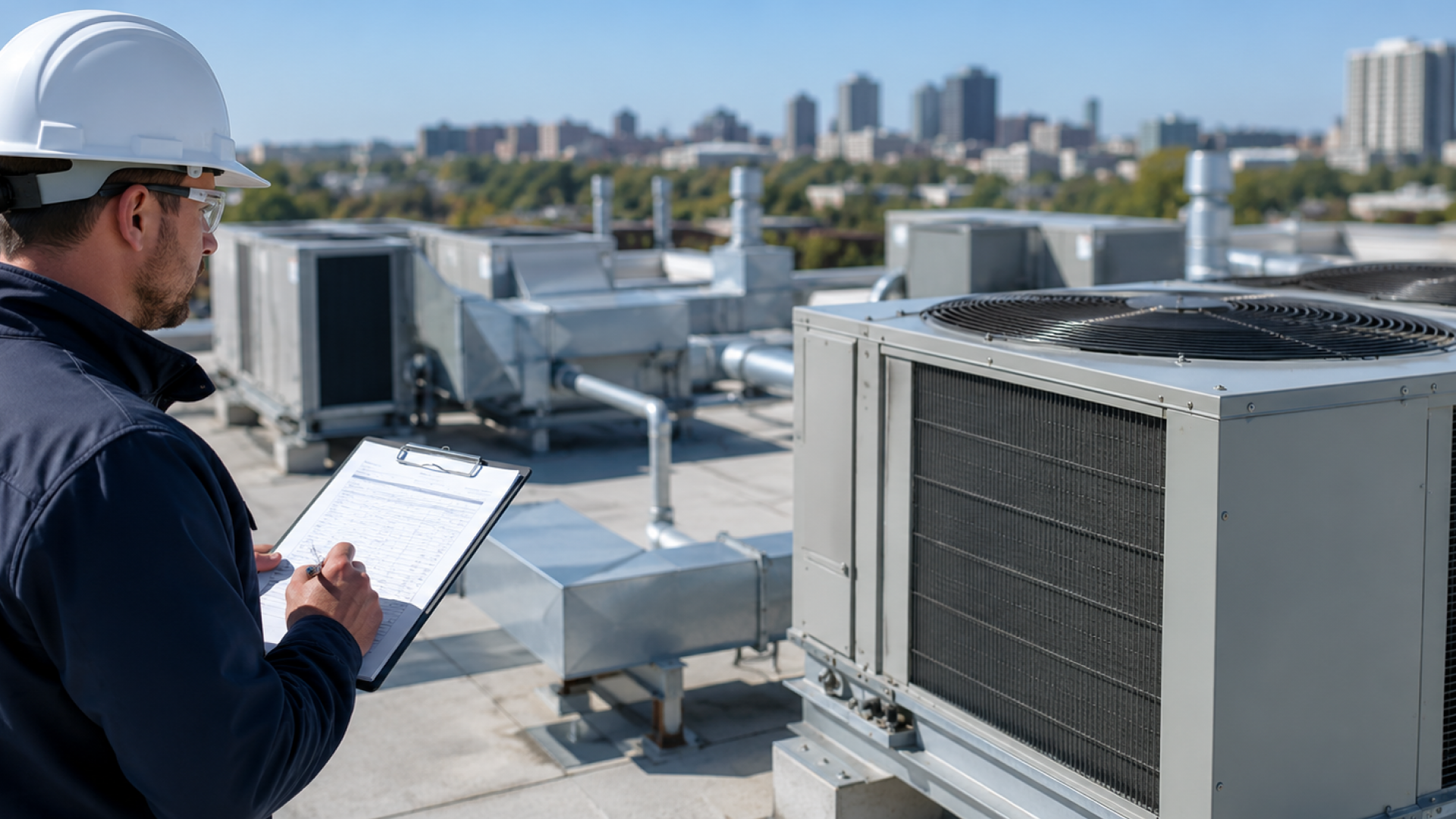
A commercial HVAC system is one of the most important systems in any business. It helps maintain comfortable indoor temperatures for employees and customers while supporting daily operations throughout the year. Like any equipment that operates regularly, commercial HVAC systems benefit from routine inspections to help identify potential issues before they become costly problems.
Whether you own an office building, manage a retail property, operate a restaurant, or oversee another commercial facility, knowing what happens during a commercial HVAC system inspection can help you better prepare and understand its value.
Why Commercial HVAC Inspections Matter
Commercial HVAC systems often operate for many hours each day. Over time, normal wear and seasonal changes can affect system performance. Discovering why businesses need routine HVAC inspections highlights how regular professional evaluations protect critical building assets.
Routine inspections allow HVAC professionals to evaluate the condition of the equipment, identify developing concerns, and help ensure the system is prepared for upcoming heating or cooling demands.
Regular inspections can help support:
Consistent indoor comfort
Reliable HVAC performance
Efficient system operation
Early identification of potential concerns
For many businesses, learning how often should commercial HVAC systems be serviced helps establish a reliable schedule for maintaining dependable heating and cooling throughout the year.
Reviewing the Overall Condition of the HVAC System
A commercial HVAC inspection typically begins with an overall evaluation of the system.
HVAC professionals assess the visible condition of the equipment and look for signs of normal wear that may affect performance. Spotting warning signs your rooftop HVAC unit needs repair early can prevent minor physical wear from turning into major failures.
This general review helps establish how the system is operating and whether additional attention may be needed.
Evaluating Heating and Cooling Performance
One of the primary goals of an inspection is determining whether the HVAC system is performing as expected.
The inspection may include evaluating:
Overall heating performance
Overall cooling performance
Temperature consistency throughout the building
General system operation
Understanding common reasons commercial AC systems stop cooling properly helps technicians isolate performance drops during their evaluation. If business owners have noticed uneven temperatures or comfort complaints, these concerns can often be discussed during the inspection.
Checking Airflow Throughout the Building
Proper airflow plays an important role in maintaining comfortable indoor conditions.
During an inspection, HVAC professionals may evaluate how air is moving through different areas of the building. For larger facilities, learning how to improve HVAC performance in large commercial spaces can help address airflow bottlenecks across different zones.
Poor airflow can contribute to:
Hot and cold spots
Uneven temperatures
Reduced indoor comfort
Longer HVAC operating cycles
Identifying airflow concerns early can help support more consistent HVAC performance across all working spaces.
Reviewing Thermostat Operation
The thermostat serves as the control center for the HVAC system.
An inspection often includes confirming that temperature controls are responding properly and supporting consistent operation throughout the building. Reviewing common thermostat problems in commercial HVAC systems can help pinpoint whether improper cycling stems from control errors.
If employees have reported frequent temperature changes or constant thermostat adjustments, those concerns may also be reviewed during the inspection. In many modern buildings, upgrading to smart HVAC controls helps reduce commercial operating costs while giving management far better control over temperature zones.
Discussing Building Comfort Concerns
Every commercial property operates differently.
Business owners and property managers often have valuable insight into how the HVAC system performs during normal operations. Understanding why your commercial building has hot and cold spots helps connect staff observations with underlying ductwork or airflow issues.
During the inspection, common topics may include:
Areas that feel too warm
Rooms that stay cooler than others
Seasonal comfort challenges
Employee or customer temperature complaints
Changes in HVAC performance over time
Sharing these observations helps provide a more complete picture of the system's performance. Strategic commercial HVAC upgrades that improve employee comfort can then be implemented based on these insights.
Considering Building Occupancy
Occupancy levels influence how hard commercial HVAC systems work.
Office buildings, restaurants, retail stores, and other commercial properties experience different levels of activity throughout the day. Understanding how building occupancy affects commercial HVAC performance explains why high-occupancy zones demand more cooling power.
If occupancy patterns have changed since the system was installed, this information may help explain certain comfort concerns or performance changes observed during the inspection. In some cases, reviewing why HVAC system sizing matters for commercial buildings can reveal whether current capacity matches your workforce density.
Evaluating Seasonal Performance
Commercial HVAC systems operate differently depending on the season.
A system inspected before summer may be evaluated with cooling performance in mind, while inspections before winter often focus on heating readiness. Understanding how weather conditions affect commercial HVAC performance demonstrates why seasonal checks are crucial.
Preparing before peak heating or cooling seasons helps businesses reduce the likelihood of unexpected performance issues when extreme weather hits.
Reviewing Preventive Maintenance Needs
Routine inspections often go hand in hand with preventive maintenance. Enrolling in established preventive maintenance programs ensures your facility receives scheduled tune-ups year-round.
If maintenance has not been performed recently, the inspection may identify areas where routine service would help support continued HVAC performance. Understanding what happens when you skip preventive HVAC maintenance underscores the risks of neglecting these routine checks.
Preventive maintenance can help:
Support efficient system operation
Identify developing concerns
Prepare equipment for seasonal demands
Promote reliable long-term performance
Discovering how preventive maintenance extends commercial HVAC lifespan shows how small investments today delay full system replacements in the future.
Commercial Refrigeration Businesses May Require Additional Attention
Restaurants and businesses that rely on commercial refrigeration equipment often place greater demands on indoor climate control.
Commercial kitchens, refrigeration equipment, and increased occupancy during busy periods all contribute additional heat inside the building. Knowing how commercial refrigeration impacts restaurant operations highlights why integrated HVAC and cooling management is vital.
For these businesses, HVAC performance plays an important role in maintaining comfortable working conditions throughout the facility. Following best practices for maintaining walk-in coolers and freezers ensures all refrigeration gear functions smoothly alongside main HVAC systems.
Questions Business Owners Can Ask During An Inspection
A commercial HVAC inspection is also an opportunity to ask questions about system performance.
Business owners may want to discuss:
Current system performance
Comfort concerns throughout the building
Seasonal preparation
Preventive maintenance recommendations
Signs that future service may be needed
Open communication helps business owners better understand how their HVAC system is performing. If an older unit shows major wear, asking about what is the average lifespan of a commercial HVAC system helps property managers budget for future replacements.
Signs Your Building May Need an HVAC Inspection
Some businesses schedule inspections as part of routine maintenance, while others request service after noticing performance concerns.
Common signs include:
Uneven temperatures
Frequent thermostat adjustments
Rising utility bills
Reduced heating or cooling performance
HVAC equipment running longer than expected
Employee or customer comfort complaints
Spotting 7 signs your commercial HVAC system needs immediate repair ensures you schedule service before minor faults turn into costly emergency shutdowns.
Working With Experienced Commercial HVAC Professionals
Every commercial building has unique heating and cooling requirements. Building size, occupancy patterns, daily operations, and seasonal weather all influence HVAC performance.
Learning how to choose the right commercial HVAC contractor for your business ensures you partner with certified technicians. Experienced professionals from Elite Quality HVAC can evaluate system operation, identify potential concerns, and recommend appropriate fixes. Whether you need routine tune-ups or emergency commercial HVAC repairs, expert guidance helps maintain building comfort.
Supporting Reliable HVAC Performance Year Round
Routine commercial HVAC inspections are an important part of keeping heating and cooling systems operating effectively. They provide an opportunity to evaluate system performance, discuss building comfort concerns, and prepare equipment for changing seasonal demands.
By combining regular inspections with key preventive HVAC maintenance tips for property managers, business owners can support reliable indoor comfort and efficient operation throughout the year. If you are ready to evaluate your building's system, contact our experienced team today to schedule an inspection.